Crypto Arbitrage Trading Guide 2026: Cross-Exchange Opportunities and Risks

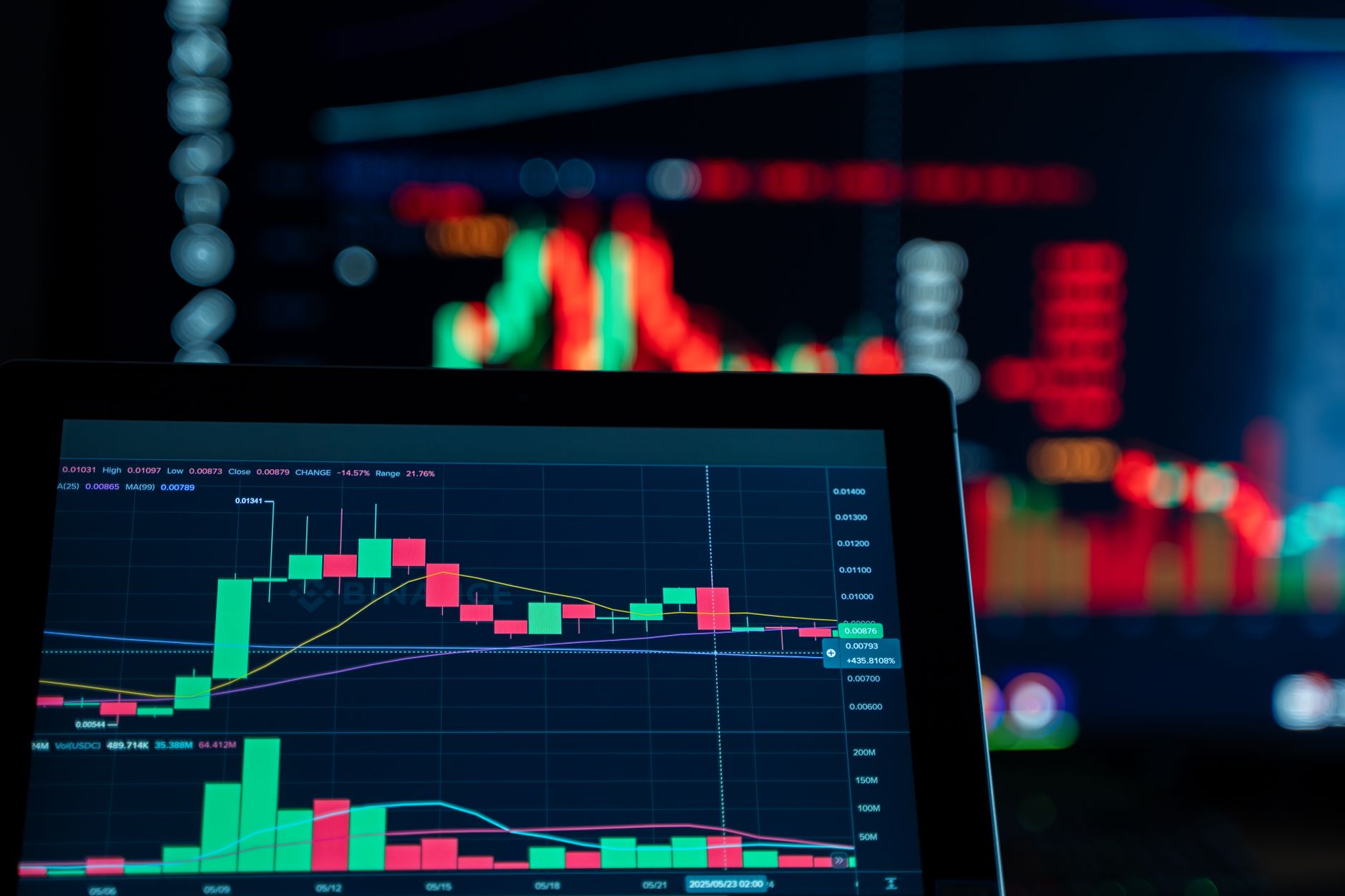
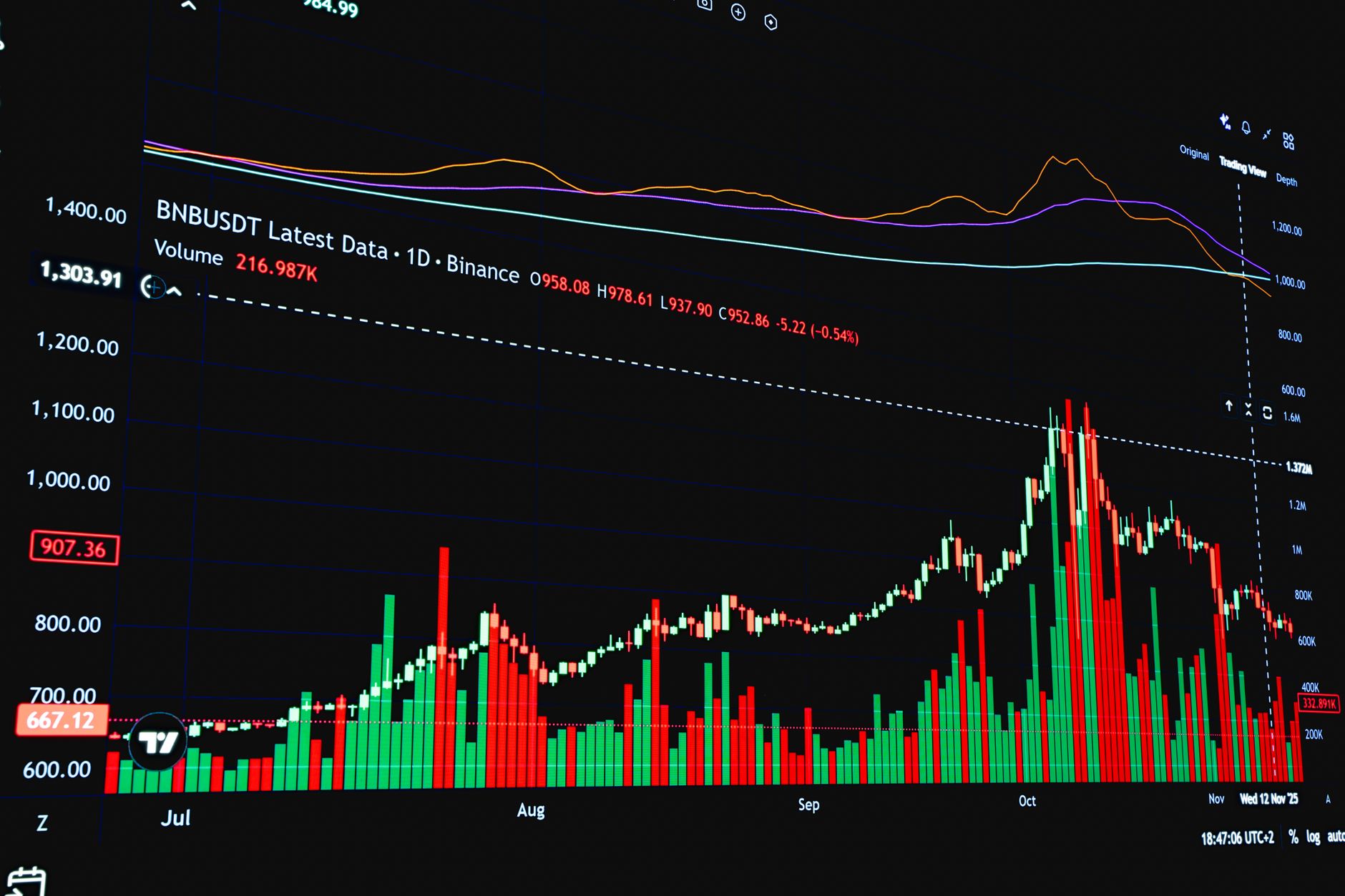
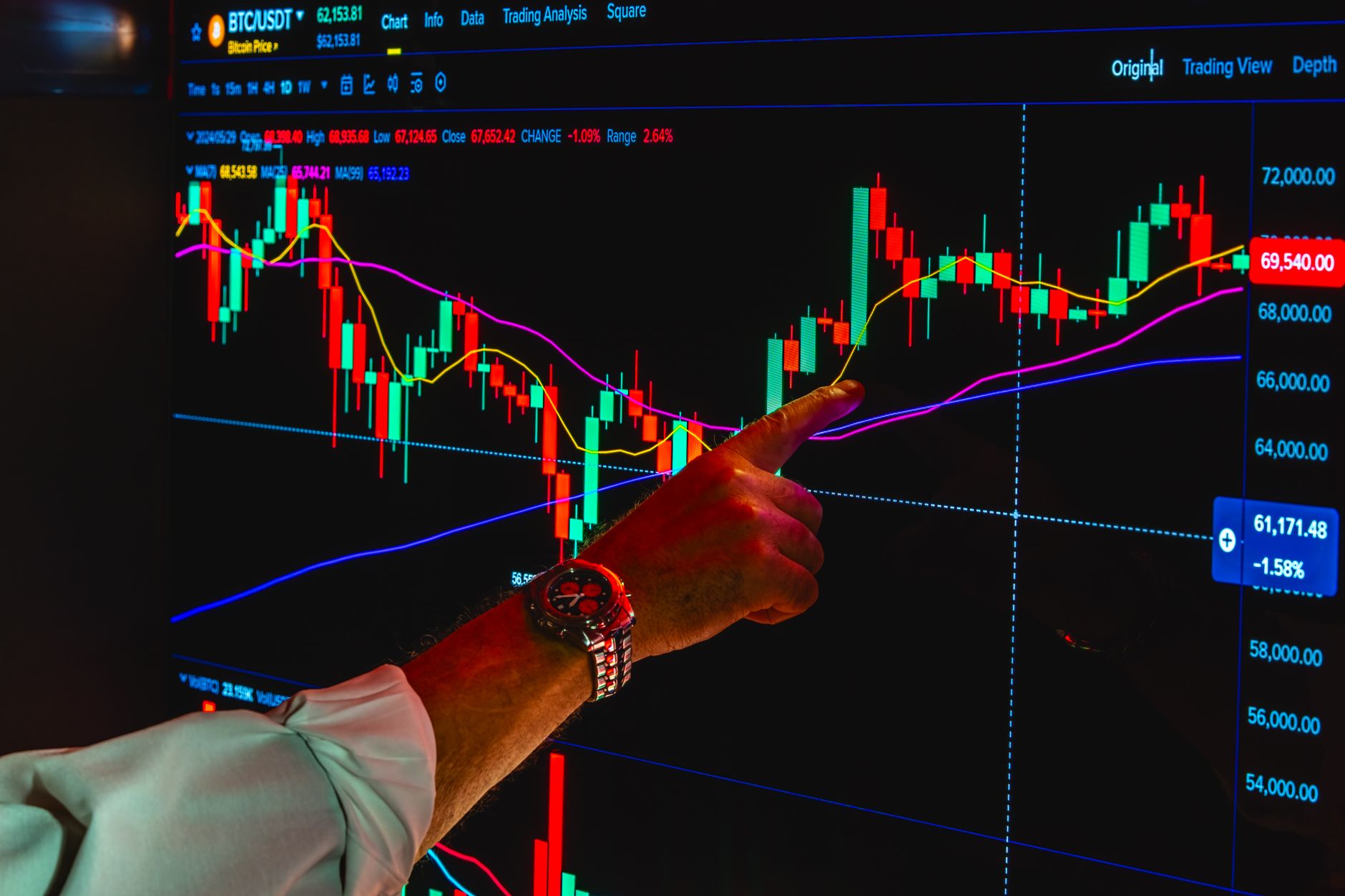
TL;DR: Crypto arbitrage is profiting from price differences for the same asset across markets. The main types in 2026: spatial arbitrage (buy on a cheap exchange, sell on a dear one), triangular arbitrage (cycling BTC→ETH→USDT→BTC within one venue), and funding-rate arbitrage / basis trading (collecting the funding fee in perpetual futures against a spot hedge). It sounds like free money, but the edge is thinner than beginners think. Dedicated bots have squeezed spatial and triangular spreads down to fractions of a percent — and trading fees eat them faster than the spread if you’re not on a low-fee or maker-only exchange. In 2026 the realistic, accessible plays are: (1) funding-rate arbitrage for patient capital in perps markets, and (2) slow/event-driven spatial arbitrage across venues with meaningful price divergences (new listings, exchange outages, airdrop tokens). Before you start: calculate fees and breakeven precisely, factor in transfer/settlement latency and withdrawal limits, always move only the amount you’re happy to lose transiently, and never treat a buggy bot you wrote yourself as trustworthy with your whole stack. ...

August 8, 2026 · 10 min · Jarrod Gravison

Crypto Portfolio Tracker Apps 2026: Best Tools to Track Your Holdings

TL;DR: The best crypto portfolio tracker in 2026 depends on your needs: CoinGecko is the best free all-rounder with live prices, portfolio tracking, and no account required for basic use; CoinMarketCap offers a slick, beginner-friendly app with a robust watchlist and portfolio tool; Delta is the premium choice for serious multi-exchange investors who want granular cost-basis tracking and syncing; CoinTracker is the best pick if tax season matters more than daily tracking, with seamless exchange imports and gain/loss reporting; and Koinly is the strongest dedicated crypto-tax tool if reporting is your top priority. A rule that applies across the board: always track the actual quantity of each coin at each cost basis, not just total portfolio value — that data is what keeps your tax filing accurate and your strategy honest. ...

August 8, 2026 · 8 min · Jarrod Gravison

How to Set Stop-Loss and Take-Profit Orders in Crypto Trading

TL;DR: A stop-loss order automatically sells your position when price falls to a level you set, capping your downside. A take-profit order locks in gains by selling when price reaches your target. In crypto, the two most common are stop-limit (set a trigger price and a limit price to prevent slippage) and trailing stop (a stop that follows the price up and locks in profit if it reverses). The golden rules: never trade without a stop-loss on volatile leverage, size your position so a stop-loss hit costs at most 1–2% of your account, place stops below meaningful support (not round numbers), and account for crypto’s volatility — tight 1% stops on Bitcoin will get wicked out by normal noise. Set your stops on the exchange where you trade (not a mental note), and avoid “no stop-loss” habits even on positions you intend to hold long-term. ...

August 8, 2026 · 10 min · Jarrod Gravison

How to Spot a Crypto Scam: Rug Pulls, Honeypots, and Phishing in 2026

TL;DR: The crypto scams that drain wallets in 2026 fall into a few recognizable patterns you can learn to spot in seconds. Rug pulls — developers pulling liquidity out of a token and vanishing — are the classic “new coin” trap; red flags are anonymous teams, no audit, low liquidity, and hype-driven pumps. Honeypots let you buy a token but not sell it (the sell function is coded to fail/steal), so sudden “easy profits” with no way to exit should alarm you. Phishing — fake websites, emails, and DMs stealing your seed phrase or getting you to “approve” a malicious contract — is the biggest overall threat in 2026. The universal defenses: never share your seed phrase or private keys with anyone or any site, verify every URL and contract address against the project’s official source, treat unsolicited DMs promising free coins or “support” as scams, check liquidity and holder distribution before buying any new token, and consider a hardware wallet, app-based 2FA, and a wallet with revoke/approval management to cap what a malicious dapp can spend. ...

August 8, 2026 · 10 min · Jarrod Gravison

What Are Crypto Airdrops? How to Find and Claim Free Tokens Safely

TL;DR: A crypto airdrop is a free distribution of new tokens to wallet addresses that meet certain criteria — usually to reward early users, bootstrap a network, or build community. Legitimate airdrops of 2026 reward on-chain activity: trading on a new protocol, providing liquidity, testing a testnet, or holding a related token. You find them by tracking official project Twitter/X accounts, blogs, and airdrop aggregator sites — and crucially, you never pay to claim and your wallet seed phrase is never required. The #1 danger is the flood of fake “claim” sites that drain wallets via malicious approvals. The safe path is: qualify through real usage, wait for official announcements, and interact only through verified domains listed on the project’s official site. ...

August 8, 2026 · 9 min · Jarrod Gravison
A yield dashboard showing lending rates, collateral, and interest accrual across chains.

Crypto Lending Platforms 2026: Earn Yield on Your Holdings

Quick Answer: The best crypto lending platforms in 2026 for earning yield are Aave (largest, most battle-tested DeFi lender), Compound (a close #2 for blue-chip yield), Ledn (decentralized, backed by the lender of last resort), and Coinbase/YouHodler for the easiest centralized experience. Stablecoin yields are the sweet spot right now — you can earn 4–10% on USDC/USDT with far less volatility risk than lending volatile coins. The century-old lesson still applies: higher yield = higher risk, and the 2022 failures (Celsius, BlockFi, Voyager) are a permanent warning that centralized lending carried opaque risk. Diversify never your whole yield stack into one platform. See our staking platforms guide if you prefer to earn without lending your coins out. This is not financial advice. Crypto lending carries real counterparty, smart-contract, and default risk. Only lend what you can afford to lock up. — ...

August 6, 2026 · 7 min · Jarrod Gravison
Live candlestick chart and trading terminal with indicators during a market session.

How to Day Trade Crypto: Complete 2026 Strategy Guide

Quick Answer: Day trading crypto in 2026 is brutally selective. The traders who survive use three core strategies — range trading (buy support, sell resistance), momentum/breakout trading (ride confirmed moves), and scalping off order-flow — each with a hard rule: never risk more than 1% of your account on a single trade, and always use a stop-loss. You’ll need a low-fee exchange (Binance, Bybit, or OKX at ~0.1% or less), a solid charting platform (TradingView), and a discipline that most people lack. Be brutally honest: the majority of day traders lose money. This guide teaches the professional structure, not the fantasy. Read the beginners’ trading guide first if you haven’t traded spot yet. ...

August 6, 2026 · 9 min · Jarrod Gravison
A shield and lock icon over a decentralized exchange trading interface.

Best No-KYC Crypto Exchanges 2026: Trade Private, Stay Legal

Quick Answer: True “no-KYC” crypto trading in 2026 is mostly a decentralized game. The best options are decentralized exchanges (DEXes) like Uniswap, Jupiter, and dYdX — no account, no ID, instant withdrawal of your own funds. A few centralized exchanges still offer partial no-KYC tiers (KuCoin, MEXC, Bitget) up to daily limits, but their free tiers are shrinking under regulatory pressure. For cash-to-crypto privacy, peer-to-peer (P2P) platforms (Bisq, Hodl Hodl) are the safest. The honest truth: full privacy and full convenience rarely coexist — pick based on whether you value anonymity or ease of use more. ...

August 6, 2026 · 9 min · Jarrod Gravison
A grid of altcoin logos and price charts on a trading screen.

Best Crypto Exchanges for Altcoins 2026: Deep Selection, Low Fees

Quick Answer: The best altcoin exchanges in 2026 are KuCoin (700+ listed tokens, the widest selection), Bybit (fastest new listings and meme-coin exposure), and Binance (deep liquidity for serious volume on 350+ coins). For European and US-regulated options, Kraken and Coinbase list a smaller but higher-quality curated set of 200–240 coins with better compliance. Match the platform to your strategy — if you chase new launches and small caps, KuCoin and Bybit win; if you need tight spreads on established alts with low risk, Binance, Kraken, or Coinbase are the safer calls. This is not financial advice. Altcoins are volatile, many are outright scams, and most “new listings” pump then dump. This guide is about the mechanics — where to get the coins — not what to buy. — ...

August 6, 2026 · 9 min · Jarrod Gravison
Comparison of crypto coins and stock market charts.

Crypto vs Stocks 2026: Volatility, Hours, Regulation, Returns

Quick Answer: Crypto and stocks differ in four big ways: volatility (crypto swings far more), trading hours (crypto is 24/7, stocks are exchange-hours), regulation (stocks are heavily regulated, crypto partially), and returns (crypto has had higher upside and deeper drawdowns historically). Neither is “better” — they serve different roles. Many investors hold both: stocks for stability and crypto as a small, higher-risk allocation. Crypto and stock markets are fundamentally different animals. Understanding those differences helps you decide how (and whether) to allocate. This is a comparison guide, not financial advice. ...

August 5, 2026 · 10 min · Jarrod Gravison
Colorful meme coin tokens with a warning sign on a trading screen.

Meme Coins Guide 2026: DOGE, PEPE, WIF, BONK

Quick Answer: Meme coins like DOGE, PEPE, WIF, and BONK are highly speculative tokens driven by hype and community sentiment rather than fundamentals. They can surge massively — and crash just as fast. If you trade them, use only a small amount you can afford to lose entirely, buy on reputable exchanges, and have an exit plan. Never invest real savings in meme coins, and treat any anonymous project promising guaranteed returns as a likely scam. Meme coins are the purest form of speculative crypto. Born from internet jokes, they often have no utility, no product, and no revenue — only a community and momentum. That makes them enormously volatile and, for a minority, extraordinarily profitable. This guide tells you what they are, how to approach them, and (most importantly) the risks. This is not financial advice. Meme coins are extreme-risk assets. — ...

August 5, 2026 · 10 min · Jarrod Gravison
Leveraged futures trading terminal with risk warnings.

Crypto Futures Trading 2026: Perpetuals, Funding, Leverage

Quick Answer: Crypto futures — especially perpetual swaps on exchanges like Bybit, Binance, and OKX — let you trade with leverage and bet on price going up OR down. Key concepts: perpetual swaps (no expiry), funding rates (periodic payments between longs/shorts), leverage/margin (borrowed position size), and liquidation (position force-closed when losses exceed margin). Most retail futures traders lose money — trade only small, well-risked amounts, or avoid leverage entirely. Futures trading is the riskiest corner of crypto. It’s where beginners get destroyed by liquidation. This guide breaks down exactly how it works so you understand the machinery before you consider risking a dollar. This is informational, not financial advice. ...

August 5, 2026 · 10 min · Jarrod Gravison
Staking yield growth charts with crypto coins.

Best Crypto Staking Platforms 2026: APY Comparison

Quick Answer: The best crypto staking platforms of 2026 are Lido (best liquid staking for ETH with the widely-used stETH token), Rocket Pool (best decentralized/trust-minimized ETH staking with rETH), and exchange staking on Coinbase, Kraken, or Binance (easiest for beginners). Expected ETH staking yields are roughly 3–5% APY in 2026, though this varies. The right choice balances yield, liquidity, and trust. Staking lets you earn rewards by locking up proof-of-stake coins to help secure a network. There are three main routes: exchange staking (easiest but custodial), liquid staking (Lido/Rocket Pool, flexible and DeFi-friendly), and solo staking (max control but needs 32 ETH + technical setup). This guide compares the top options. Not financial advice — staking yields are variable and the underlying coin price is volatile. — ...

August 5, 2026 · 10 min · Jarrod Gravison
Canadian tax filing documents with crypto coins and maple leaf.

Crypto Taxes in Canada 2026: Complete CRA Guide

Canadian crypto taxes differ from the US in important ways: Canada uses the ACB (average cost) method, not FIFO/spec-ID, and slashes the taxable portion of gains if they count as capital vs. business income. This is a general guide, not professional tax advice — consult a CPA. — Quick Answer In Canada, the CRA treats crypto as a commodity and taxes it. Selling or trading crypto generally triggers a capital gain (50% taxable in 2026) or a business income gain (100% taxable) depending on your activity. You must track your Adjusted Cost Base (ACB) — and margin positions complicate this — then report on your T1 return. Koinly and CoinTracker are the top tools for Canadians, with Koinly offering strong ACB support. ...

August 5, 2026 · 9 min · Jarrod Gravison
Tax documents and cryptocurrency coins with a calculator.

Crypto Taxes in the USA 2026: Complete IRS Guide

Quick Answer: In the US, the IRS treats crypto as property, not currency. You owe capital gains tax whenever you sell, spend, or trade crypto for another asset (including crypto-to-crypto). Report on Form 8949/Schedule D. Use specific identification (spec-ID) or FIFO cost-basis to calculate gains, and tax software like CoinTracker or Koinly to automate it. Short-term (<1 year) gains are taxed at ordinary rates; long-term (≥1 year) at lower capital gains rates. US crypto taxes are complicated because nearly every crypto transaction is a taxable event — even buying one coin with another. Getting it right requires tracking cost basis carefully. This is a general guide, not professional tax advice; consult a CPA for your situation. — ...

August 5, 2026 · 12 min · Jarrod Gravison
Hardware wallet device with seed phrase card and crypto coins.

Best Crypto Wallets 2026: Hardware vs Software

Quick Answer: The best crypto wallets in 2026 are Ledger and Trezor for hardware (cold storage of long-term holdings) and MetaMask (Ethereum/EVMs), Phantom (Solana), and Trust Wallet (multi-chain mobile) for software. Best practice: use a hardware wallet for savings and a software wallet for active trading — never keep large amounts on an exchange or hot wallet. Your crypto wallet doesn’t “hold” coins — it holds your private keys (which prove ownership). Whoever controls the keys controls the crypto. “Not your keys, not your coins” is the core principle of self-custody. This guide explains the two wallet types, compares the best options, and walks through secure setup, backups, and a security checklist. This is informational, not financial advice. Wallet choices carry a security trade-off between convenience and safety. — ...

August 5, 2026 · 9 min · Jarrod Gravison
Multiple trading strategy charts and indicators on a screen.

Crypto Trading Strategies 2026: DCA, Swing, Grid, and Arbitrage

Quick Answer: The four most practical crypto strategies in 2026 are dollar-cost averaging (DCA) (best for long-term accumulation with low effort), swing trading (best for capturing multi-day-to-week trends), grid trading (best for bots in ranging markets), and arbitrage (best for advanced users exploiting price gaps across exchanges). DCA suits most people; the others demand more time, skill, and risk tolerance. There’s no single “best” crypto strategy — it depends on your time, skill, risk tolerance, and goals. This guide lays out four proven approaches, how each works, who it’s for, and the real risks. None of this is financial advice. ...

August 5, 2026 · 9 min · Jarrod Gravison
Candlestick chart on a trading terminal screen.

How to Trade Crypto for Beginners: 2026 Step-by-Step

Quick Answer: Beginner crypto trading in 2026 starts with spot trading (buying and selling actual coins — not leverage). Master three things first: (1) the difference between market and limit orders; (2) a few basic chart patterns and indicators; and (3) strict risk management (never risk more than 1–2% per trade, use stop-losses, don’t over-leverage). Skip futures and leverage until you’re consistently profitable on spot. This is not financial advice. Trading crypto is high risk — most day traders lose money, especially with leverage. If you’re new, treat this as “how the tools work,” not “how to get rich.” Read it, paper-trade, and start small. — ...

August 5, 2026 · 10 min · Jarrod Gravison
Solana ecosystem visualization with fast network speed concept.

How to Buy Solana in 2026: Complete Guide

Quick Answer: To buy Solana (SOL) in 2026: (1) use a regulated exchange that lists SOL (Coinbase/Kraken for the US, Newton/NDAX for Canada, Binance/Bybit globally); (2) fund with a bank transfer; (3) buy SOL; (4) set up the Phantom wallet to store and interact with Solana’s DeFi ecosystem; and (5) optionally stake SOL for yield. Solana is a high-speed, low-fee blockchain — one of the cheapest networks to transact on. Solana (ticker SOL) is one of the fastest major blockchains, capable of thousands of transactions per second at minimal cost. Its low fees and speed have made it a hub for DeFi, NFTs, and meme coins. Buying SOL is easy — it’s listed on virtually every major exchange — and so is using it, thanks to the excellent Phantom wallet. This complete guide covers buying, wallets, staking, and the Solana ecosystem, with step-by-step instructions you can follow from scratch. — ...

August 5, 2026 · 8 min · Jarrod Gravison
Ethereum themed crypto coins and code on a dark background.

How to Buy Ethereum in 2026: Complete Guide

Quick Answer: To buy Ethereum (ETH) in 2026: (1) open an account on a regulated exchange for your country (Coinbase/Kraken for the US, Wealthsimple/Newton for Canada); (2) pass KYC and fund with a bank transfer; (3) buy ETH as a market or limit order; (4) consider staking to earn yield on your ETH; and (5) move long-term holdings to a self-custody wallet. Ethereum is the second-largest cryptocurrency and the foundation of DeFi and most stablecoins. Ethereum is more than a cryptocurrency — it’s a global, programmable blockchain where developers build apps (dApps), smart contracts, and the majority of DeFi. Buying ETH is similar to buying Bitcoin, but there are a few Ethereum-specific considerations: gas fees, Layer-2 networks, staking, and how the asset behaves after you own it. This guide walks you through everything you need to know, from the exchange on-ramp to staking, L2s, gas mechanics, and security. — ...

August 5, 2026 · 9 min · Jarrod Gravison
Bitcoin coin next to a hardware wallet on a dark surface.

How to Buy Bitcoin in 2026: Complete Beginner Guide

Quick Answer: Buying Bitcoin in 2026 takes five steps: (1) pick a reputable, jurisdiction-appropriate exchange (e.g. Coinbase/Kraken for the US, Wealthsimple/Newton for Canada); (2) create an account and complete KYC identity verification; (3) fund it with a bank transfer or card; (4) place a buy order for BTC; and (5) move significant holdings to a self-custody wallet. Bitcoin is volatile, so only invest money you can afford to lose. Buying your first Bitcoin is easier than most people expect, but doing it safely requires understanding a few fundamentals: which exchange to use, how KYC works, and — most importantly — how to keep your coins truly yours. This guide walks through the whole process end to end. None of this is financial advice — it’s a how-to. Bitcoin can drop 50%+ in a downturn, and past performance doesn’t guarantee future results. — ...

August 5, 2026 · 9 min · Jarrod Gravison
Bitcoin ETF fund management concept with gold coins and charts.

Best Bitcoin ETFs 2026: IBIT, FBTC, ARKB, GBTC Compared

Quick Answer: The best spot Bitcoin ETFs in 2026 are BlackRock’s iShares Bitcoin Trust (IBIT) (largest AUM, lowest risk of issuer distress), Fidelity Wise Origin Bitcoin Fund (FBTC) (strong brand + low fees), and ARK 21Shares Bitcoin ETF (ARKB) (competitive fees). Grayscale GBTC is now a low-fee spot ETF but has higher expense drag than peers following its conversion. All are SEC-approved, trade on US stock exchanges, and offer a simple, regulated way to gain Bitcoin exposure inside a brokerage account. Spot Bitcoin ETFs — approved by the SEC in January 2024 — let you buy Bitcoin through a traditional brokerage just like a stock. No crypto wallet, no exchange account, no private keys. The fund holds actual Bitcoin and its price tracks the asset closely. For most investors, an ETF is the simplest and most tax-friendly way to own Bitcoin in a US taxable or retirement account. This guide compares the four biggest spot Bitcoin ETFs across fees, assets under management (AUM), and tracking considerations. ## Quick Answer ...

August 5, 2026 · 11 min · Jarrod Gravison
Decentralized finance network visualization with interconnected nodes.

Best Decentralized Exchanges 2026: Uniswap, dYdX, PancakeSwap, Jupiter

Quick Answer: The best decentralized exchanges (DEXs) in 2026 are Uniswap (best overall for Ethereum and its L2s), dYdX (best for decentralized perpetuals and leverage), PancakeSwap (best low-cost option on BNB Chain), and Jupiter (best aggregator/routing on Solana). A DEX lets you trade directly from your wallet — no account, no KYC, and you keep custody of your assets — but you pay for it with gas fees and assume smart-contract risk. ...

August 5, 2026 · 9 min · Jarrod Gravison
Canadian crypto trading platform on mobile with maple leaf theme.

Best Crypto Exchanges in Canada for 2026

Quick Answer: The best Canadian crypto exchanges in 2026 are Wealthsimple (best all-in-one app for beginners), Newton (best low fees and wide selection), Bitbuy (best for security-conscious Canadians), NDAX (best for active traders), and Shakepay (best for simple Bitcoin/Ethereum buying with free bitcoin perks). All five support CAD funding via Interac e-Transfer, which is a key advantage over US-focused platforms. Canada has strict — but clear — crypto regulations under the Canadian Securities Administrators (CSA), and the exchanges that serve Canadians well are registered and compliant. Bitcoin and Ethereum are the most reliable buys in Canada; other coins have spottier availability depending on the platform. This guide compares the five Canadian exchanges Canadians actually use, covering fees, CAD funding, token selection, security, and regulatory registration. ## Quick Answer ...

August 5, 2026 · 10 min · Jarrod Gravison