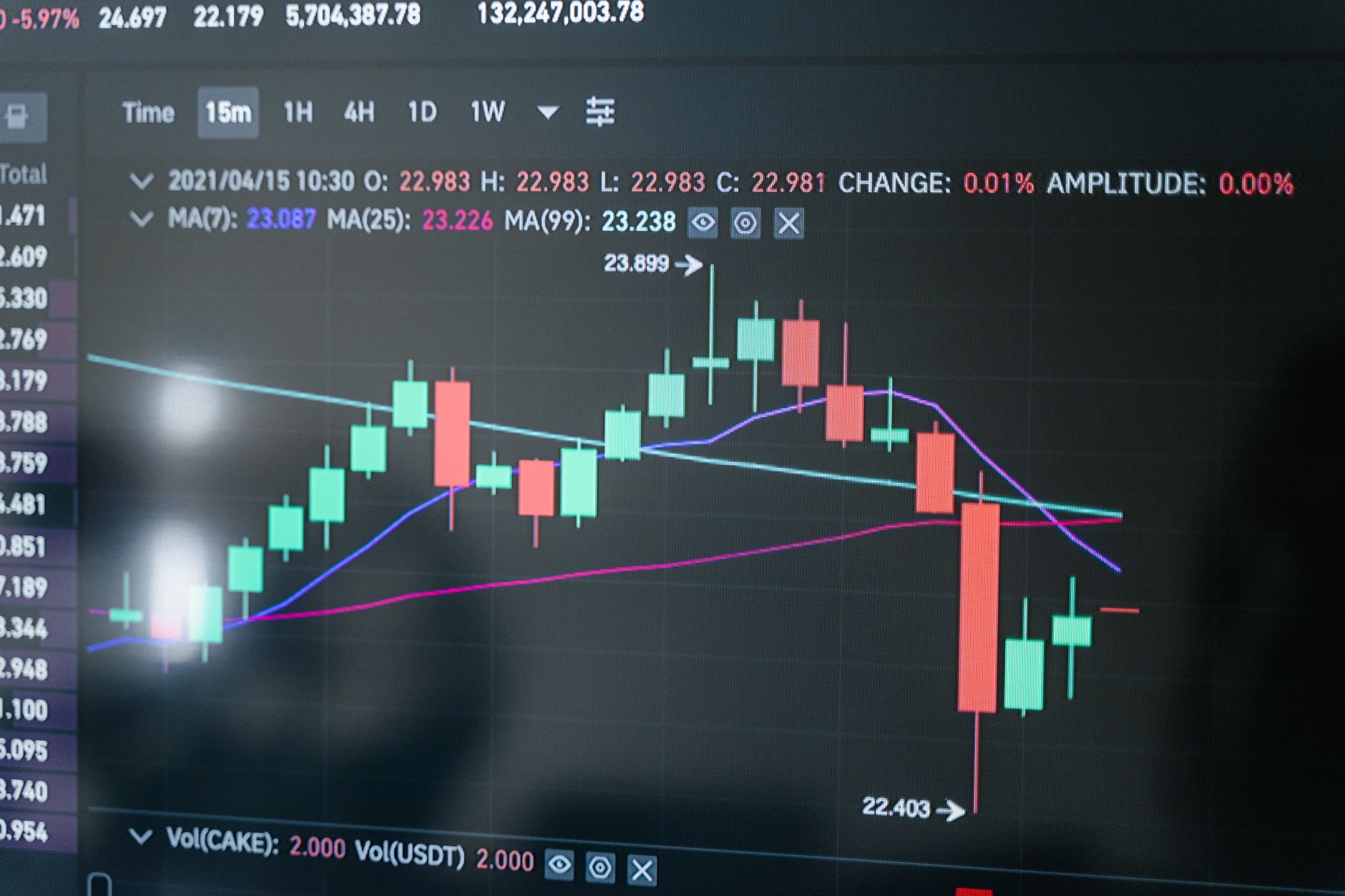
Staking has become the go-to strategy for crypto investors looking to earn passive income without selling their assets. By 2026, the staking market has matured significantly, with institutional-grade platforms competing for your coins. But here’s the thing: not all staking platforms are created equal. Some offer flashy double-digit yields that evaporate within weeks. Others quietly deliver consistent returns with rock-solid security. The challenge is telling them apart.
For Canadian traders, there’s an extra layer of complexity. The CRA’s cryptocurrency guide treats staking rewards as taxable income, meaning every reward you earn must be reported. That’s not optional. With staking rewards averaging 4-8% APY across major assets, the tax hit can eat a significant chunk of your profits if you’re not tracking properly. Platforms that offer clear transaction history and tax export tools become invaluable.
We tested and compared the top staking platforms available to Canadians in 2026. Our methodology focused on real-world yields (not advertised rates), lock-up flexibility, security track records, and CRA reporting capabilities. We also factored in the user experience. After all, a platform with a clunky interface will make you less likely to monitor your positions and optimize your strategy. We looked at everything from major exchange platforms to decentralized protocols.
One more thing before we dive in. The staking landscape shifts fast. Yields that look attractive today might be halved in six months. That’s why we’ve focused on platforms with proven track records rather than flashy newcomers. You’ll notice we’ve also included liquid staking options, which let you earn rewards without locking up your coins. For Canadian investors juggling tax obligations and market volatility, that flexibility can be a game-changer. Here’s what made the cut.
The numbers tell an interesting story. According to CoinGecko, total value locked in staking protocols surpassed $112 billion in early 2026, up from $78 billion the year before. Ethereum alone accounts for nearly 60% of that figure. But the real action is in the mid-cap altcoins, where yields can reach 12-15% APY. The catch? Those coins also carry significantly higher price risk. A coin that drops 30% in a week can wipe out a year of staking rewards in days.
We’ve structured this guide to help you make an informed decision based on your risk tolerance, technical comfort level, and tax situation. Whether you’re a beginner looking to stake your first ETH or a seasoned trader optimizing a multi-asset portfolio, there’s a platform here for you. Let’s get into it.
Before you commit any funds, remember that staking isn’t risk-free. Smart contract vulnerabilities, validator penalties, and exchange insolvency are all real threats. The crypto security guide covers how to protect your assets, and we strongly recommend reading it before staking significant amounts.
How Do the Top Options Compare?
| Platform | Best For | Top APY | Lock-up | CRA Reporting |
|---|---|---|---|---|
| Binance | Wide coin selection | Up to 12% | Flexible or fixed | CSV export |
| Kraken | Regulated transparency | Up to 10% | Flexible or fixed | CSV export, tax reports |
| Coinbase | Beginners | Up to 8% | Flexible | Tax forms, CSV export |
| Lido | Liquid staking | 3-5% (ETH) | None (liquid) | Transaction history |
| Ledger Live | Hardware wallet staking | Up to 12% | Varies | Manual tracking |
APY figures are approximate as of Q1 2026 and fluctuate with network conditions. Always verify current rates on the platform before staking.
1. Binance , Best for Wide Coin Selection

Binance remains the undisputed leader in staking options. With over 200 stakable assets, you’ll find everything from blue-chip ETH and SOL to obscure DeFi tokens that other platforms don’t touch. The flexible staking feature lets you withdraw anytime, while locked staking offers higher yields for those willing to commit. In 2026, Binance’s Simple Earn products consistently deliver 4-8% APY on major assets, with promotional rates on newer tokens reaching 12%.
Key strengths:
- ✅ Huge selection of stakable coins
- ✅ Zero staking fees on most assets
- ✅ Flexible and locked staking options
- ✅ Competitive promotional rates
- ✅ Integrated with full exchange features
- ❌ Regulatory uncertainty in Canada
- ❌ Withdrawal fees can add up
- ❌ Complex interface for beginners
Who it’s for: Experienced traders who want maximum coin selection and don’t mind navigating regulatory gray areas.
2. Kraken , Best for Canadian Regulatory Compliance

Kraken has positioned itself as the most Canadian-friendly staking platform. It’s registered as a money services business with FINTRAC and maintains transparent operations. The platform offers staking for 20+ assets with yields ranging from 3% on ETH to 10% on DOT. Kraken’s staking dashboard provides detailed transaction history that exports directly to CSV, making CRA reporting straightforward. For Canadian investors, this compliance-first approach is worth a slightly lower yield.
Key strengths:
- ✅ Strong regulatory compliance in Canada
- ✅ Transparent fee structure
- ✅ Detailed tax reporting tools
- ✅ Solid security track record
- ✅ No staking commission
- ❌ Fewer stakable assets than Binance
- ❌ Yields slightly below market average
- ❌ Lock-up periods on some assets
Who it’s for: Canadian investors who prioritize regulatory safety and clean tax reporting over maximum yield.
3. Coinbase , Best for Beginners
Coinbase makes staking stupidly simple. One tap and your ETH, SOL, or ADA starts earning. The interface is clean, the rewards are displayed prominently, and you can unstake anytime for most assets. Yields average 3-6% APY, which isn’t market-leading, but the ease of use and educational resources more than compensate for new investors. Coinbase also provides tax forms and CSV exports that work well with Canadian tax software.
Key strengths:
- ✅ Extremely user-friendly interface
- ✅ Instant staking activation
- ✅ Built-in tax reporting tools
- ✅ Backed by publicly traded company
- ✅ Educational resources for beginners
- ❌ Lower yields than competitors
- ❌ Higher spread on trades
- ❌ Limited asset selection for staking
Who it’s for: Crypto newcomers who want a no-fuss staking experience without sacrificing security.
4. Lido , Best for Liquid Staking
Lido solves the biggest problem with staking: illiquidity. By staking ETH through Lido, you receive stETH, a liquid derivative token that you can trade, lend, or use as collateral in DeFi. You earn staking rewards (currently around 3.5% APY on ETH) while maintaining full flexibility. This is revolutionary for traders who want passive income without locking up capital. Lido also supports staking on Solana, Polygon, and Polkadot.
Key strengths:
- ✅ No lock-up period
- ✅ Earn rewards while staying liquid
- ✅ stETH can be used in DeFi protocols
- ✅ Decentralized governance model
- ✅ Transparent smart contract operations
- ❌ Smart contract risk
- ❌ Only supports major assets
- ❌ Requires understanding of DeFi concepts
Who it’s for: DeFi-savvy investors who want to maximize capital efficiency while earning staking rewards.
5. Ledger Live , Best for Hardware Wallet Security
Ledger Live lets you stake directly from your hardware wallet, keeping your private keys offline at all times. This is the gold standard for security-conscious stakers. The platform supports staking for 15+ assets including ETH, SOL, and ATOM, with yields ranging from 4% to 12%. The trade-off is that you’ll need to manage the staking process manually, and the interface is more utilitarian than polished. But for large holdings, the security benefit far outweighs the UX compromise.
Key strengths:
- ✅ Private keys never leave hardware wallet
- ✅ Supports 15+ stakable assets
- ✅ Full control over your funds
- ✅ Competitive yields on some assets
- ✅ No exchange counterparty risk
- ❌ Manual staking process
- ❌ Requires hardware wallet purchase
- ❌ No built-in tax reporting tools
Who it’s for: Security-first investors with significant holdings who want maximum protection against exchange hacks.
Frequently Asked Questions
Is crypto staking taxable in Canada?
Yes. According to the CRA, staking rewards are generally taxed as business income or capital gains depending on your situation. You must report the fair market value of rewards when you receive them.
What is the average staking yield in 2026?
Average yields range from 3% to 12% APY depending on the asset and platform. Ethereum staking hovers around 3-5%, while smaller altcoins can offer double-digit returns but carry higher risk.
Can I stake without locking up my funds?
Yes. Liquid staking protocols like Lido issue derivative tokens (stETH) that you can trade or use in DeFi while still earning rewards. Centralized platforms also offer flexible staking options.
Which staking platform has the lowest fees?
Binance and Kraken both charge zero commission on standard staking rewards. However, withdrawal fees and spread costs can vary, so compare total costs before committing.
Are staking rewards paid in the same cryptocurrency?
Most platforms pay rewards in the same asset you stake. Some, like Kraken, offer optional rewards in their native token (KSM or DOT) for slightly higher yields.
What Should You Remember?
- Binance leads with the widest staking coin selection and zero staking fees, but Canadian users face regulatory uncertainty.
- Kraken offers regulated transparency and competitive yields, making it the safest choice for Canadian stakers.
- Coinbase is the easiest entry point for beginners, though its yields are slightly below the market average.
- Lido enables liquid staking with stETH, allowing you to earn rewards while staying liquid for DeFi opportunities.
- CRA tax compliance is non-negotiable. Track every reward and use portfolio trackers to simplify reporting.
- Yield rates fluctuate with network conditions. Always check current APY before staking, not outdated promotional figures.
- Security should trump yield. A platform with 2% lower APY but stronger security is often the better long-term bet.
Disclaimer: This article is for informational purposes only and does not constitute financial or tax advice.