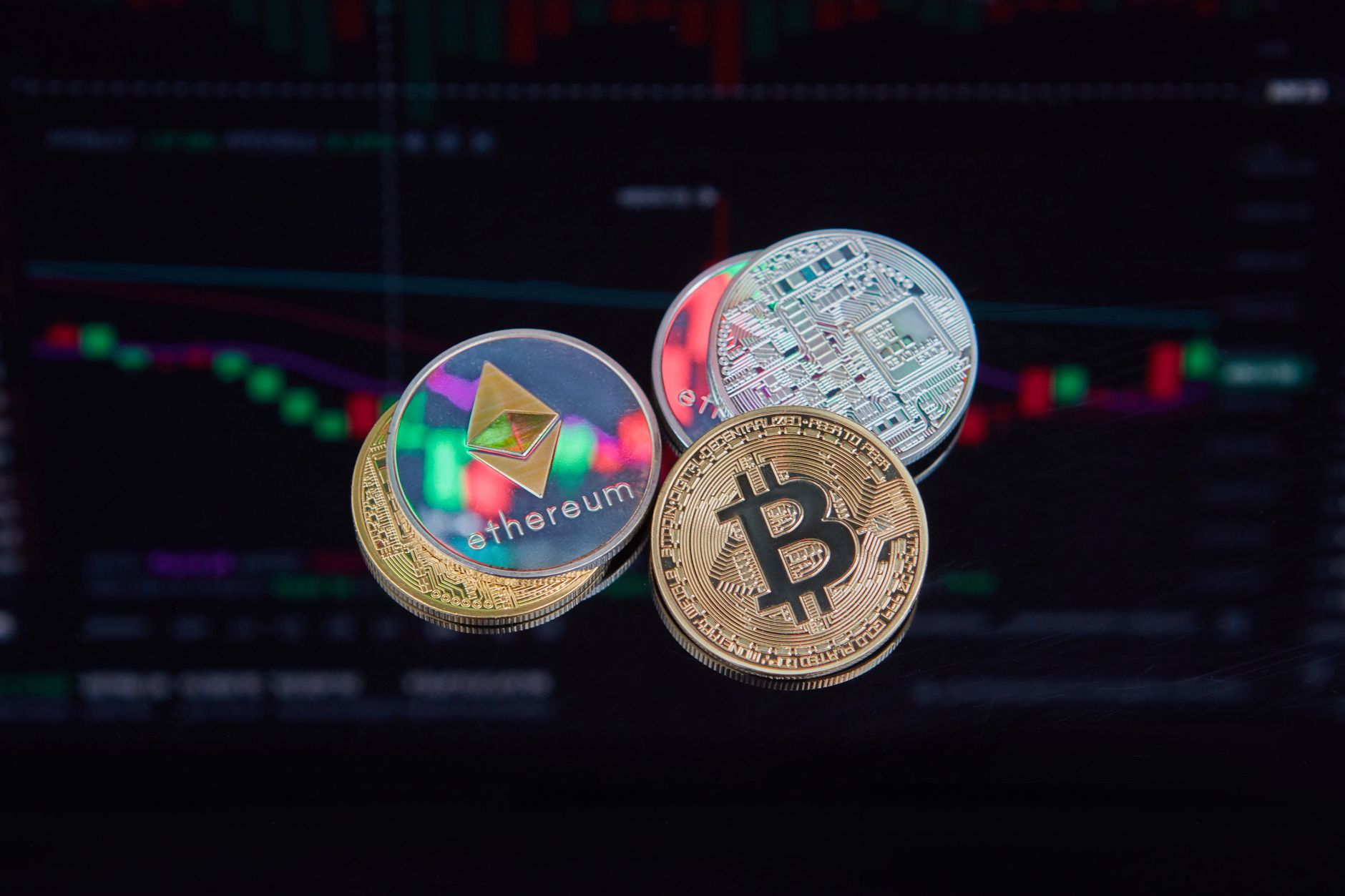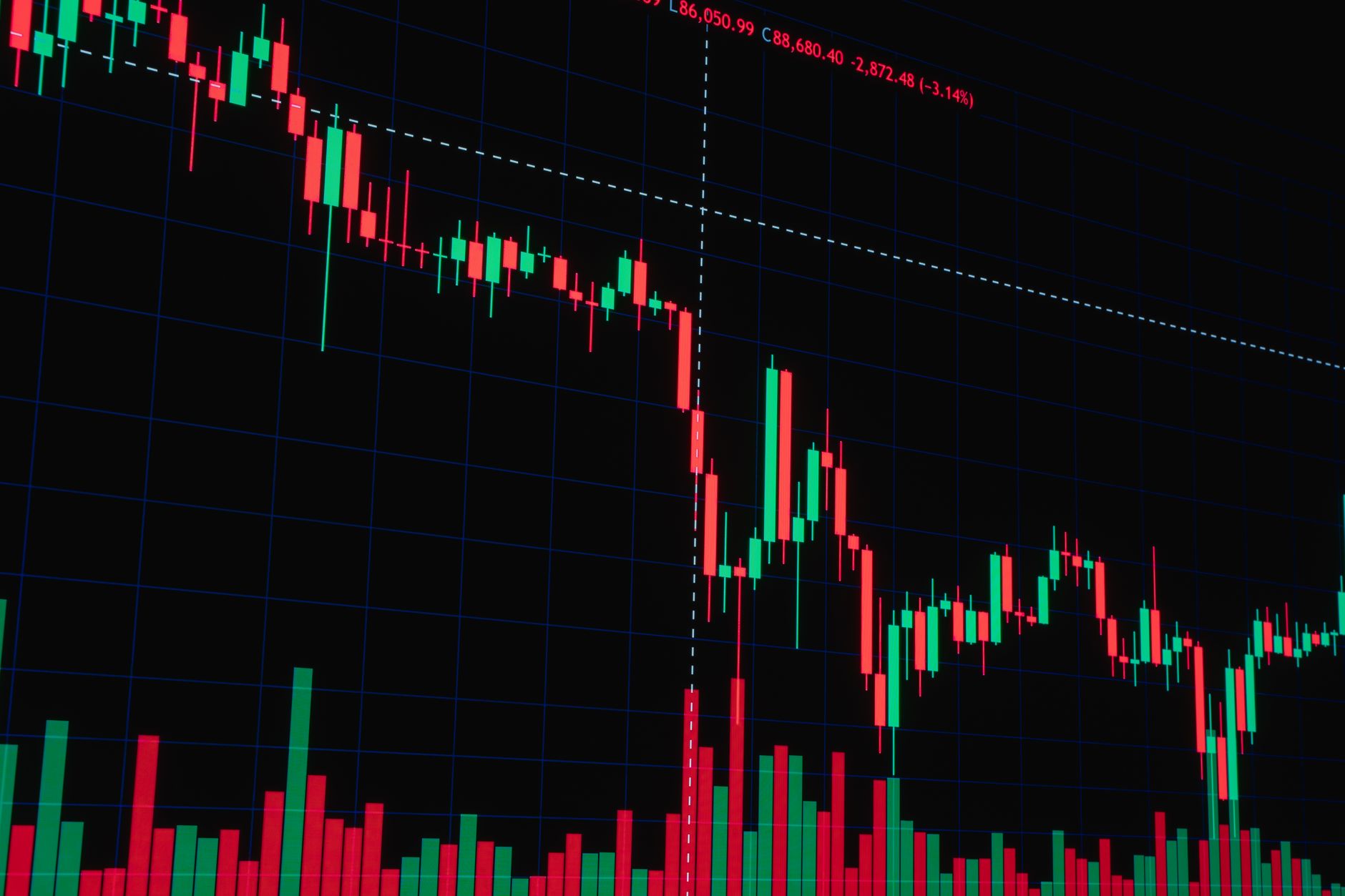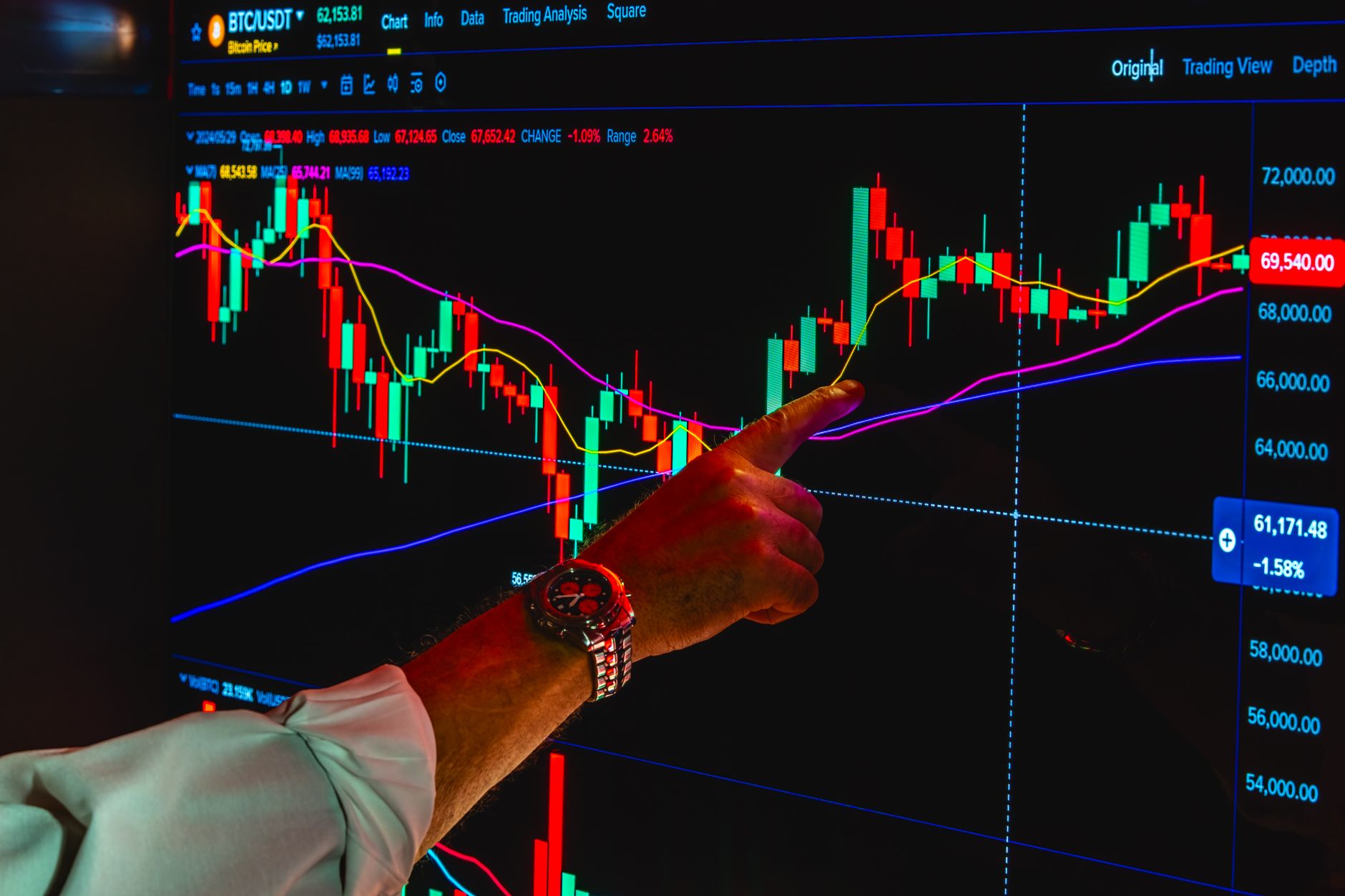
Yes, cryptocurrency spot markets trade 24 hours a day, 7 days a week, 365 days a year. There is no closing bell, no market holiday, and no pause for Christmas or Thanksgiving. That sounds simple, but the reality is more nuanced. Liquidity changes by hour, spreads widen when Asia sleeps and Europe wakes, and weekend order books can look very different from Tuesday afternoon. CoinGecko tracks thousands of spot pairs across hundreds of venues, showing that trading volume never falls to zero. Before choosing a venue, read our best crypto exchanges roundup to compare fees, funding methods, and supported coins.
Trading costs also shift with the clock. For example, Coinbase Advanced charges a 0.60% taker fee and 0.40% maker fee for accounts under $10,000 in monthly volume. Kraken Pro starts at 0.26% taker and 0.16% maker for volumes under $50,000. These fees stay constant around the clock, but effective spreads do not. A Bitcoin to Canadian dollar spread may sit near 0.05% during New York hours and widen to 0.30% or more on a quiet Sunday. Use limit orders when volume is thin.
Tax obligations do not sleep. The Canada Revenue Agency and the IRS generally treat cryptocurrency as property, not currency. That means every sale, swap, or payment at any hour can trigger a capital gain or loss. A 3 a.m. leveraged trade on a Sunday can create the same reporting burden as a Tuesday afternoon stock sale. Keeping records becomes more difficult when markets never close, which is why many traders use crypto tax software to handle cost basis and CRA or IRS forms.
This comparison breaks down how 24/7 crypto actually behaves versus stock market hours, forex sessions, traditional futures, and crypto derivatives. We look at fees, spreads, liquidity, and regulatory differences. The goal is not to tell you what to buy. It is to help you choose the right market and timing for your risk tolerance.
How Do the Top Options Compare?
| Market | Trading Hours | Typical Fees / Spreads | Liquidity | Regulation / Settlement |
|---|---|---|---|---|
| Crypto Spot | 24/7/365 | Taker 0.26%-0.60%; BTC/CAD spread 0.05%-0.30% | Deep, but thinner weekends and altcoins | Varies by exchange; FINTRAC/SEC registered venues; T+0 settlement |
| US Stocks | 9:30 AM-4:00 PM ET weekdays plus pre/after hours | $0 commissions common; spread <$0.01 for S&P 500 | Deep during regular session | SEC/FINRA; T+1 settlement |
| Forex | Sunday 5 PM ET to Friday 5 PM ET | EUR/USD spread 0.1-2 pips | Deepest during London/NY overlap | CFTC/NFA in US, OSC/IIROC in Canada; T+2 settlement |
| Crypto Futures/Perps | 24/7/365 | Perp taker 0.02%-0.075% depending venue | Deep for BTC/ETH perps | CFTC for CME; offshore perps vary; real-time funding |
| Traditional Futures/Bonds | Sunday 5 PM ET to Friday 4 PM CT with break; bonds 8 AM-5 PM | E-mini S&P 500 tick $12.50; commissions vary | Deep during US/Europe hours | CFTC; daily price limits and T+1 for bonds |
Fees reflect entry tiers and can change. Spreads widen after hours, on weekends, and in small-cap or altcoin pairs. Crypto spot settles immediately on-exchange, while stock, forex, and bond settlement can take one to two business days.
1. Crypto Spot Markets , Best for around-the-clock access to Bitcoin and altcoins
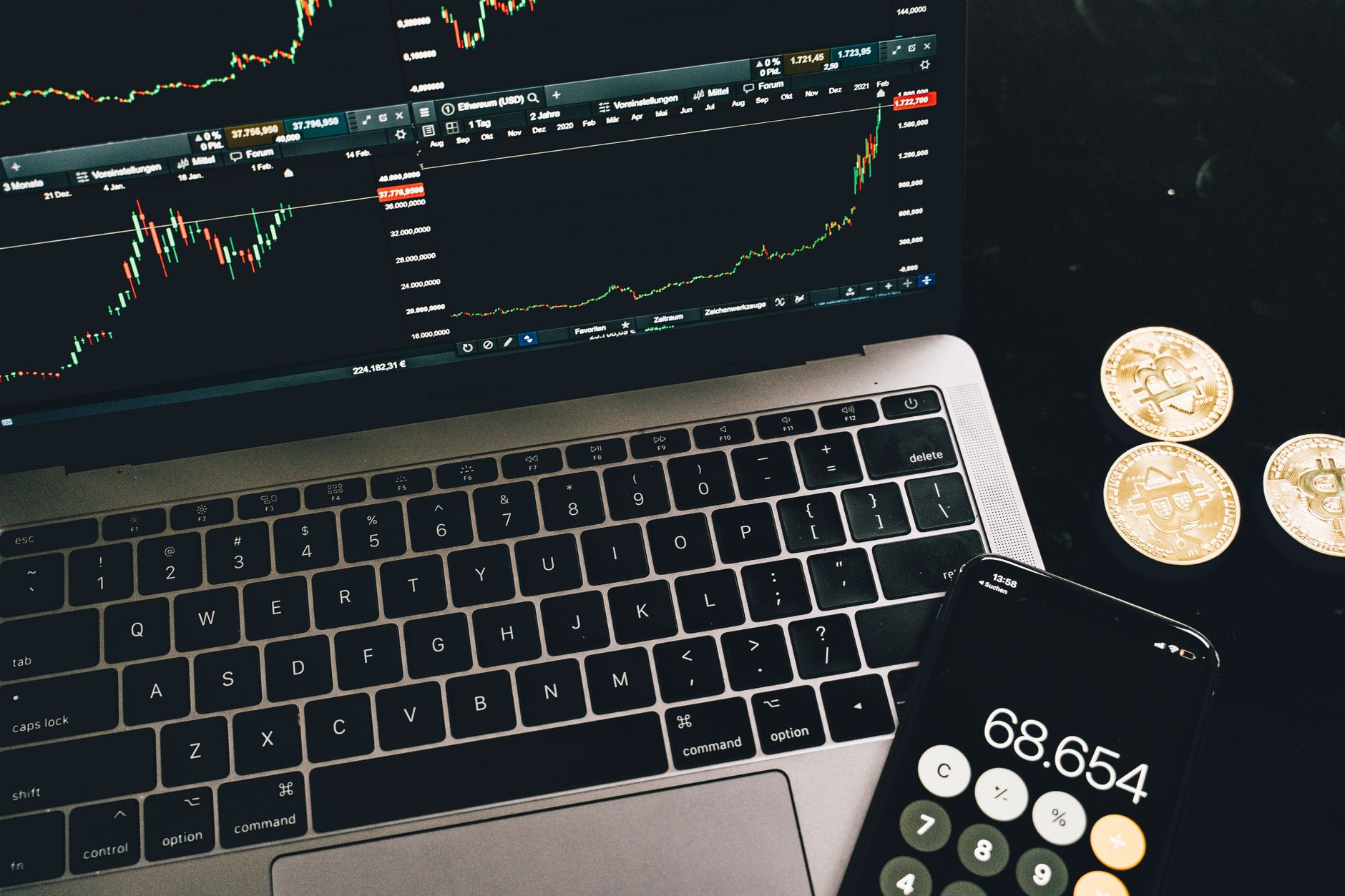
Crypto spot markets never close because no single operator controls the order books. Exchanges in Canada, the US, Europe, Asia, and offshore locations connect through arbitrage, so a Bitcoin price on one venue rarely strays far from another for long. This round-the-clock access means you can buy Solana at 2 a.m. or sell Ethereum on a Sunday afternoon. Use our guide to regulated Canadian exchanges to compare CAD funding rails, Interac e-Transfer limits, and FINTRAC registration.
Fees stay fixed by volume tier, not by time of day. Coinbase Advanced starts at 0.60% taker and 0.40% maker below $10,000 monthly volume. Kraken Pro starts at 0.26% taker and 0.16% maker below $50,000. Spreads, however, widen when order books thin out. A BTC/CAD spread near 0.05% during New York hours can reach 0.30% or more on weekends, especially for altcoins.
The downside is real. Weekend liquidity is thinner, and market orders on smaller pairs can slip. If you are new, learn order types before trading at odd hours. Our beginner’s guide to crypto trading covers market, limit, and stop orders.
Key strengths:
- ✅ Trades 24/7/365 with no closing bell or market holidays
- ✅ Immediate settlement on most spot exchanges
- ✅ Wide range of trading pairs including Bitcoin, Ethereum, and altcoins
- ✅ Global liquidity connects venues through arbitrage
- ✅ Ability to react to news and market moves at any hour
- ❌ Weekend and overnight spreads can widen significantly
- ❌ Altcoin books are thinner and prone to slippage
- ❌ No unified order book across all exchanges
Who it’s for: Traders and investors who want to buy, sell, or trade digital assets at any hour, including weekends and holidays.
2. US Stock Markets , Best for regulated equity investing during fixed hours
NYSE and Nasdaq operate regular sessions from 9:30 a.m. to 4:00 p.m. Eastern time on weekdays. Pre-market trading starts as early as 4:00 a.m. and after-hours runs until 8:00 p.m., but liquidity outside regular hours is much lower. US and Canadian exchanges close on weekends and most public holidays. Compare this to crypto in our crypto vs stocks investing guide.
Commissions at major US brokers are often $0, but payment for order flow can create hidden costs. Spreads on liquid S&P 500 names may be under $0.01, while small-cap stocks can have much wider spreads. Settlement moved to T+1 in May 2024 in both the US and Canada, meaning cash settles one business day after a trade.
The main risk is the overnight gap. A company can report bad earnings after the close, and the stock may open 15% lower before you can act. Stop orders do not protect against gaps. That is a key difference from crypto, where you can usually react immediately.
Key strengths:
- ✅ Deep liquidity during regular trading hours
- ✅ Transparent, SEC-regulated public equity markets
- ✅ Many brokers offer $0 commissions on stock trades
- ✅ Tight spreads on large-cap and S&P 500 names
- ❌ Closed weekends and most holidays
- ❌ Overnight gap risk from earnings or geopolitical news
- ❌ Pre-market and after-hours sessions have thin liquidity
Who it’s for: Equity investors who prefer regulated markets and can trade during defined weekday sessions.
3. Forex Market , Best for 24/5 currency trading with tight spreads
Forex runs 24 hours a day, five days a week, from Sunday at 5:00 p.m. Eastern to Friday at 5:00 p.m. Eastern. Trading moves through Sydney, Tokyo, London, and New York sessions. Liquidity peaks when London and New York overlap, roughly 8:00 a.m. to noon Eastern.
Retail forex spreads on EUR/USD can be as low as 0.1 to 0.3 pips on ECN accounts, but standard accounts may quote 1 to 2 pips. Leverage is capped at 50:1 for major pairs in the US, while Canadian regulators set similar limits depending on the province. Unlike crypto spot, forex does not trade on weekends.
Forex is highly regulated but not always suitable for crypto traders. You cannot move Bitcoin or Ethereum. You are trading national currencies. If you want 24/7 weekends plus digital assets, crypto spot remains the only major market open.
Key strengths:
- ✅ Trading available 24 hours a day during weekdays
- ✅ Extremely liquid major currency pairs
- ✅ Well-regulated by CFTC, NFA, OSC, and IIROC
- ✅ Tight institutional-level spreads on majors
- ❌ Closed on weekends
- ❌ Leverage limits restrict aggressive strategies
- ❌ No direct exposure to Bitcoin or other cryptocurrencies
Who it’s for: Currency traders who want near-24-hour access during weekdays with tight institutional spreads.
4. Crypto Futures & Perpetual Contracts , Best for leverage and hedging around the clock
Crypto-native perpetual futures trade 24/7/365, just like spot. Perps do not expire. They use a funding rate paid between longs and shorts every eight hours to keep the contract price near spot. This market lets you hedge or add leverage to Bitcoin, Ethereum, and hundreds of altcoins. Our crypto futures trading guide explains funding, liquidation, and margin mechanics.
Regulated CFTC futures also exist. CME Bitcoin futures size is 5 BTC per contract, while Micro Bitcoin futures are 0.1 BTC. CME crypto futures trade nearly 24 hours Sunday through Friday but close for a short daily maintenance break. US traders generally cannot access offshore perpetual venues without violating local rules, so choose a regulated exchange.
Leverage sounds great until a 5% move wipes your margin. A stop-loss can help, but during fast weekend moves, liquidation engines may skip your price. Trade smaller size than you think you need, especially outside US market hours.
Key strengths:
- ✅ Round-the-clock leveraged exposure to crypto
- ✅ Hedging tool for spot positions
- ✅ Funding rate arbitrage opportunities
- ✅ CFTC-regulated CME futures available for US traders
- ❌ High liquidation risk from leverage
- ❌ Funding payments can erode long-term positions
- ❌ US restrictions on offshore perpetual venues
Who it’s for: Experienced traders who want leveraged exposure or hedging tools beyond spot.
5. Traditional Futures & Fixed Income Markets , Best for regulated derivatives and fixed income during set hours
Traditional futures such as E-mini S&P 500, crude oil, and gold trade on CME Globex nearly 24 hours a day, Sunday through Friday, with a 60-minute maintenance pause each day. Bond markets, however, mostly trade from 8:00 a.m. to 5:00 p.m. Eastern. None of these trade on weekends.
Contract specifics vary. E-mini S&P 500 has a $50 multiplier and a tick size of 0.25 index points, worth $12.50 per contract. That is far more capital intensive than buying $100 of Bitcoin on a crypto exchange. Traditional futures also have daily price limits and trading halts, which can pause price discovery during extreme moves.
These markets offer deep liquidity and strong regulatory oversight, but they do not offer the same weekend access or low minimums as crypto spot. For retail investors who want round-the-clock digital asset exposure, crypto exchanges and crypto futures may be more practical.
Key strengths:
- ✅ Highly regulated derivatives markets
- ✅ Deep liquidity during US and European hours
- ✅ Transparent pricing and contract specifications
- ✅ Daily price limits can reduce runaway volatility
- ❌ No weekend trading for most products
- ❌ Higher capital requirements than fractional crypto buys
- ❌ Fixed income and bond markets have narrow weekday windows
Who it’s for: Traders and institutions seeking regulated derivatives exposure, not crypto-native venues.
Frequently Asked Questions
Does crypto trade 24/7 on all exchanges?
Yes, most crypto spot exchanges like Coinbase, Kraken, Bitbuy, and NDAX allow trading 24/7/365. Some may pause for maintenance or network upgrades, but there is no daily closing bell.
Are crypto trading fees higher on weekends?
Trading fees usually stay the same, but spreads can widen on weekends and overnight because order books are thinner. Use limit orders to avoid paying wide spreads.
Do stock markets ever trade 24 hours like crypto?
No. Major US and Canadian stock exchanges have set weekday sessions. Pre-market and after-hours trading extend access but weekend and holiday trading is not available.
Is crypto taxed differently because it trades 24/7?
No. The CRA and IRS treat crypto as property, so every trade at any hour can be a taxable event. You must track proceeds, cost basis, and capital gains or losses.
Can I trade crypto futures 24/7?
Crypto-native perpetual futures trade 24/7/365. Regulated CME Bitcoin and Ether futures trade nearly 24 hours a day, Sunday through Friday, but close for a brief daily maintenance period.
Which markets are open during weekends?
Crypto spot and crypto-native derivatives are open weekends. Stocks, bonds, traditional futures, and most forex close from Friday evening to Sunday evening.
What Should You Remember?
- 24/7/365 spot trading: Crypto never has a closing bell, but liquidity is strongest during US and European hours.
- Weekend spreads widen: BTC/CAD spreads can move from 0.05% to 0.30% or more on thin books.
- Stock markets fixed: NYSE and Nasdaq run 9:30 a.m. to 4 p.m. ET weekdays, with limited pre-market and after-hours.
- Forex 24/5: Currency trading runs Sunday 5 p.m. to Friday 5 p.m. ET, not weekends.
- Fees vary by venue: Coinbase Advanced taker fee starts at 0.60%, while Kraken Pro starts at 0.26%.
- Taxes still apply: The CRA and IRS treat every 3 a.m. crypto trade as a taxable event.
- Use limit orders off-peak: Protect yourself from weekend slippage and wide spreads.
This content is for general information and education only, not financial, investment, or tax advice. Cryptocurrency is volatile and you can lose money. Always do your own research and consult a licensed financial or tax professional before making decisions. Nothing here is a recommendation to buy, sell, or hold any asset.