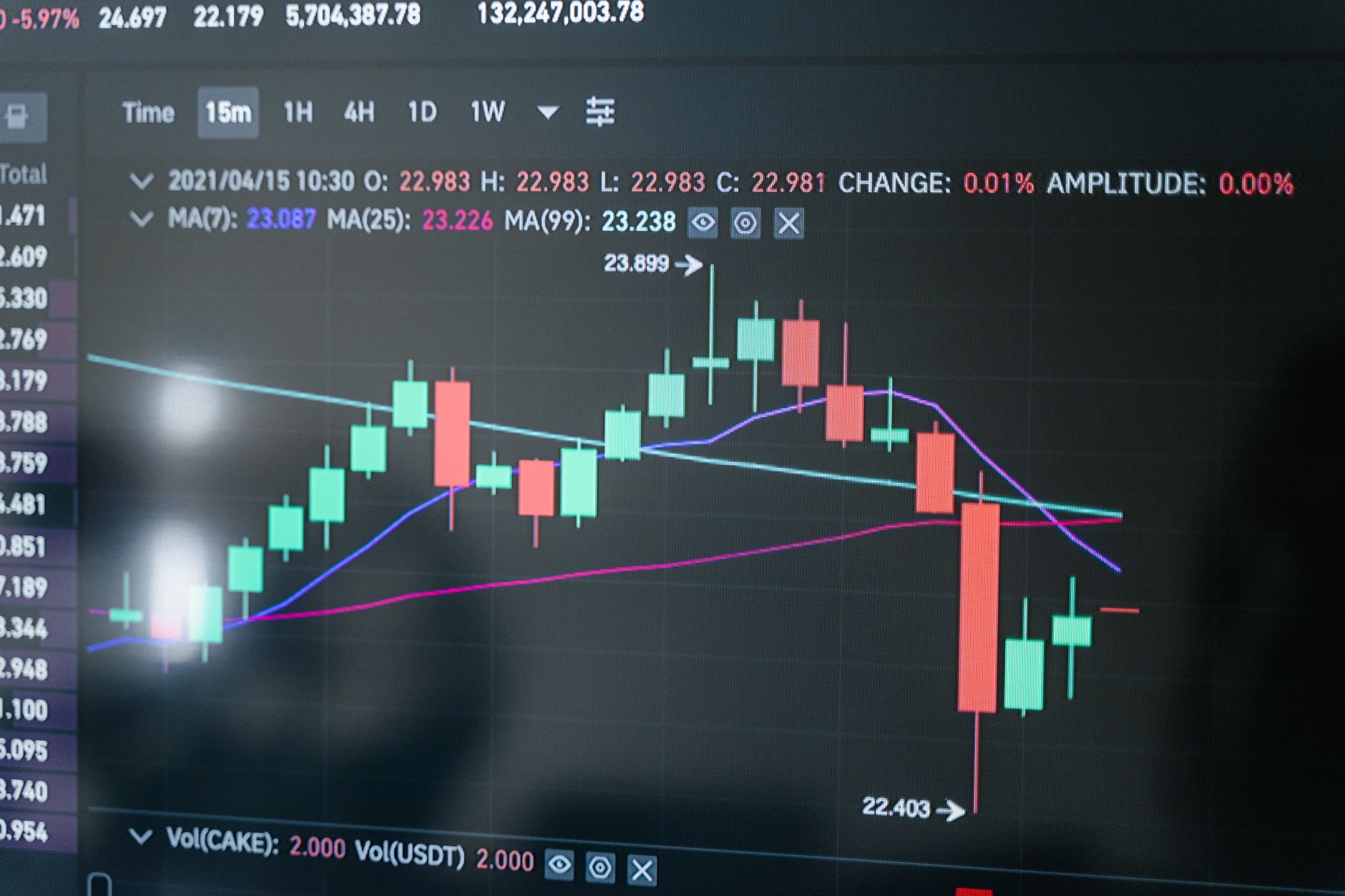
Tax season in Canada is getting more complicated for crypto traders. The CRA has been ramping up its enforcement, and the agency’s cryptocurrency guide makes one thing clear: every disposal, trade, or sale is a taxable event. That includes crypto-to-crypto trades, which many new traders wrongly assume are tax-free. With the 2026 filing season approaching, you need software that handles the CRA’s rules correctly, not just a generic calculator.
The stakes are real. The CRA has already collected data from major exchanges, and a 2023 report found that only 50% of Canadian crypto holders reported their gains accurately. That gap is closing fast. The agency has expanded its compliance efforts, and penalties for non-reporting can reach 50% of the unpaid tax plus interest. If you’re trading actively, whether on a Canadian-regulated exchange or a global platform, you need a tool that tracks your cost basis correctly and handles the 50% inclusion rate for gains under $250,000.
Here’s the thing: not all tax software is created equal for Canadian filers. Many US-focused tools ignore the CRA’s specific rules around superficial losses, foreign exchange, and business income classification. That’s why we tested the top platforms specifically for Canadian traders. We looked at exchange coverage, CRA compliance features, NETFILE support, pricing, and how well they handle complex scenarios like staking, DeFi, and NFTs. We also compared them against the CRA’s digital currency page to verify their reporting logic.
Before you pick a tool, think about your situation. Are you a casual buyer who made a few trades? A DeFi power user with yield farming positions? Or a trader who also holds US assets? Your answer determines which software makes sense. For a broader view of your portfolio, check out our crypto portfolio trackers guide. And if you’re new to the tax rules themselves, our CRA capital gains reporting guide breaks down the basics. Now let’s get into the software.
How Do the Top Options Compare?
| Software | Best For | Free Tier | Pricing (Paid) | CRA NETFILE Support |
|---|---|---|---|---|
| Koinly | Active traders & DeFi users | Up to $1,000 in transactions | From $49/year | No, exports reports |
| Wealthsimple Tax | Simple filing & beginners | Free under $10,000 | Pay-what-you-want | Yes |
| TurboTax Canada | Full CRA integration | No | From $29.99 | Yes |
| CoinTracker | US-Canada dual filers | Up to $1,000 in transactions | From $59/year | No, exports reports |
| Cointracking | Advanced tax optimization | Up to 200 trades | From $109/year | No, exports reports |
Pricing is for the 2025-2026 tax season and may change. Free tiers often have transaction limits. Always check the official website for current plans.
1. Koinly , Best for Active Traders & DeFi Users

Koinly has become the go-to choice for Canadian crypto traders who need serious automation. It pulls data from 400+ exchanges and wallets, covering everything from Bitcoin on major platforms to obscure DeFi tokens on Uniswap. The platform calculates your capital gains using the CRA’s adjusted cost base (ACB) method, and it handles staking rewards, airdrops, and NFT trades without breaking a sweat. If you’re using a hardware wallet for cold storage, Koinly can import those transactions too, so nothing slips through the cracks.
What sets Koinly apart is its CRA-specific reporting. It generates T2125 forms for business income and Schedule 3 for capital gains, which you can hand directly to your accountant or import into other filing software. The interface is clean, and the tax summary page shows exactly how much you owe before you file. The catch is that Koinly doesn’t support NETFILE directly, so you’ll still need to transfer the numbers into a filing tool. For traders juggling multiple wallets, including hot wallets and exchange accounts, the time savings are massive.
Key strengths:
- ✅ Supports 400+ exchanges and wallets, including DeFi protocols
- ✅ CRA-specific reports for capital gains and business income
- ✅ Automatic cost basis calculation using ACB method
- ✅ Handles staking, airdrops, and NFT transactions
- ✅ Reasonable pricing starts at $49/year
- ❌ No NETFILE integration, requires manual transfer
- ❌ Complex DeFi transactions can still need manual review
- ❌ Free tier only covers up to $1,000 in transactions
Who it’s for: Active traders and DeFi users who need comprehensive tracking across multiple platforms and are comfortable exporting reports for final filing.
2. Wealthsimple Tax , Best for Simple Filing & Beginners
Wealthsimple Tax (formerly SimpleTax) is the easiest way to file crypto taxes in Canada if your portfolio is modest. It’s free for crypto portfolios under $10,000, which covers a huge chunk of casual traders. The platform integrates directly with Wealthsimple Trade accounts, so if you trade on Wealthsimple’s platform, your transactions import automatically. For other exchanges, you can upload CSV files or manually enter trades.
The real differentiator is NETFILE support. Wealthsimple Tax lets you file your entire return directly with the CRA, no printing or mailing required. The software walks you through crypto-specific questions, including whether your activity counts as business income or capital gains. It’s not built for heavy DeFi users or traders with thousands of transactions, but for someone who bought a few coins and sold some, it’s perfect. The pay-what-you-want model means you can file for free or contribute what you think is fair.
Key strengths:
- ✅ Free for crypto portfolios under $10,000
- ✅ Direct NETFILE submission to the CRA
- ✅ Automatic import from Wealthsimple Trade
- ✅ Simple, guided interface for beginners
- ✅ Pay-what-you-want pricing model
- ❌ Limited support for complex DeFi and staking scenarios
- ❌ Manual CSV uploads can be tedious for large portfolios
- ❌ No advanced tax optimization features
Who it’s for: Casual traders and beginners who want a free, straightforward way to file their crypto taxes without learning complex accounting concepts.
3. TurboTax Canada , Best for Full CRA Integration
TurboTax Canada is the heavyweight champion of Canadian tax filing, and its crypto features have improved significantly for 2026. The software integrates directly with the CRA’s Auto-fill My Return service and supports NETFILE, so your crypto gains flow straight into your T1 return. TurboTax asks detailed questions about your trading activity to determine whether you’re dealing with capital gains or business income, which matters for the CRA’s classification rules.
For crypto traders, TurboTax offers a dedicated crypto section where you can import transactions from major exchanges or upload CSV files. It calculates your ACB automatically and applies the correct inclusion rate. The downside is that TurboTax’s crypto import is less comprehensive than Koinly’s, and it struggles with complex DeFi transactions. If you’re a straightforward trader, though, the integration is unbeatable. You won’t need to manually transfer numbers between platforms, which eliminates a common source of errors.
Key strengths:
- ✅ Direct NETFILE and Auto-fill My Return integration
- ✅ CRA-specific classification of capital gains vs. business income
- ✅ Guided interview format catches common mistakes
- ✅ Reliable support from Intuit’s Canadian team
- ✅ Handles all aspects of your tax return, not just crypto
- ❌ Crypto import is limited compared to specialized tools
- ❌ Pricing starts at $29.99 and adds up with add-ons
- ❌ Not ideal for DeFi or NFT-heavy portfolios
Who it’s for: Traders who want everything in one place, from crypto reporting to full T1 filing, and don’t mind paying for the convenience of NETFILE integration.
4. CoinTracker , Best for US-Canada Dual Filers
CoinTracker is the Swiss Army knife of crypto tax software, and it’s particularly valuable for Canadians who also have US tax obligations. The platform supports both Canadian ACB and US FIFO cost basis methods, and it can generate reports for both the CRA and the IRS. That’s a lifesaver if you hold assets on US-regulated exchanges or have cross-border income. CoinTracker syncs with 300+ exchanges, including all the major Canadian platforms.
The interface is polished, and the real-time portfolio tracking is a nice bonus. You can see your unrealized gains throughout the year, not just at tax time. CoinTracker handles staking, lending, and even crypto lending platforms activity. The catch is that it doesn’t support NETFILE, so you’ll need to export your reports and import them into a filing tool. For dual filers, the extra flexibility is worth the hassle.
Key strengths:
- ✅ Supports both Canadian ACB and US FIFO methods
- ✅ Real-time portfolio tracking with tax implications
- ✅ 300+ exchange integrations, including Canadian platforms
- ✅ Excellent support for staking and lending income
- ✅ Clear, modern interface
- ❌ No NETFILE support for direct CRA filing
- ❌ Premium plans start at $59/year, pricier than some rivals
- ❌ Cross-border tax scenarios can get complicated
Who it’s for: Canadians with US tax exposure or those who want a polished tool with real-time tracking and don’t mind exporting reports for final filing.
5. Cointracking , Best for Advanced Tax Optimization
Cointracking has been around since 2012, making it one of the oldest crypto tax platforms. Its longevity shows in the depth of its features. You get granular control over cost basis methods, including ACB, FIFO, and specific identification, which can significantly reduce your tax bill if you plan your sales strategically. The platform also offers tax loss harvesting suggestions, which is a huge advantage for active traders looking to offset gains.
Cointracking supports over 8,000 cryptocurrencies and 200+ exchanges, so coverage is rarely an issue. The reporting suite is comprehensive, generating CRA-ready documents with minimal effort. That said, the interface feels dated compared to Koinly or CoinTracker, and the learning curve is steeper. The free tier covers up to 200 trades, which is generous, but the Pro plan at $109/year is where the real power lies. For serious traders who want to optimize every dollar, it’s worth the investment.
Key strengths:
- ✅ Advanced cost basis methods for tax optimization
- ✅ Tax loss harvesting suggestions
- ✅ Supports 8,000+ cryptocurrencies and 200+ exchanges
- ✅ Generous free tier with 200 trades
- ✅ Comprehensive CRA-ready reports
- ❌ Interface feels dated and clunky
- ❌ Steeper learning curve than competitors
- ❌ Pro plan is pricey at $109/year
Who it’s for: Experienced traders who want maximum control over their tax calculations and are willing to spend time learning the platform for potential savings.
Frequently Asked Questions
Is crypto taxable in Canada?
Yes. The CRA treats cryptocurrency as a commodity, and most transactions are taxable events. You’ll report capital gains or business income depending on your trading activity. Even crypto-to-crypto trades trigger tax obligations.
What is the capital gains inclusion rate in Canada for 2026?
As of the 2024 federal budget, the inclusion rate for capital gains over $250,000 rose to 66.7% for individuals. For gains under that threshold, the rate remains 50%. Always verify current rates with the CRA before filing.
Do I need to report crypto under $1,000?
Yes. There is no minimum threshold for crypto reporting in Canada. Every disposal, including selling for fiat, trading for another coin, or using crypto to buy goods, must be reported to the CRA.
Can I use crypto tax software to file directly with the CRA?
Some platforms like TurboTax Canada and Wealthsimple Tax support NETFILE, allowing direct submission. Others like Koinly generate reports you can import into your tax software or hand to an accountant.
What happens if I don't report my crypto gains?
The CRA has expanded its data collection from exchanges. Failure to report can result in penalties, interest, and potential reassessment. The Voluntary Disclosures Program may help if you come forward before being contacted.
What Should You Remember?
- CRA compliance is non-negotiable: The CRA treats every crypto disposal as a taxable event, and data sharing with exchanges is expanding rapidly.
- Automation saves hours: Koinly and CoinTracker auto-import from 400+ exchanges, cutting manual data entry down to minutes.
- Free options exist: Wealthsimple Tax offers free crypto reporting for portfolios under $10,000, making it ideal for casual traders.
- Dual filers need flexibility: CoinTracker stands out for Canadians who also file US taxes, with cross-border cost basis handling.
- Don’t ignore DeFi: Staking rewards, airdrops, and liquidity pool income are taxable. Choose software that tracks these accurately.
- Review before you file: No software is perfect. Always spot-check high-value or complex transactions against your exchange records.
Disclaimer: This article is for informational purposes only and does not constitute financial or tax advice.