Digital assets now span far beyond Bitcoin. A Canadian or US trader choosing where to place capital faces different risk profiles, fee structures, and tax rules depending on whether the asset is a base-layer coin, a stablecoin, or a tokenized real-world asset. This comparison breaks those choices into five practical categories. We use live market data from CoinGecko and regulatory guidance from the Canada Revenue Agency and the IRS. No part of this article is a recommendation to buy or sell any specific asset. That means the right asset for a long-term holder is often wrong for a day trader.
We reviewed each asset type across four factors: liquidity, volatility, network costs, and regulatory clarity. Liquidity matters because you need a clean exit. Network costs eat into small trades. Regulatory clarity determines whether a sale triggers capital gains, business income, or a securities filing. Prices move quickly, so our fee figures are snapshots from early 2026, not guarantees. For exchange selection, see our best crypto exchanges in Canada for regulated CAD funding. Start with the exchange, then match the asset to your timeline. A regulated on-ramp also simplifies tax reporting in both countries. Do not choose an asset before choosing a compliant exchange.
Tax treatment changes the real return. In Canada, the CRA treats cryptocurrency as property. Selling, trading, or spending a digital asset can trigger a capital gain or business income depending on your activity. In the US, the IRS applies the same logic to virtual currency transactions. Use crypto tax software to track cost basis across exchanges and self-custody wallets. For US filers, the same tracking rules apply to every sale or swap. Missing cost basis turns simple trades into audit risk.
Volatility is not uniform. A trader moving between Bitcoin and a stablecoin is not taking the same risk. Bitcoin can swing 10% in a day. A good stablecoin should move less than 1% against the dollar. Tokenized bonds carry credit and legal risk that a base-layer coin does not. Before picking an asset, read our beginner’s guide to crypto trading to understand order types, spreads, and custody basics. If you are new, start small and never risk money you need for rent or tuition. The next five sections cover what actually differs between these asset categories.
How Do the Top Options Compare?
| Asset | Best For | Volatility | Typical Network Fee | Regulatory Status |
|---|---|---|---|---|
| Bitcoin (BTC) | Store of value, long-term holding | High | $1.50 to $4 average, spikes to $20+ | Treated as property or commodity in most contexts |
| Ethereum (ETH) | Smart contracts, DeFi, staking | High | $2 to $8 base layer, lower on layer 2 | ETH sales generally not securities; staking services face scrutiny |
| Solana (SOL) | Fast payments, low-cost DeFi | Very high | $0.00025 average | SOL often commodity-like; ecosystem tokens may be securities |
| Stablecoins (USDC/USDT) | Trading pairs, volatility management | Low | $0.10 to $2 depending on network | FINTRAC MSB rules apply to platforms; reserve risk remains |
| Tokenized RWAs | Traditional yield exposure | Moderate | Varies by chain, often $1 to $10 | Likely securities under SEC and provincial rules |
Fee figures are estimates from early 2026 and vary with network congestion. Exchange trading and withdrawal fees are separate. Regulatory classifications can change; consult a tax professional or the CRA or IRS directly.
1. Bitcoin (BTC) , Best for Long-Term Store of Value
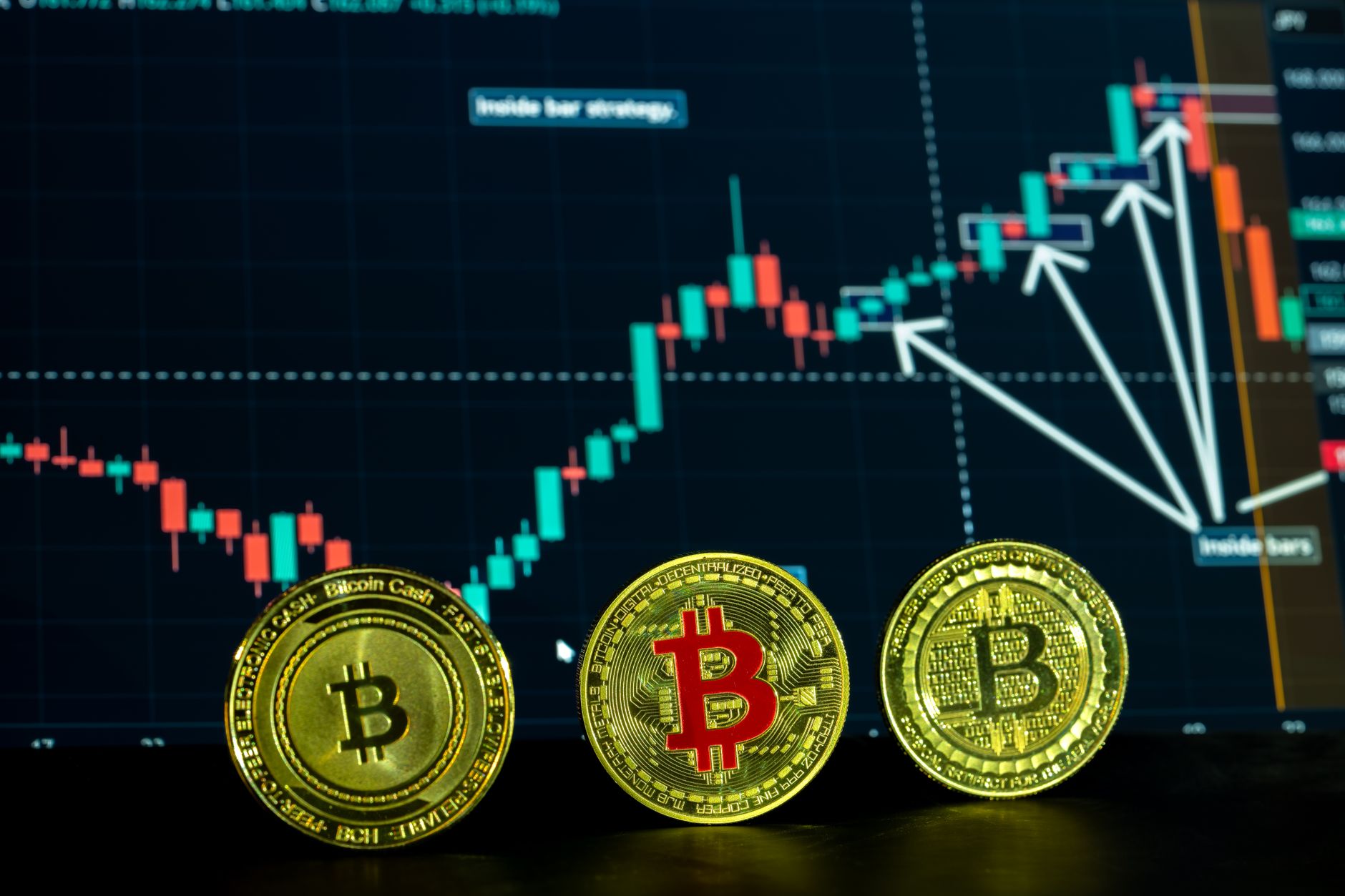
Bitcoin is the deepest, most liquid digital asset. Average daily spot volume across major exchanges frequently exceeds $20 billion, and institutional custody options are more developed than for smaller assets. Its 21 million supply cap makes it the benchmark for scarcity debates. For most Canadian and US beginners, Bitcoin is the first purchase because on-ramps are everywhere. Learn how to buy it safely in our guide to buying Bitcoin.
The network fee is not negligible. In early 2026, a standard Bitcoin transaction costs between $1.50 and $4 on average, but congestion can push fees past $20. That makes small on-chain payments impractical. Most traders hold Bitcoin in a regulated Canadian exchange or a hardware wallet, not on the base chain for daily spending.
Bitcoin is volatile. A 10% intraday move is common during macro stress. The CRA and IRS both treat Bitcoin sales as taxable events, whether you trade BTC for CAD, USD, or another coin. Keep a cost basis record from day one.
Liquidity also affects spreads. On major Canadian and US exchanges, BTC/CAD and BTC/USD spreads often sit below 0.1% during active hours. Smaller platforms may quote wider spreads near 0.5%. Compare the all-in cost, not just the headline trading fee. A 0.05% fee with a 0.3% spread is worse than a 0.1% fee with a 0.05% spread.
Key strengths:
- ✅ Deepest order books and highest institutional acceptance among digital assets.
- ✅ Clear regulatory treatment as a commodity in most Canadian and US contexts.
- ✅ Fixed 21 million supply with no centralized issuer.
- ✅ Widely supported by Canadian banks, exchanges, and tax software.
- ✅ Longest price history for technical analysis and risk models.
- ❌ Slow base layer with occasional fee spikes above $20.
- ❌ High volatility makes it unsuitable for short-term cash needs.
- ❌ No native programmability or broad decentralized finance utility.
Who it’s for: Choose Bitcoin if you want the most liquid digital asset with the longest track record and can tolerate large drawdowns.
2. Ethereum (ETH) , Best for Smart Contracts and Staking
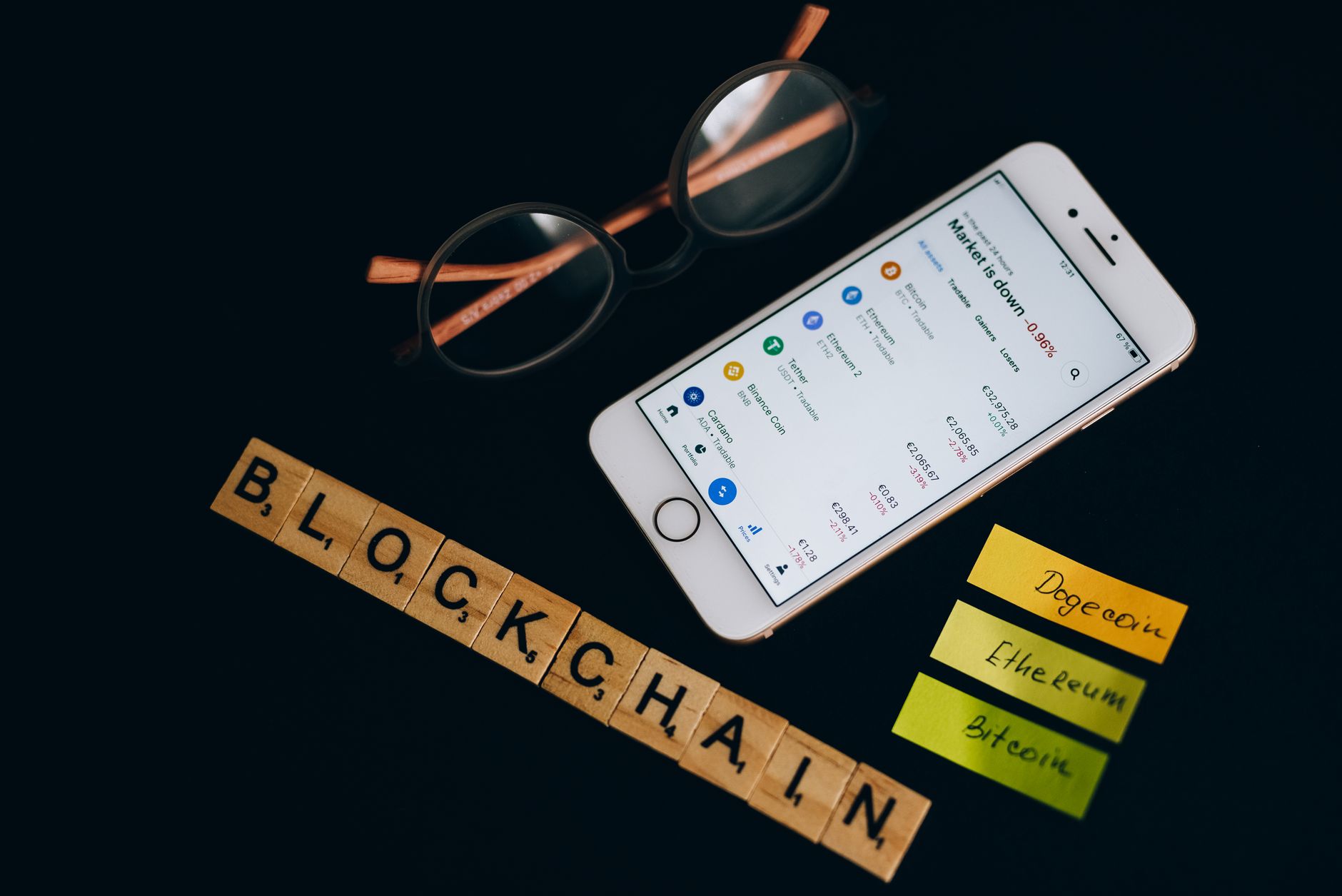
Ethereum hosts most decentralized finance activity and tokenized assets. It switched to proof-of-stake in 2022, which lets ETH holders earn staking rewards through validators or liquid staking platforms. Staking yields fluctuate, commonly between 2% and 4% APY in early 2026 depending on network activity and provider fees. If you want to buy ETH, start with our guide to buying Ethereum.
Base-layer fees remain a weakness. A simple Ethereum transaction costs $2 to $8 when gas is calm. Complex smart contract interactions can cost $20 to $50. That is why traders use layer 2 networks or hold ETH on exchanges for active trading. Staking through a centralized platform often has different fee structures, so compare options before locking tokens.
Regulatory clarity improved after Ethereum transitioned away from mining. The SEC has said most ETH transactions are not securities transactions, though staking-as-a-service products face separate scrutiny. In Canada, ETH is treated as property for tax purposes.
Ethereum also underpins stablecoin liquidity. Most USDC and USDT supply circulates as ERC-20 tokens. That means an Ethereum wallet is a common bridge between exchanges and DeFi. But using Ethereum for a $50 stablecoin transfer can cost more than the transfer itself. Check the network before you send. Layer 2 networks like Base and Arbitrum reduce this cost to under $0.10 for simple transfers.
Key strengths:
- ✅ Largest smart contract platform with deep DeFi lending and trading liquidity.
- ✅ Earn 2% to 4% staking APY through validators or liquid staking.
- ✅ Broad developer support and mature layer 2 scaling options.
- ✅ Strong regulatory recognition in US and Canada relative to smaller altcoins.
- ✅ Token standard ERC-20 powers most stablecoins and tokenized assets.
- ❌ High base-layer gas fees make small transactions expensive.
- ❌ Mainnet transaction speed remains limited without layer 2.
- ❌ Staking unlocks rewards but introduces slashing and liquidity lock-up risk.
Who it’s for: Choose Ethereum if you want exposure to smart contracts, DeFi, and staking yield, and you can manage higher gas costs.
3. Solana (SOL) , Best for Low-Cost Trading and Fast Settlements
Solana is built for speed. The network processes thousands of transactions per second and average transaction fees remain around $0.00025. That makes it a useful chain for high-frequency trading, NFT minting, and small DeFi positions. If you want to buy SOL, see our guide to buying Solana.
However, Solana has a shorter track record than Bitcoin or Ethereum. It experienced multiple network outages in past years, though performance improved significantly through 2025. The asset also carries very high volatility. A 15% daily move is not unusual. Use a stop-loss plan if you trade it actively. Our stop-loss and take-profit guide can help.
Many tokens issued on Solana may be securities under US law. SOL itself is often treated like a commodity in practice, but the SEC has not always made that explicit. Canadian platforms list SOL widely, but tax reporting still requires tracking every swap.
Solana staking works differently from Ethereum. Validators often charge 0% to 8% commission on staking rewards. Native staking can yield around 6% to 8% APY before commission, but rewards come with lock-up and inflation. Liquid staking tokens like jitoSOL introduce additional smart contract risk. Do not treat the higher staking yield as risk-free.
Key strengths:
- ✅ Extremely low transaction fees, usually under a cent.
- ✅ Fast finality supports high-frequency and low-cost strategies.
- ✅ Large retail DeFi and NFT user base.
- ✅ Widespread exchange support in Canada and the US.
- ✅ Low fee makes small position sizing more practical.
- ❌ Higher network outage risk historically than Ethereum or Bitcoin.
- ❌ Very high asset volatility.
- ❌ Regulatory status for Solana-based tokens remains less settled.
Who it’s for: Choose Solana if you trade frequently, need low fees, and accept higher risk from a younger network.
4. Stablecoins (USDC, USDT) , Best for Trading Pairs and Volatility Management
Stablecoins peg to a fiat currency, usually the US dollar. USDC and USDT dominate trading pairs across centralized exchanges. A trader can move gains into USDC during a market selloff without going back to CAD or USD. USDC has historically maintained a 1:1 redemption with Circle, while USDT has faced reserve transparency questions.
Not all stablecoins are equal. Algorithmic stablecoins collapsed in 2022, and some yield products hide credit risk. In Canada, FINTRAC regulates platforms that deal in virtual currencies, but stablecoin reserves themselves fall under a patchwork of rules. US regulators are increasingly focused on redemption rights and what happens in a bank run.
Use stablecoins for trading pairs, not as a guaranteed savings account. If a stablecoin depegs 3%, a 1:1 cash plan breaks. Check monthly reserve reports and redemption terms before holding large balances.
Canadian exchanges often support USDC/CAD and USDT/CAD pairs with CAD funding and withdrawal. Withdrawal limits vary widely by platform and verification tier. A basic account may allow $5,000 CAD daily, while a verified institution can move millions. Check limits before you park large balances.
Key strengths:
- ✅ Low volatility relative to base-layer coins.
- ✅ Fast and cheap to move on networks like Solana and Ethereum layer 2s.
- ✅ Standard quote asset for most BTC, ETH, and SOL trading pairs.
- ✅ Easy conversion back to CAD or USD through regulated exchanges.
- ✅ Useful for parking profits between trades.
- ❌ Counterparty and reserve risk if issuer faces bank or legal trouble.
- ❌ Yield products involving stablecoins can hide credit or liquidity risk.
- ❌ Not all stablecoins have clear redemption guarantees in Canada.
Who it’s for: Choose stablecoins if you need a low-volatility trading vehicle or an on-ramp between crypto and fiat.
5. Tokenized Real-World Assets (RWAs) , Best for Traditional Yield Exposure
Tokenized real-world assets bring bonds, private credit, real estate, and commodities onto blockchain rails. Instead of buying a fund through a broker, an investor holds a token representing a share of a treasury bill or a rental property. Early 2026 data from CoinGecko and Messari shows tokenized treasury products crossing $2 billion in total value, with total RWA tokens exceeding $10 billion.
These assets are not for beginners. Tokenized securities often fall under SEC jurisdiction in the US. In Canada, they may be subject to provincial securities regulators and KYC rules. A tokenized bond can look like a stablecoin but carry interest rate risk and default risk. Adding leverage makes it worse.
Fees vary widely. Some platforms charge 0.3% to 1% annually, plus on-chain gas. Others embed fees in the token price. Always compare the underlying yield after fees, not the advertised gross yield. Custody is also harder because tokenized securities often require whitelisted wallets.
Some tokenized treasury products pay monthly yields that track short-term government rates. After platform fees, net yield has ranged from 3% to 5% in recent years. That compares well with traditional high-interest savings, but it is not risk-free. The token itself may be illiquid, and redemption windows can stretch for days. Read the issuer’s terms before buying. Also note that holding a tokenized security may require an accredited investor status in some provinces and US states.
Key strengths:
- ✅ Exposure to bonds, credit, and real estate without leaving a crypto wallet.
- ✅ Lower minimums than traditional private credit in many cases.
- ✅ Potential yield after fees can exceed staking rewards in low-rate markets.
- ✅ Transparent on-chain ownership and settlement.
- ❌ Likely security treatment under SEC and Canadian provincial rules.
- ❌ Liquidity can dry up quickly in market stress.
- ❌ Higher legal, counterparty, and platform risk than base-layer coins.
Who it’s for: Choose tokenized real-world assets if you want traditional yield exposure and can handle securities rules and limited liquidity.
Frequently Asked Questions
What is a digital asset?
A digital asset is any asset issued or represented on a blockchain. It includes cryptocurrencies like Bitcoin and Ethereum, stablecoins, and tokenized versions of stocks, bonds, or real estate. Ownership is recorded on a distributed ledger.
How are digital assets taxed in Canada?
The Canada Revenue Agency treats digital assets as property, not legal tender. Selling, trading, or spending them can trigger a capital gain or business income depending on your activity. You must report the value in Canadian dollars.
Do US taxpayers report digital asset gains?
Yes. The IRS requires reporting of virtual currency transactions. Capital gains and losses apply when you sell, trade, or otherwise dispose of digital assets. Income from mining, staking, or airdrops is also taxable.
Which digital asset is best for beginners?
Bitcoin is usually the simplest starting point because of deep liquidity and broad exchange support. Beginners should use a regulated Canadian or US exchange and start with small amounts they can afford to lose.
Are stablecoins safe?
Stablecoins are less volatile than Bitcoin but carry issuer risk. Always check reserve reports, redemption rights, and whether the issuer is regulated. Do not treat any stablecoin as a guaranteed bank deposit.
Can I self-custody all digital assets?
You can self-custody most base-layer coins and stablecoins in a hardware wallet. Tokenized securities often require whitelisted wallets and may not support self-custody on all chains. Always confirm wallet support before transferring.
What Should You Remember?
- Bitcoin delivers the deepest liquidity and longest track record, but on-chain fees can spike above $20.
- Ethereum powers most DeFi and smart contracts while offering 2% to 4% staking APY.
- Solana keeps fees around $0.00025 but carries higher volatility and a shorter uptime history.
- Stablecoins work best as trading pairs and short-term parking, not as guaranteed savings.
- Tokenized real-world assets add traditional yield but come with securities laws and liquidity risk.
- Taxes apply when you sell, trade, or spend digital assets under both CRA and IRS rules.
This content is for general information and education only, not financial, investment, or tax advice. Cryptocurrency is volatile and you can lose money. Always do your own research and consult a licensed financial or tax professional before making decisions. Nothing here is a recommendation to buy, sell, or hold any asset.