Free crypto sounds too good to be true. Yet every year, billions of dollars in tokens get dropped into wallets that did nothing but hold the right asset or sign up early. In 2025 alone, airdrops distributed over $4.2 billion across major protocols, according to data tracked on CoinGecko. That number keeps climbing as more projects use airdrops to bootstrap liquidity and reward early users.
The catch? Scams outnumber legit opportunities by a wide margin. Phishing sites, fake contracts, and wallet drainers steal millions from traders who skip basic verification. For Canadian traders, there’s also the CRA to think about. Airdropped tokens aren’t tax-free gifts. They count as income, and the CRA’s cryptocurrency guide spells out exactly how to handle them.
This guide covers what airdrops actually are, where to find them in 2026, how to claim safely, and what to do when tax season rolls around. You’ll learn the red flags that separate real projects from honeypots, and you’ll get a practical checklist for your next claim. Whether you’re a seasoned trader or just getting started on a beginner-friendly exchange, this is your playbook for free tokens done right.
| Platform | Best For | Verification Level | Typical Airdrop Value |
|---|---|---|---|
| CoinGecko | Finding verified campaigns | High | $50 - $500 |
| CoinMarketCap | Cross-referencing listings | High | $50 - $500 |
| Project Discord | Early access to new drops | Medium | $100 - $2,000 |
| Twitter/X | Community sentiment and alerts | Low | $10 - $100 |
| Airdrop aggregators | Task-based opportunities | Medium | $5 - $200 |
What Exactly Are Crypto Airdrops?
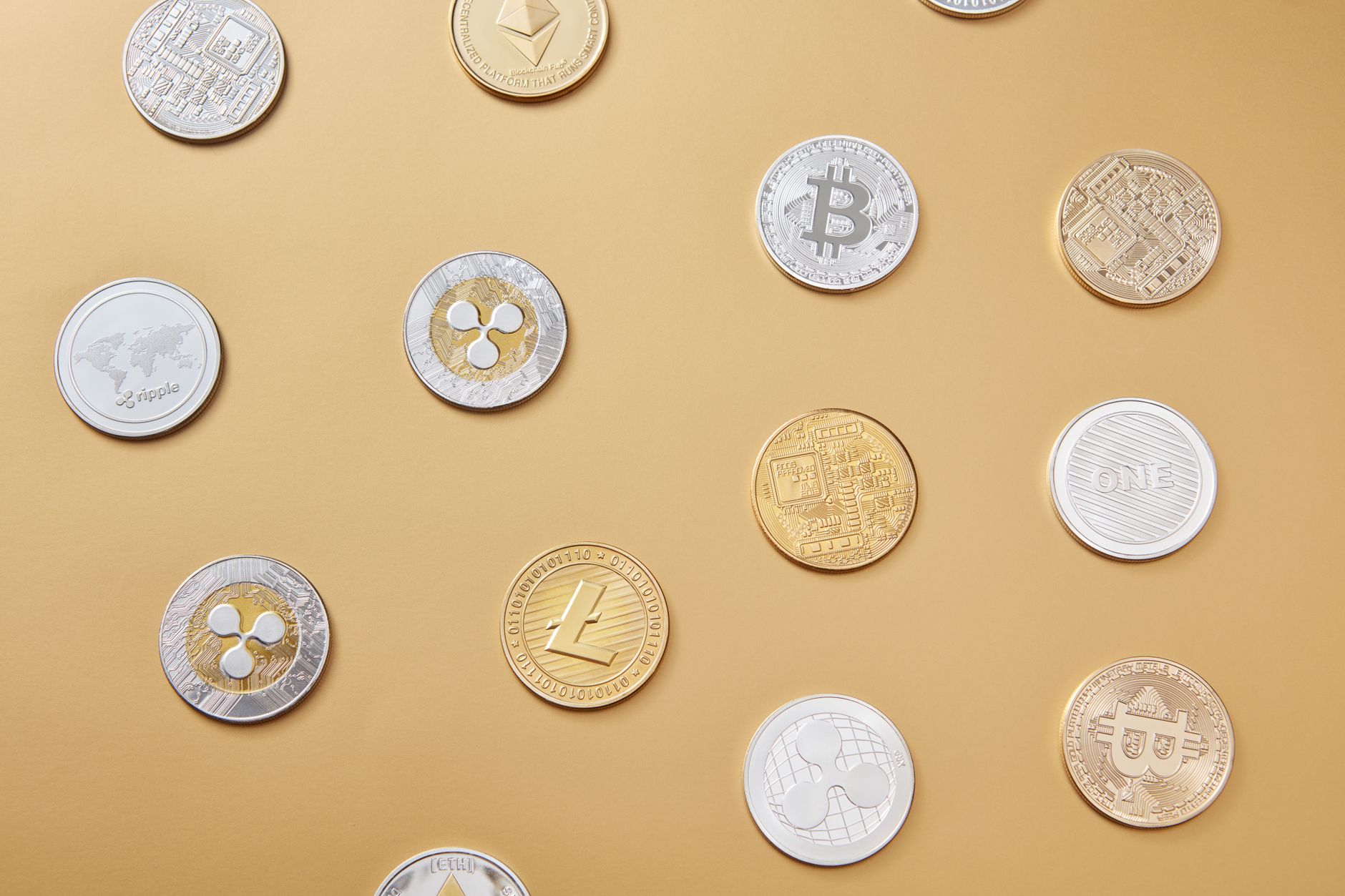
A crypto airdrop is a distribution of free tokens to wallet addresses. Projects use them to generate buzz, reward loyal users, or decentralize governance. Think of it as a marketing budget paid in native tokens instead of dollars. The mechanics are simple: you hold a qualifying asset or complete a task, and the project sends tokens to your wallet.
- Retroactive airdrops reward past users. Uniswap’s 2020 drop gave $1,200 to early users, and some later airdrops exceeded $10,000 per wallet.
- Task-based airdrops require actions like following Twitter, joining Discord, or testing a testnet. These are easier to qualify for but often pay less.
- Holder airdrops automatically snapshot wallets holding a specific token. For example, Solana ecosystem projects often snapshot SOL holders.
- Fork airdrops happen when a blockchain splits. Bitcoin Cash holders received free BCH in 2017, and Ethereum holders got Ethereum Classic.
How Do I Find Legitimate Airdrops in 2026?

Finding real airdrops starts with the right sources. Aggregators like CoinMarketCap and CoinGecko maintain dedicated airdrop trackers. These platforms verify projects before listing them, which filters out a lot of junk. Still, even verified listings can lead to sketchy websites, so cross-check everything.
- Check the project’s official website and compare the contract address with what’s listed on aggregators.
- Join the project’s Discord and Twitter. Legit teams post announcements there first, and you can spot community sentiment.
- Follow crypto influencers who specialize in airdrop hunting. Many share early-stage opportunities before they hit aggregators.
- Use tools like Etherscan and Solscan to verify token contracts. A contract with no liquidity or no verified source code is a red flag.
What Are the Biggest Airdrop Scams to Avoid?
Scammers know airdrops attract hungry traders. The most common trick is a fake website that looks identical to a real project’s site. You connect your wallet, approve a transaction, and your funds vanish. Another popular scam asks you to send ETH to ‘activate’ your claim. No legit project does this.
- Phishing sites that clone official domains. Always type the URL manually or use a bookmark.
- Fake social media accounts that announce ‘surprise airdrops’ and link to malicious sites.
- Wallet drainers that ask for unlimited token approvals. Revoke permissions after claiming using tools like Revoke.cash.
- Impersonation in Discord DMs. Team members will never DM you first asking for your seed phrase.
How Should I Claim an Airdrop Safely?
Start with a dedicated wallet. Create a fresh MetaMask or Phantom wallet with no funds beyond what you’re willing to lose. This isolates your main holdings from any malicious contract. Next, verify the claim URL. Bookmark the official site from the project’s Twitter or Discord, never from a search ad.
- Use a hardware wallet like Ledger or Trezor for high-value claims. The device signs transactions offline, so even if your computer is compromised, your keys stay safe.
- Check the transaction details before signing. If it asks for unlimited token approval, deny it and look for a ‘set approval limit’ option.
- After claiming, revoke any approvals you granted. This prevents future drain attempts.
- Never paste your seed phrase into any website, even one that looks official. Your seed phrase is for your wallet app only.
What Are the Tax Implications for Canadian Traders?
The CRA doesn’t mess around with crypto. According to the CRA’s digital currency page, airdrops are treated as income at their fair market value on the date you receive them. That means you owe tax on the value of the tokens, even if you haven’t sold them yet.
- Report airdrop income on your T1 tax return under ‘Other Income’ (line 13000).
- If you hold the tokens and sell later, the difference between your cost basis and sale price is a capital gain or loss. See the CRA capital gains page for details.
- Keep a spreadsheet with the date, token name, quantity, and fair market value of every airdrop. You’ll need this for tax season.
- Consider using crypto tax software like Koinly or Cointracking to automate the math. For more, read our CRA crypto tax guide.
Should I Participate in Airdrops or Just Buy Tokens?
Both strategies have merit. Airdrops cost you time and attention, not money. Buying tokens costs capital but lets you pick winners. For most traders, a mix works best. Use airdrops to build a free portfolio while you allocate real funds to proven assets through a top-rated Canadian exchange.
- Airdrops have no downside risk beyond your time, but the upside is capped by how many you qualify for.
- Buying tokens gives you full control over entry and exit, but you bear the market risk.
- A hybrid approach: hold blue-chip assets like BTC and ETH, and use airdrops as a bonus yield stream.
- Remember, airdrop income is taxable, so factor that into your expected returns.
Frequently Asked Questions
Are crypto airdrops taxable in Canada?
Yes. The CRA treats airdropped tokens as income at their fair market value when you receive them. If you later sell them for a profit, that gain is subject to capital gains tax. Keep records of the date, value, and source of every airdrop.
How do I find legitimate crypto airdrops?
Use trusted aggregators like CoinGecko and CoinMarketCap, which list verified airdrop campaigns. Follow official project Twitter and Discord channels. Avoid random links sent via DM or email, as these are almost always scams.
Do I need to pay to claim an airdrop?
No. Legitimate airdrops are free. If a site asks you to send ETH or BNB to ‘cover gas fees’ before receiving tokens, it’s a scam. Real airdrops only require a wallet connection, and gas fees are paid by the project or deducted from your claim automatically.
What wallet is best for claiming airdrops?
Use a non-custodial wallet like MetaMask, Phantom, or Trust Wallet. Create a fresh wallet specifically for airdrops and keep only small amounts inside. This limits your risk if you accidentally interact with a malicious contract.
Can I get airdrops without holding any crypto?
Some airdrops require you to hold a specific token, like ETH or SOL. Others are available to anyone who completes social tasks or signs up early. Check the eligibility criteria on the project’s official page before participating.
What Should You Remember?
- Airdrops are free tokens but not free money. They’re marketing tools that require your attention and sometimes active participation.
- Use trusted aggregators like CoinGecko and CoinMarketCap to find verified campaigns. Avoid random links from social media DMs.
- Never share your private keys or seed phrase. No legitimate airdrop will ever ask for them.
- Create a dedicated wallet for airdrop claims. Keep only small amounts inside to limit your exposure to malicious contracts.
- CRA taxes airdrops as income at fair market value. Track every claim and keep records for your tax return.
- Beware of gas fee scams. Legitimate airdrops never ask you to send crypto upfront to unlock your tokens.
- Check contract addresses on the project’s official site before connecting your wallet. One wrong click can drain your funds.
Disclaimer: This article is for informational purposes only and does not constitute financial or tax advice.