Meme coins have taken the crypto world by storm. From Dogecoin’s rise to a $90 billion market cap in 2021 to Shiba Inu’s insane 40 million percent rally that same year, these joke coins have made some people rich. But for every winner, there are thousands of losers. The truth is, most meme coins lose 90% of their value within months. Still, the allure of quick riches keeps pulling in new traders.
If you’re a Canadian trader looking at meme coins in 2026, you need a clear picture. This guide breaks down what meme coins actually are, the real risks you’re taking, and the exact steps to buy them. We’ll also cover the CRA tax rules you can’t ignore. By the end, you’ll know whether meme coins fit your strategy or if you should stick with more established crypto assets.
Here’s the thing. Meme coins aren’t going away. New ones launch every single day. The question isn’t whether you can make money, it’s whether you can survive the volatility. Let’s get into it.
| Meme Coin | Launch Year | Peak Market Cap | Current Status |
|---|---|---|---|
| Dogecoin (DOGE) | 2013 | $90 billion (2021) | Still active, but down 85% from peak |
| Shiba Inu (SHIB) | 2020 | $41 billion (2021) | Active, but down 90% from peak |
| Pepe (PEPE) | 2023 | $1.6 billion (2024) | Active, highly volatile |
| Bonk (BONK) | 2022 | $2 billion (2024) | Active, community-driven |
| Squid Game (SQUID) | 2021 | $100 million (2021) | Rug pulled, worthless |
What Exactly Are Meme Coins?
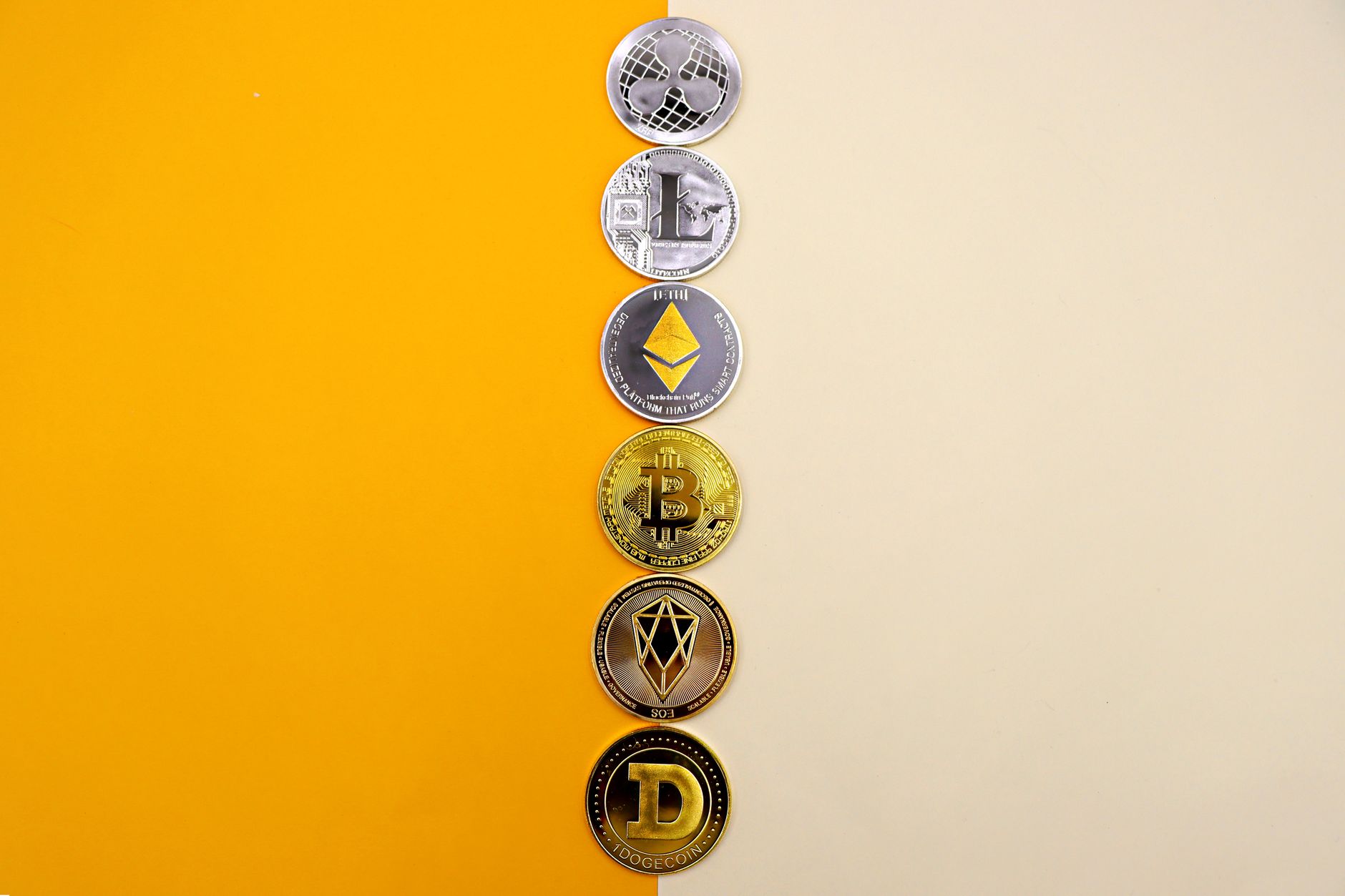
Meme coins are cryptocurrencies created from internet jokes, memes, or cultural moments. They don’t usually solve a real-world problem or offer unique technology. Instead, they rely on community hype and social media virality to gain value. Dogecoin started as a parody of Bitcoin in 2013. Shiba Inu followed in 2020 as a Dogecoin competitor. Since then, thousands of copycats have appeared, from Pepe to Dogwifhat.
- Dogecoin (DOGE) started as a joke but hit a market cap of $90 billion in May 2021.
- Shiba Inu (SHIB) rallied over 40 million percent in 2021, turning $100 into $40 million at the peak.
- Most meme coins have no development team, no roadmap, and no real product. They’re pure speculation.
- New meme coins launch constantly. Many are dead within weeks.
- Some meme coins are tied to celebrities or influencers. That doesn’t make them safe.
Why Do Meme Coins Explode in Popularity?

Meme coins ride on social media momentum. Elon Musk tweets about Dogecoin, and the price jumps. A TikTok influencer mentions a new coin, and it goes parabolic. The community acts like a cult, pumping each other up and encouraging new buyers. This creates a feedback loop. More hype brings more buyers. More buyers push the price up. That attracts even more attention. But the loop can reverse just as fast.
- Elon Musk’s tweets have moved Dogecoin’s price by double digits multiple times.
- In 2021, Dogecoin gained 12,000% in just a few months.
- A single viral TikTok can send a small meme coin up 500% in a day.
- The average meme coin lifespan is under 12 months. Most die within 6.
- Community hype is the only real driver. There’s no earnings report or product launch.
What Are the Real Risks of Meme Coins?

The risks are massive. First, volatility. Meme coins can drop 50% in a single day. There’s no floor. Second, scams. Rug pulls happen when developers dump their holdings and disappear. Over $2.8 billion was lost to crypto scams in 2023, according to the FBI. Third, liquidity issues. You might not be able to sell when you want to. Thin order books mean your sell order can crash the price further.
- Rug pulls: Developers vanish with investor funds. Squid Game token dropped 99.99% in minutes.
- Pump-and-dump schemes: Insiders inflate the price, then sell. Retail investors get left holding worthless coins.
- Regulatory risk: The CRA and other regulators are cracking down on crypto. New rules could hurt meme coin trading.
- Exchange delistings: If a coin gets delisted, you might lose access to your funds.
- Zero utility: Most meme coins have no use case. When hype fades, the price goes to zero.
- Whale manipulation: Large holders can dump at any time, crashing the price.
How Do Canadian Tax Rules Apply to Meme Coins?
The CRA treats cryptocurrency as a commodity, not currency. That means every trade is a taxable event. If you buy a meme coin and sell it for a profit, you’ve realized a capital gain. You owe tax on 50% of that gain. If you trade frequently, the CRA might classify your activity as business income. Then you pay tax on 100% of your profits. Check the CRA digital currency page for full details.
- Capital gains tax applies to 50% of your profit at your marginal rate.
- If you trade daily or weekly, the CRA may treat it as business income. That’s taxed at 100%.
- You must report every trade, even if you swap one coin for another. That’s a taxable event.
- Keep records of all transactions: dates, amounts, and values in CAD.
- Losses can be used to offset gains. But you can’t deduct losses from meme coin gambling if the CRA sees it as a hobby.
- The CRA has a dedicated crypto guide for taxpayers.
How Can You Buy Meme Coins in Canada for 2026?

Start by choosing a reputable exchange. For Canadian traders, options like Kraken, Binance, or CoinSmart work well. You’ll need to complete KYC verification. Then deposit Canadian dollars via bank transfer or credit card. Once your funds are in, search for the meme coin you want. Most major meme coins like DOGE, SHIB, and PEPE are available on these platforms. For newer coins, you might need a decentralized exchange like Uniswap. That’s more complicated and riskier.
- Step 1: Pick an exchange. Compare fees and security on our exchange guide.
- Step 2: Complete identity verification. This takes a few minutes to a few days.
- Step 3: Deposit CAD. Bank transfers are usually cheapest.
- Step 4: Buy your meme coin. Use a market order for speed or a limit order for price control.
- Step 5: Withdraw to a private wallet. Don’t leave funds on the exchange. Check our security guide for tips.
- Step 6: Track your trades for tax season. Use a crypto tax tool or a spreadsheet.
What Trading Strategies Work for Meme Coins?
Honestly, most serious traders avoid meme coins. But if you insist, there are approaches. Day trading is one option. You buy and sell within hours or minutes, trying to catch small swings. That works better with meme coins because they move a lot. Swing trading is another. You hold for days or weeks, betting on a hype cycle. But both strategies require discipline and a solid risk management plan. Check our trading strategies guide for more depth.
- Momentum trading: Ride the wave when a meme coin starts trending. Get out before the crash.
- Scalping: Make many small trades to capture tiny price movements. High effort, high stress.
- Position trading: Hold through the hype and hope for a bigger rally. Very risky.
- Set stop-losses: Always have an exit plan. A 20% stop-loss can save you from a 90% crash.
- Use TradingView for chart analysis. Their pricing page shows free and paid tiers.
- Never average down on a losing meme coin. That’s how you blow up your account.
Frequently Asked Questions
What is a meme coin?
A meme coin is a cryptocurrency that starts from an internet joke, meme, or cultural trend rather than a serious technological use case. Dogecoin is the most famous example, but there are thousands of others. Their value is driven by hype, social media buzz, and community sentiment rather than underlying utility.
Are meme coins legal in Canada?
Yes, buying and trading meme coins is legal in Canada. However, you must report your gains and losses to the CRA. The CRA treats cryptocurrency like a commodity, so any profit you make is subject to capital gains tax. Keep records of every trade to stay compliant.
How do I buy meme coins in Canada?
You can buy meme coins on major exchanges like Binance, Kraken, or CoinSmart. Create an account, complete verification, deposit Canadian dollars, and then trade for the meme coin you want. Always withdraw your coins to a private wallet you control for better security.
What are the biggest risks of meme coins?
The biggest risks are extreme volatility, pump-and-dump schemes, and rug pulls. Many meme coins have no real value and can drop 80% or more in a single day. Liquidity can also be thin, making it hard to sell when you want to. You could lose your entire investment.
Can I lose more than I invest in meme coins?
No, you can’t lose more than you put in. The maximum loss is 100% of your investment. But that’s still a real possibility. Unlike stocks, meme coins have no underlying business or earnings to support their price. The hype can vanish overnight.
What Should You Remember?
- Meme coins are speculative: They’re driven by hype, not fundamentals. Most have no real use case beyond the joke.
- Volatility is extreme: Prices can swing 50% or more in a day. Dogecoin once dropped 40% in 24 hours.
- Scams are everywhere: Rug pulls and pump-and-dump schemes are common. Over $2.8 billion was lost to crypto scams in 2023.
- CRA taxes apply: You must report gains and losses. The CRA treats crypto as property, not currency.
- Use reputable exchanges: Stick with platforms like Kraken or Binance. Avoid unknown apps promising free coins.
- Only risk what you can lose: Never put your rent money or savings into meme coins. Treat it like a lottery ticket.
- Store coins securely: Move them to a hardware wallet like Ledger or Trezor. Exchange hacks are real.
Disclaimer: This article is for informational purposes only and does not constitute financial or tax advice.