Decentralized exchanges have come a long way since Uniswap launched in 2018. Back then, you were lucky to get a few thousand dollars of liquidity on any given pair. Fast forward to 2026, and DEXs are moving billions daily. The total value locked across all DeFi protocols sits at roughly $98 billion, and a huge chunk of that lives on automated market makers like Uniswap and Curve.
The appeal is obvious. No KYC, no withdrawal limits, no one freezing your funds. You connect a wallet, swap, and walk away. But that freedom comes with its own headaches. Slippage, gas fees, impermanent loss, and the constant threat of smart contract exploits. The CRA doesn’t care about any of that. According to the CRA’s digital currency page, every swap you make on a DEX is a taxable disposition. You’re on the hook for capital gains on each trade, whether you used a centralized exchange or not.
So which DEX actually deserves your money in 2026? That depends on what you’re trading. Swapping obscure altcoins? Uniswap’s got the deepest pools. Trading stablecoins? Curve’s low fees win. Want leverage without giving up custody? dYdX is your play. We’ve broken down the top five platforms with real numbers, honest pros and cons, and the tax implications you can’t ignore.
One thing to keep in mind before we dive in. The DEX landscape shifts fast. New protocols launch, old ones get exploited, and fee structures change overnight. This comparison reflects data from early 2026, but you should always check current conditions. CoinGecko and CoinMarketCap are solid for live volume and TVL numbers. And if you’re new to self-custody, read our crypto wallets guide before you move funds anywhere.
Now let’s get into the rankings.
How Do the Top Options Compare?
| DEX | Best For | Swap Fee | Chain | TVL |
|---|---|---|---|---|
| Uniswap | General swaps, altcoins | 0.3% | Ethereum, Arbitrum, Optimism | $5.2B |
| Curve Finance | Stablecoin swaps | 0.04% | Ethereum, Polygon, Arbitrum | $3.1B |
| dYdX | Perpetual futures | 0.05% taker | dYdX Chain | $1.8B |
| PancakeSwap | BNB Chain trading | 0.25% | BNB Chain | $1.4B |
| 1inch | Aggregation, best prices | 0.1% + network | Multi-chain | N/A |
TVL data sourced from DefiLlama as of February 2026. Fees are base rates and may vary by pool or tier. Always check the protocol’s current fee structure before trading.
1. Uniswap , Best Overall DEX for Altcoin Swaps
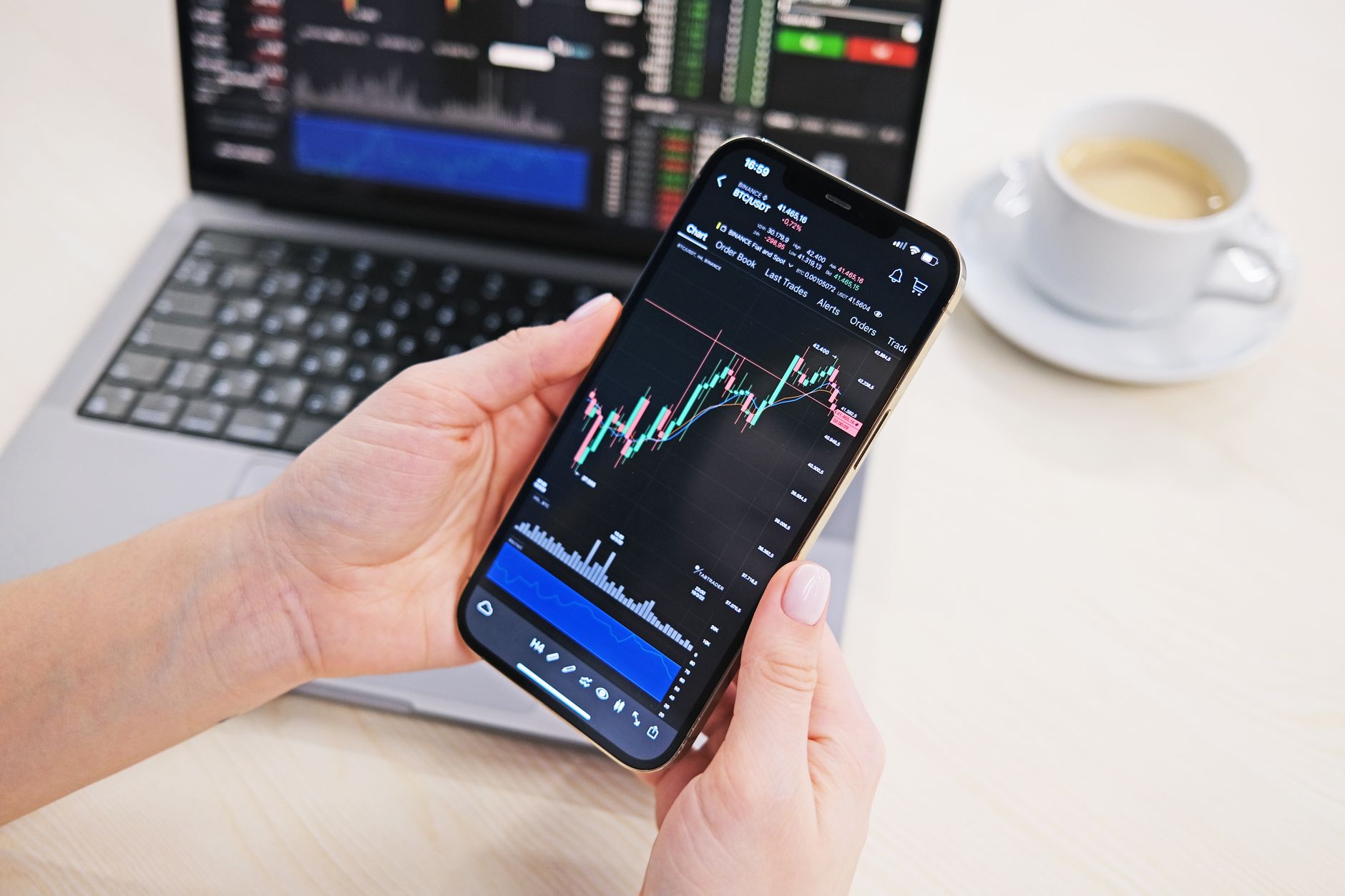
Uniswap is the godfather of automated market makers, and it’s still the king in 2026. The protocol handles roughly $2.4 billion in daily volume across Ethereum, Arbitrum, Optimism, and Base. You’ll find liquidity for just about any ERC-20 token that exists, from blue chips like ETH and USDC to obscure meme coins that launched last week.
Key strengths:
- ✅ Deepest liquidity on Ethereum for most token pairs
- ✅ Simple, intuitive interface that anyone can use
- ✅ Uniswap V4 introduced custom hooks for advanced strategies
- ✅ No listing process. Any token can be traded instantly
- ✅ Extensive Layer 2 support with low gas fees
- ❌ 0.3% standard fee is higher than some competitors
- ❌ Gas fees on Ethereum mainnet can spike during congestion
- ❌ Impermanent loss risk if you provide liquidity
Who it’s for: Traders who want the widest selection of tokens with reliable liquidity and don’t mind paying slightly higher fees for the convenience.
2. Curve Finance , Best for Stablecoin Swaps
Curve is the specialist you call when you need to swap stablecoins without getting wrecked on slippage. The protocol’s concentrated liquidity design means you can trade USDC to DAI with fees as low as 0.04%. That’s a fraction of what Uniswap charges. Curve holds over $3 billion in total value locked, making it one of the largest DeFi protocols still standing.
Key strengths:
- ✅ Ultra-low fees on stablecoin pairs, often under 0.1%
- ✅ Minimal slippage even on large trades
- ✅ CRV token holders earn trading fee rebates
- ✅ Cross-chain pools on Arbitrum, Polygon, and Optimism
- ❌ Limited to stablecoins and pegged assets for the best rates
- ❌ Convex and other yield farming layers add complexity
- ❌ Interface feels dated compared to Uniswap
Who it’s for: Traders and yield farmers who move large stablecoin positions and need minimal price impact with rock-bottom fees.
3. dYdX , Best for Perpetual Futures
dYdX isn’t your typical DEX. There’s no swapping tokens here. Instead, it’s a full-blown derivatives platform where you can trade perpetual futures with up to 25x leverage. The catch? Your funds stay in your wallet. dYdX uses a non-custodial order book model, so you never deposit assets with the protocol. That’s a massive security win over centralized futures exchanges.
Key strengths:
- ✅ Up to 25x leverage on major pairs like BTC and ETH
- ✅ Non-custodial. Your funds never leave your wallet
- ✅ Order book model gives tighter spreads than AMMs
- ✅ 0.05% taker fee is competitive with centralized exchanges
- ❌ Steep learning curve for futures beginners
- ❌ Limited to a handful of major trading pairs
- ❌ Liquidation risk is real. Leverage cuts both ways
Who it’s for: Experienced traders who want leverage without trusting a centralized exchange with their funds. If you’re new to futures, start with our futures trading guide first.
4. PancakeSwap , Best for BNB Chain Trading
PancakeSwap is the Uniswap of BNB Chain, and it’s not even close. The protocol has over 4 million monthly active users and consistently ranks in the top three DEXs by daily volume. Swap fees sit at a flat 0.25%, which undercuts Uniswap’s standard rate. You also get yield farming, lottery games, and NFT marketplaces all in one platform.
Key strengths:
- ✅ Lower swap fees than Uniswap at 0.25%
- ✅ Fast and cheap transactions on BNB Chain
- ✅ Integrated yield farming with high APRs on CAKE pairs
- ✅ Simple, gamified interface that’s beginner-friendly
- ❌ BNB Chain’s security history is spotty compared to Ethereum
- ❌ CAKE token has underperformed relative to other DeFi tokens
- ❌ Token selection is smaller than Uniswap’s
Who it’s for: Traders who prefer BNB Chain’s low fees and fast confirmation times, or who want to farm CAKE and other BEP-20 tokens.
5. 1inch , Best for Getting the Best Price
1inch isn’t a single DEX. It’s an aggregator that scans dozens of liquidity sources and routes your trade through the cheapest path. One swap on 1inch might split across Uniswap, Curve, Balancer, and a dozen other protocols to minimize slippage. The result is consistently better prices than trading directly on any single platform.
Key strengths:
- ✅ Always finds the best available price across multiple DEXs
- ✅ Supports 10+ different chains including Ethereum, Arbitrum, Polygon, and more
- ✅ 1inch Fusion mode offers gasless swaps with MEV protection
- ✅ No registration or KYC required
- ❌ Charges a 0.1% protocol fee on top of network fees
- ❌ Complex routing can occasionally fail on illiquid tokens
- ❌ You still need to pay gas fees on the underlying chain
Who it’s for: Traders who want the best execution price on every swap and don’t mind paying a small aggregator fee for the optimization. If you’re actively trading, this is worth it.
How to Fund Your DEX Trades
You can’t deposit fiat directly into a DEX. You need crypto in your wallet first. The usual route is buying ETH or another token on a centralized exchange, then transferring it to your self-custody wallet. For Canadian traders, regulated exchanges with CAD funding like Kraken or Newton make this process straightforward.
Once your funds are on-chain, you’re ready to trade. Just remember that every transfer, swap, and approval costs gas. On Ethereum mainnet, that can be $5 to $50 depending on network congestion. Layer 2 networks like Arbitrum and Optimism cut those costs to pennies. Most DEXs support L2 networks now, so there’s no reason to pay mainnet gas fees unless you’re trading something that only exists there.
And if you’re moving serious money, use a hardware wallet. The best hardware wallet guide breaks down the top options. Software wallets are convenient, but they’re more vulnerable to phishing and malware.
| Method | Speed | Cost | Best For |
|---|---|---|---|
| Centralized exchange transfer | 5-30 minutes | Network gas fee | Most traders |
| Direct bank purchase via exchange | 1-3 days | Exchange fees + gas | Newcomers |
| Peer-to-peer transfer | Instant | Gas fee only | Already have crypto |
| Layer 2 bridge | 10-20 minutes | Bridge fee + gas | L2 traders |
Frequently Asked Questions
Are DEXs legal in Canada?
Yes, decentralized exchanges are legal in Canada. However, the CRA treats every crypto-to-crypto swap as a taxable disposition. You’ll need to report capital gains or losses on each trade, even if you never convert back to Canadian dollars.
What is the cheapest DEX for 2026?
For Ethereum-based swaps, Uniswap’s 0.3% standard fee is competitive. On BNB Chain, PancakeSwap charges just 0.25%. If you’re trading stablecoins, Curve’s 0.04% fee on certain pools is the lowest you’ll find.
How do DEX fees compare to centralized exchanges?
DEXs typically charge 0.1% to 0.3% per swap, plus network gas fees. Centralized exchanges like Binance or Kraken charge around 0.1% to 0.26%. For small trades, gas fees can make DEXs more expensive. For large trades, DEXs often win on price impact.
Do I need KYC to use a DEX?
No. Most DEXs require no registration or identity verification. You just connect a wallet like MetaMask or Ledger. That said, if you’re looking for privacy-focused options, check out our guide to no-KYC exchanges.
What are the risks of using a DEX?
Smart contract bugs, impermanent loss on liquidity pools, and phishing scams are the big ones. Always verify the contract address and use a hardware wallet. The crypto security guide covers these risks in detail.
What Should You Remember?
- Uniswap remains the market leader with over $2.4 billion in daily volume and the widest token selection on Ethereum.
- Curve Finance is the go-to for stablecoin swaps with fees as low as 0.04% and over $3 billion in total value locked.
- dYdX offers up to 25x leverage on perpetual futures with no custody of your funds, making it the top choice for derivatives traders.
- PancakeSwap dominates BNB Chain with 0.25% swap fees and over 4 million monthly active users.
- CRA reporting applies to every DEX trade. Each swap is a taxable event under Canadian law, so track everything.
- Gas fees on Ethereum can eat small trades alive. Layer 2 solutions like Arbitrum and Optimism cut costs by 90% or more.
Disclaimer: This article is for informational purposes only and does not constitute financial or tax advice.