
Canadian investors face a fork in the road. Do you put your money into stocks, the tried-and-true path, or crypto, the digital wild west? Both have made people wealthy. Both have also wiped out portfolios. The real question isn’t which is better, it’s which fits your goals and risk tolerance.
Here’s the thing: the two asset classes operate on completely different rules. Stocks tie you to company earnings, dividends, and quarterly reports. Crypto runs on blockchain tech, network effects, and pure market sentiment. That means different risks, different rewards, and different tax headaches.
For Canadians, the CRA treats both as capital gains, but the details matter. You’ll need to track every crypto trade, even crypto-to-crypto swaps. Stocks are simpler, especially inside a TFSA or RRSP. This guide breaks down the key differences so you can decide where your next dollar goes.
Before diving in, check out our guide to buying your first Bitcoin and our comparison of top crypto exchanges to understand the practical side of getting started.
| Aspect | Crypto | Stocks |
|---|---|---|
| Trading hours | 24/7, 365 days | Mon-Fri, market hours |
| Volatility | High, 10-30% swings common | Moderate, 1-3% daily moves |
| Regulation | Evolving, provincial oversight | Mature, CSA and CIPF protection |
| Tax treatment | Capital gains, business income for staking | Capital gains, T5008 reporting |
| Underlying value | Network utility, sentiment | Company earnings and assets |
| Best for | Growth, short-term trades | Long-term compounding, dividends |
How Do Crypto and Stocks Differ in Volatility and Risk?
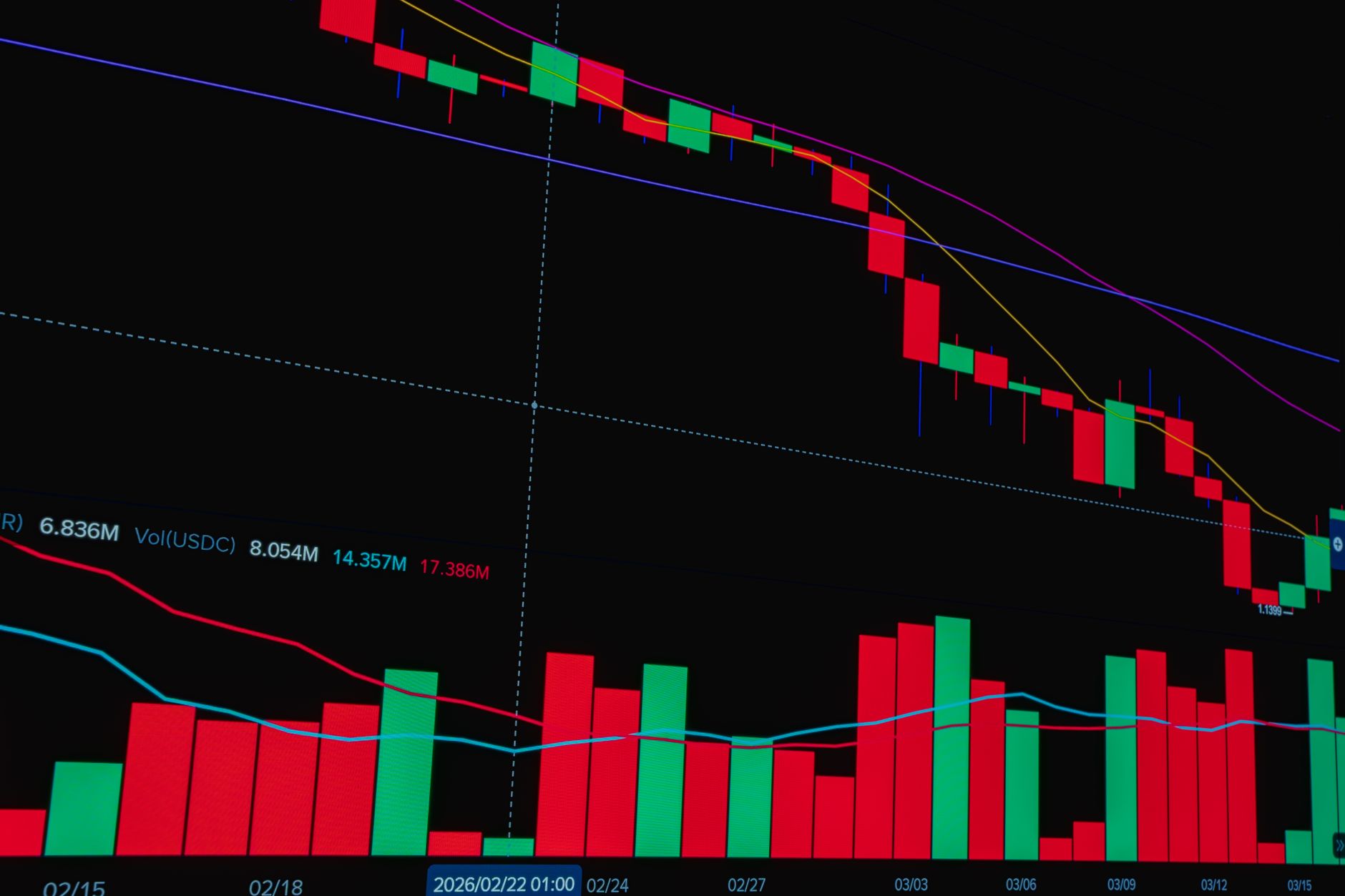
Volatility is the most obvious difference. Crypto can move 10-30% in a single day. Bitcoin alone has seen multiple 50% drawdowns in its history. Stocks, even speculative ones, rarely move that fast. The S&P 500 averages less than 1% daily movement.
That volatility cuts both ways. A crypto position can double your money in a month. It can also halve it overnight. Stocks offer more predictable growth, especially blue chips with steady earnings. But they’re not immune to crashes, as 2008 and 2020 showed.
Risk also comes from the underlying asset. Stocks represent ownership in a company with revenue, assets, and management. Crypto has no intrinsic cash flow. Its value depends entirely on what someone else will pay for it. That’s a fundamental difference that changes how you size positions.
If you’re new to managing this kind of risk, our crypto security guide covers how to protect yourself from exchange hacks and wallet theft.
- Crypto: 24/7 trading, high volatility, no earnings backing
- Stocks: market hours only, lower volatility, company fundamentals
- Crypto: susceptible to exchange hacks and regulatory bans
- Stocks: mature oversight, but vulnerable to economic cycles
What Are the Key Differences in Trading Hours and Liquidity?
Trading hours set crypto and stocks apart in a big way. Crypto exchanges run 24/7, 365 days a year. You can buy Bitcoin at 3 AM on Christmas. Stocks stick to the traditional market schedule, Monday through Friday, 9:30 AM to 4 PM ET. Some brokers offer extended hours, but liquidity thins out.
Liquidity also differs. Major stocks like Apple or Shopify have deep order books, so you can trade large amounts without moving the price. Crypto is liquid for the majors like Bitcoin and Ethereum, but smaller altcoins can have thin books. A big sell order can tank the price.
This 24/7 access can be a trap. It’s easy to overtrade when the market never sleeps. Many crypto traders get caught up in weekend pumps and dumps. Stocks force you to step back and think, which can be a benefit for disciplined investing.
For a deeper look at how to handle these fast moves, check out our crypto trading strategies guide.
- Crypto: trade any hour, any day, including holidays
- Stocks: limited to exchange hours, with thin after-hours trading
- Crypto: global liquidity that shifts across time zones
- Stocks: deep liquidity during core market hours
How Does Regulation Differ Between Crypto and Stocks in Canada?

Stocks operate under mature, well-defined regulation. The Canadian Securities Administrators (CSA) oversees exchanges, brokers, and listed companies. Investor protection is baked in. If a broker fails, the Canadian Investor Protection Fund (CIPF) covers your holdings up to $1 million.
Crypto is still finding its footing. The CSA has been working on rules, and many exchanges now register as restricted dealers. But the landscape shifts fast. Some platforms have collapsed, like FTX and QuadrigaCX, leaving users with nothing. There’s no CIPF equivalent for crypto holdings.
That said, Canadian crypto exchanges like Newton and Wealthsimple’s crypto arm are registered and comply with provincial regulations. The rules are tightening, but they’re not as comprehensive as securities law. You carry more responsibility for your own due diligence.
Taxes are where both intersect. The CRA’s guidance on cryptocurrency treats it as a commodity. That means capital gains rules apply, and you must report every disposition, including crypto-to-crypto trades.
For a full breakdown of what you owe, read our Canadian crypto tax guide.
- Stocks: CSA oversight, CIPF protection, mandatory disclosures
- Crypto: evolving provincial rules, no deposit insurance
- Stocks: insider trading laws are actively enforced
- Crypto: market manipulation is harder to police
Which Asset Class Offers Better Long-Term Growth Potential?
Historical returns tell a compelling story. The S&P 500 has averaged about 10% annually over the long run. Bitcoin has crushed that, but with brutal drawdowns. Since 2011, Bitcoin has returned over 100% annually on average, but it also fell 84% in 2018 and 77% in 2022.
Stocks benefit from compounding. Dividends reinvest, earnings grow, and buybacks reduce share counts. A diversified stock portfolio can grow steadily for decades. Crypto is more binary. It either becomes a global reserve asset or fades into obscurity. The upside is massive, but so is the failure risk.
The smart play for most Canadians is a blend. Use stocks as your foundation for retirement savings. Add a smaller crypto allocation, say 5-10%, for growth potential. That way, a crypto crash hurts but doesn’t derail your long-term plan.
If you’re just starting, our beginner guide to buying Bitcoin walks through the first steps safely.
- Stocks: steady compounding, dividends, 90+ years of data
- Crypto: explosive returns, but extreme drawdowns
- Stocks: easier to value using earnings and cash flow
- Crypto: valuation is speculative and sentiment-driven
What Are the Tax Implications for Crypto vs Stocks in Canada?

The CRA treats both asset classes as capital property. You pay tax on 50% of your capital gains when you sell. For stocks, that’s straightforward. You buy, you sell, you report the difference on Schedule 3 of your tax return.
Crypto gets messier. Every trade is a taxable event. That includes swapping Bitcoin for Ethereum, using crypto to buy goods, or transferring between wallets. The CRA considers all of these dispositions. You need to track your adjusted cost base (ACB) for each asset.
There’s another wrinkle. Crypto staking, lending, and mining income is taxed as business income, not capital gains. That means 100% is taxable, not just half. Stocks don’t have this issue, unless you’re a day trader, in which case the CRA may treat your gains as business income too.
Keep meticulous records. The CRA has increased its scrutiny of crypto transactions, and exchanges now report to them. Our crypto tax guide for Canada explains ACB tracking and reporting in detail.
- Stocks: simple capital gains, T5008 slips from brokers
- Crypto: every trade triggers a taxable event
- Crypto: staking and mining taxed as business income
- Both: losses can offset gains, but rules differ on superficial losses
Frequently Asked Questions
Is crypto riskier than stocks?
Generally yes. Crypto routinely swings 10-30% in a week, while major stock indices move 1-3%. Crypto also faces exchange hacks and regulatory surprises. Stocks have their own risks, but they’re backed by real company earnings and assets.
How are crypto and stock gains taxed in Canada?
The CRA treats both as capital gains. You pay tax on 50% of the profit when you sell. Crypto mining and staking income is taxed as business income, not capital gains. Keep detailed records of every trade.
Can I trade crypto and stocks on the same platform?
Some platforms like Wealthsimple and Questrade offer both. Others specialize. For crypto, dedicated exchanges like Newton or Kraken often have better pricing. For stocks, use a discount broker with low commissions.
Which is better for long-term investing?
Stocks have a longer track record of steady growth and dividend income. Crypto has delivered massive returns in short windows, but it’s also crashed 80% before. A mix of both, weighted toward stocks, suits most long-term investors.
Can I hold crypto in a TFSA or RRSP?
Yes, but only through approved exchange-traded funds (ETFs) like Purpose Bitcoin ETF. Direct crypto holdings don’t qualify for registered accounts. Stocks, ETFs, and mutual funds all qualify for TFSAs and RRSPs.
What Should You Remember?
- Volatility profile differs sharply: crypto can swing 20% in a day, while blue-chip stocks rarely move more than 5%.
- Trading hours separate the two: crypto is 24/7, stocks follow market hours from Monday to Friday.
- Regulatory maturity favors stocks: they have decades of oversight, while crypto rules are still evolving globally.
- Tax treatment is similar in Canada: the CRA taxes both as capital gains, but crypto staking and mining count as business income.
- Fundamental analysis works for stocks via earnings and P/E ratios; crypto relies more on network usage and sentiment.
- Diversification strategy often includes both: stocks anchor portfolios, crypto adds growth potential with higher risk.
Disclaimer: This article is for informational purposes only and does not constitute financial or tax advice.