US crypto traders face a complex tax landscape in 2026. The IRS treats cryptocurrency as property, not currency. That means every sale, trade, or disposal triggers a taxable event. Even swapping one coin for another counts. The rules differ sharply from Canada, where the CRA applies its own framework. For a side-by-side comparison, see our Canada vs US crypto tax guide.
The 2026 rates depend on your filing status and holding period. Assets held over one year qualify for long-term capital gains rates. Assets held one year or less face ordinary income tax rates. The IRS also raised reporting thresholds for third-party platforms. Understanding these numbers before year-end can save you thousands. This guide breaks down the exact figures, brackets, and filing requirements.
| Filing Status | 0% Rate Up To | 15% Rate Up To | 20% Rate Above | Short-Term Max Rate |
|---|---|---|---|---|
| Single | $48,350 | $533,400 | $533,400 | 37% |
| Married Filing Jointly | $96,700 | $1,066,800 | $1,066,800 | 37% |
| Head of Household | $64,750 | $566,700 | $566,700 | 37% |
| Married Filing Separately | $48,350 | $533,400 | $533,400 | 37% |
| Trusts and Estates | $3,250 | $15,950 | $15,950 | 37% |
Thresholds based on IRS inflation-adjusted figures for tax year 2026. Short-term capital gains are taxed at ordinary income brackets: 10%, 12%, 22%, 24%, 32%, 35%, or 37% depending on total taxable income. The 3.8% Net Investment Income Tax may apply above $200,000 (single) or $250,000 (married filing jointly).
How the 2026 Long-Term Capital Gains Brackets Work

The IRS applies three long-term capital gains rates: 0%, 15%, and 20%. Your rate depends on your taxable income and filing status. For a single filer in 2026, the 0% rate applies up to $48,350. The 15% rate covers income from $48,351 to $533,400. Anything above that faces the 20% rate. These thresholds are higher than 2025, reflecting inflation adjustments. Married couples filing jointly get double the room: $96,700 at 0% and up to $1,066,800 at 15%.
Holding period is the key variable. You must hold the asset for more than one year to qualify for these rates. Sell before the one-year mark and your gains are taxed as ordinary income. That means rates from 10% to 37%, depending on your bracket. For active traders, this distinction can shift your tax bill by double digits. Compare this with the CRA’s approach, which applies a 50% inclusion rate on capital gains, in our Canada crypto tax breakdown.
- Single filers: 0% up to $48,350, 15% up to $533,400, 20% above
- Married filing jointly: 0% up to $96,700, 15% up to $1,066,800
- Head of household: 0% up to $64,750, 15% up to $566,700
- Net Investment Income Tax of 3.8% applies above $200k single / $250k joint
Short-Term Gains and Ordinary Income Rates
Short-term capital gains are taxed as ordinary income. The IRS uses seven brackets for 2026: 10%, 12%, 22%, 24%, 32%, 35%, and 37%. For a single filer, the 37% rate kicks in above $626,350 of taxable income. Married couples filing jointly hit that top rate above $751,600. These brackets apply to any crypto asset sold within 12 months of purchase.
Day traders and frequent swappers face the heaviest burden here. Every trade resets the clock. If you buy and sell within weeks, you lose the long-term rate advantage entirely. Some traders structure their activity through tax-advantaged accounts, but the IRS restricts crypto trading in IRAs to certain vehicles. For most retail traders, the best strategy is holding longer than one year. If you are comparing crypto to stocks, check our crypto vs stocks investing comparison for holding period strategies.
- 2026 ordinary income brackets: 10%, 12%, 22%, 24%, 32%, 35%, 37%
- 37% bracket starts at $626,350 for single filers
- 37% bracket starts at $751,600 for married filing jointly
- Holding period resets after every purchase
IRS Reporting Requirements for 2026
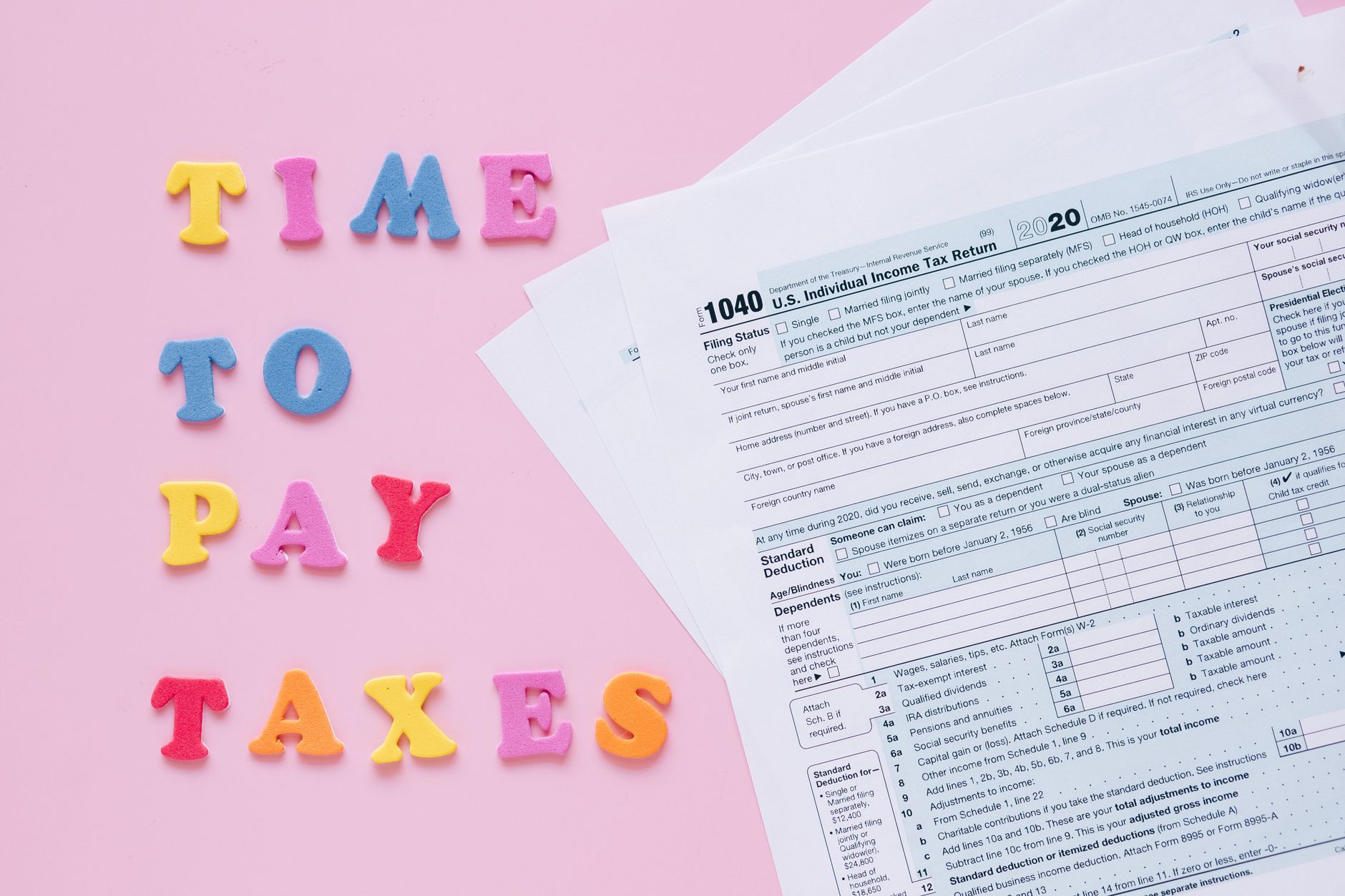
The IRS requires Form 8949 and Schedule D for all capital gains and losses. You must report every disposal, including crypto-to-crypto trades, payments, and gifts above the annual exclusion. The IRS also expanded Form 1099-DA reporting requirements. Starting in 2026, brokers and exchanges must report gross proceeds and cost basis for crypto transactions. This mirrors the existing stock reporting framework.
Third-party platforms like Coinbase and Kraken now send these forms directly to the IRS. The agency uses this data to match against your return. Discrepancies trigger audits. The IRS criminal investigation division has also increased crypto-related enforcement. For 2026, the reporting threshold for third-party settlement organizations dropped to $600. That means most traders will receive a 1099 form. If you trade on multiple exchanges, consolidate your records early. The best crypto exchanges for 2026 list includes platforms with robust tax reporting tools.
- Form 8949 required for every crypto disposal
- Schedule D summarizes total gains and losses
- Form 1099-DA issued by brokers for crypto transactions
- Third-party settlement threshold lowered to $600
How US Rates Compare to Canada in 2026
Canada and the US take different approaches to crypto taxation. The CRA does not have separate short-term and long-term rates. Instead, Canada applies a 50% inclusion rate on capital gains. That means only half of your gain is added to your taxable income. The other half is tax-free. For a Canadian in the top bracket of 33%, the effective tax rate on capital gains is 16.5%. For US traders in the top bracket, long-term gains face 20% plus the 3.8% NIIT, totaling 23.8%.
US short-term gains are taxed far more heavily. A high-income US trader could pay 37% on short-term gains. A Canadian trader in the same income bracket pays roughly 16.5% on capital gains, regardless of holding period. However, Canada taxes crypto profits from business activity as fully taxable income. The CRA distinguishes between investing and trading as a business. For a detailed look at the Canadian side, visit the CRA digital currency page. US traders should also track cost basis carefully. The IRS requires specific identification or FIFO methods. Canada allows adjusted cost base averaging. These differences matter if you trade across borders.
- US long-term top rate: 23.8% including NIIT
- Canada top effective capital gains rate: ~16.5%
- US short-term top rate: 37%
- Canada uses 50% inclusion rate, no holding period distinction
Frequently Asked Questions
What is the long-term capital gains rate for crypto in 2026?
The long-term rate is 0%, 15%, or 20% depending on your taxable income. Single filers pay 0% up to $48,350, 15% up to $533,400, and 20% above that.
Do I need to report crypto-to-crypto trades to the IRS?
Yes. The IRS treats crypto-to-crypto trades as taxable disposals. You must report the fair market value of the asset received and the cost basis of the asset given up.
What is the short-term capital gains tax rate for crypto?
Short-term gains are taxed as ordinary income at rates from 10% to 37%, depending on your tax bracket. The 37% rate applies to single filers above $626,350 of taxable income.
What form do I use to report crypto gains?
You use Form 8949 to list each transaction and Schedule D to summarize your total gains and losses. Your exchange may also issue Form 1099-DA.
Does the 3.8% Net Investment Income Tax apply to crypto gains?
Yes. The NIIT applies to investment income, including crypto capital gains, for taxpayers with modified adjusted gross income above $200,000 (single) or $250,000 (married filing jointly).
What Should You Remember?
- Long-term rates: 0%, 15%, or 20% depending on income. Hold crypto over 12 months to qualify.
- Short-term rates: Ordinary income brackets up to 37%. Avoid frequent trading to reduce tax burden.
- Form 8949: Required for every disposal. Track all transactions, including crypto-to-crypto trades.
- 1099-DA reporting: Brokers must report crypto transactions to the IRS starting in 2026.
- NIIT applies: Add 3.8% on top of capital gains above $200k single or $250k joint.
- Canada comparison: Canadian traders face a 50% inclusion rate, often lower than US rates.
Disclaimer: This article is for informational purposes only and does not constitute financial or tax advice.