
Canadian crypto traders face a clear set of rules from the Canada Revenue Agency (CRA). The agency treats digital assets as commodities, not currency. That means every trade, sale, or disposal triggers a taxable event. The CRA’s official cryptocurrency guide outlines the full framework. You report gains and losses on Schedule 3 of your T1 return.
The core rule is simple: 50% of your capital gains are taxable. This inclusion rate has held steady for individuals since 2000. But the actual tax you pay depends on your total income and province. For a deeper comparison of how crypto stacks up against other assets, see our crypto vs stocks investing comparison. Understanding the numbers before you trade can save you thousands at filing time.
| Province | Top Marginal Rate | Effective Top Crypto Tax Rate | Basic Personal Amount (2025) | Capital Gains Inclusion Rate |
|---|---|---|---|---|
| Ontario | 53.53% | 26.77% | $12,582 | 50% |
| Quebec | 53.31% | 26.66% | $18,056 | 50% |
| British Columbia | 53.50% | 26.75% | $13,456 | 50% |
| Alberta | 48.00% | 24.00% | $21,885 | 50% |
| Nova Scotia | 54.00% | 27.00% | $11,481 | 50% |
| Manitoba | 50.40% | 25.20% | $10,855 | 50% |
| Saskatchewan | 53.50% | 26.75% | $17,661 | 50% |
| New Brunswick | 53.30% | 26.65% | $12,858 | 50% |
Rates based on 2025 tax year data from CRA and provincial finance departments. Effective crypto tax rate = top marginal rate × 50% inclusion rate. Basic personal amounts vary by province.
How the 50% Capital Gains Inclusion Rate Works
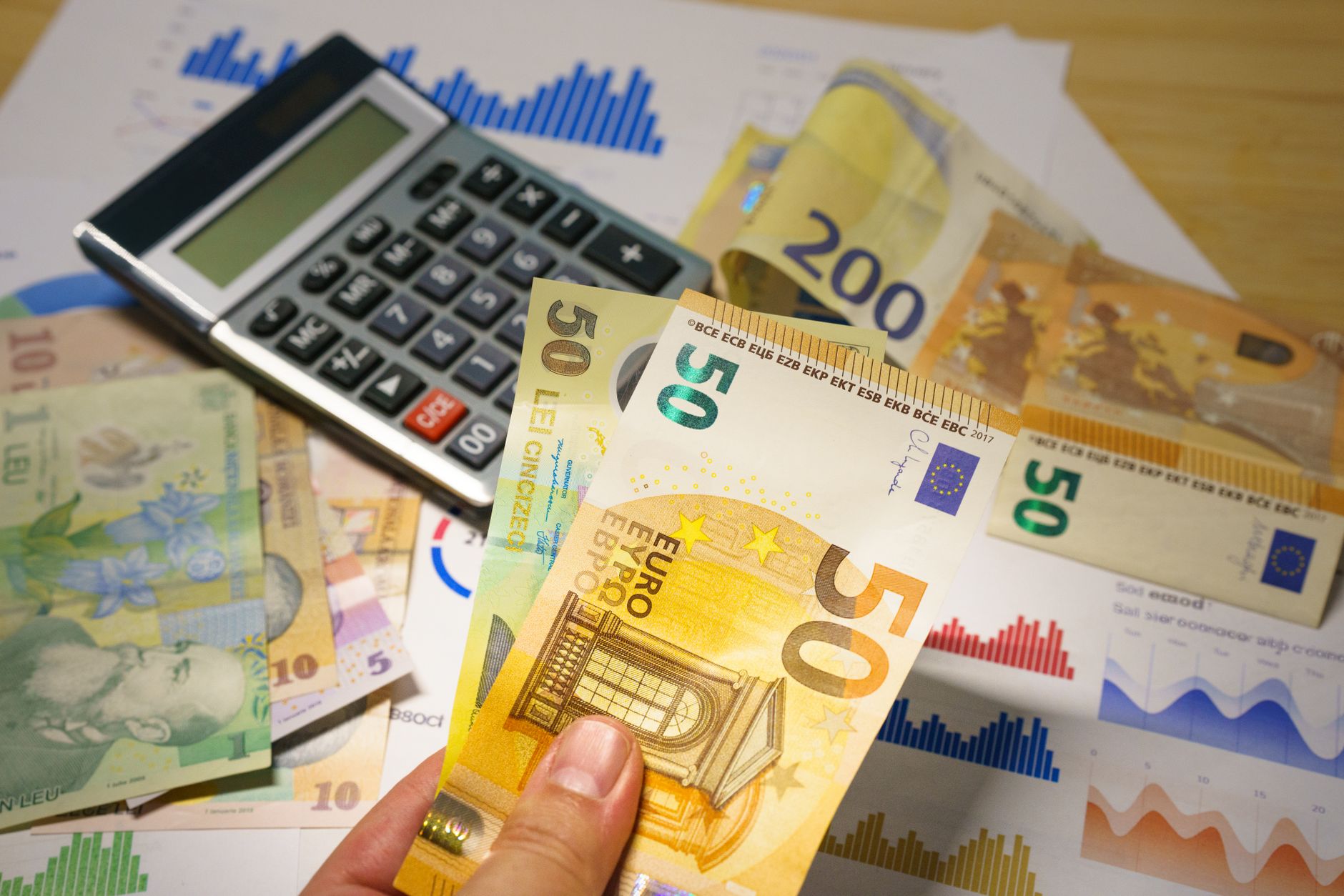
The CRA applies a 50% inclusion rate to capital gains for individuals. This means only half of your profit gets added to your taxable income. For example, if you bought Bitcoin at $30,000 and sold at $50,000, your gain is $20,000. You add $10,000 to your income for the year. This $10,000 is taxed at your marginal rate.
This rate applies to all crypto assets including Bitcoin, Ethereum, and altcoins. The CRA digital currency page confirms that crypto dispositions follow standard capital gains rules. You must report every trade, even crypto-to-crypto swaps. The CRA treats these as a sale and repurchase at fair market value.
Your actual tax bill depends on your income bracket. A trader earning $60,000 in Ontario pays about 29.65% on the taxable portion. A high earner at $250,000 pays 53.53%. The gap is significant. For a detailed breakdown of how crypto compares to traditional investments, check our crypto vs stocks investing comparison.
- 50% inclusion rate applies to all capital gains for individuals
- Crypto-to-crypto trades are taxable events
- Losses can offset gains in the same year
- Unused losses carry back 3 years or forward indefinitely
Provincial Tax Rates and Their Impact on Crypto Gains
Your province determines how much of your crypto gains you keep. Alberta offers the lowest top marginal rate at 48%. Nova Scotia has the highest at 54%. The difference matters for large gains. A $100,000 gain in Alberta costs $24,000 in tax at the top rate. The same gain in Nova Scotia costs $27,000.
Quebec has a unique advantage with its higher basic personal amount of $18,056. This means more of your income escapes tax entirely. British Columbia and Ontario sit close together at 53.50% and 53.53% respectively. These provinces also have additional surtaxes on high incomes.
When planning your trades, consider your province’s rates. Selling assets in a low-income year can reduce your tax burden significantly. The CRA capital gains page provides the official line-by-line instructions. For a broader view of where to trade, see our best crypto exchanges 2026 guide.
- Alberta: lowest top rate at 48%, effective 24% on gains
- Nova Scotia: highest top rate at 54%, effective 27%
- Quebec: highest basic personal amount at $18,056
- Ontario and BC: nearly identical top rates around 53.5%
Reporting Requirements and Filing Deadlines for 2026

The CRA requires all crypto transactions reported on Schedule 3. You must list each disposal separately. This includes sales, trades, and using crypto to buy goods or services. The deadline for the 2025 tax year is April 30, 2026. Self-employed individuals have until June 15, 2026, but any balance owing is due April 30.
You need accurate records of every transaction. The CRA recommends keeping the date, value in Canadian dollars, and the counterparty for each trade. Use a reputable source for fair market value. CoinGecko and CoinMarketCap provide historical price data. TradingView pricing offers advanced charting tools for tracking your entries and exits.
Failure to report can trigger penalties. The CRA charges 5% of the balance owing plus 1% per month on late filings. For repeat offenders, the penalty doubles to 10%. The CRA also has access to exchange data through information-sharing agreements. For US comparison, see our crypto taxes USA 2026 IRS capital gains reporting rates article.
- Filing deadline: April 30, 2026 for most taxpayers
- Self-employed deadline: June 15, 2026
- Penalty for late filing: 5% plus 1% per month
- CRA can access exchange transaction data
Frequently Asked Questions
What is the capital gains inclusion rate for crypto in Canada?
The inclusion rate is 50% for individuals. This means only half of your capital gains are added to your taxable income. The rate has been consistent since 2000.
Do I need to report crypto-to-crypto trades to the CRA?
Yes. The CRA treats crypto-to-crypto trades as a sale and repurchase. You must report the fair market value at the time of the trade and calculate any gain or loss.
Can I deduct crypto trading losses from my taxes?
Yes. Capital losses can offset capital gains in the same year. Unused losses can be carried back 3 years or carried forward indefinitely.
What happens if I don't report my crypto gains to the CRA?
The CRA charges a late filing penalty of 5% of the balance owing plus 1% per month. Repeat offenders face a 10% penalty. The CRA can also access exchange data through information-sharing agreements.
Are there different rules for crypto mining income?
Yes. Mining income is treated as business income, not capital gains. You must report the fair market value of mined coins as income on the day you receive them.
What Should You Remember?
- 50% inclusion rate: Only half of your crypto capital gains are taxable in Canada.
- Provincial variance: Your tax rate ranges from 24% in Alberta to 27% in Nova Scotia at top income levels.
- Report everything: Every trade, sale, and disposal must be reported on Schedule 3.
- Losses help: Capital losses offset gains and can be carried forward indefinitely.
- Deadline matters: File by April 30, 2026 to avoid penalties of 5% plus 1% per month.
- Keep records: Track dates, values in CAD, and counterparties for every transaction.
Disclaimer: This article is for informational purposes only and does not constitute financial or tax advice.