Crypto Portfolio Tracker Apps 2026: Best Tools to Track Your Holdings

TL;DR: The best crypto portfolio tracker in 2026 depends on your needs: CoinGecko is the best free all-rounder with live prices, portfolio tracking, and no account required for basic use; CoinMarketCap offers a slick, beginner-friendly app with a robust watchlist and portfolio tool; Delta is the premium choice for serious multi-exchange investors who want granular cost-basis tracking and syncing; CoinTracker is the best pick if tax season matters more than daily tracking, with seamless exchange imports and gain/loss reporting; and Koinly is the strongest dedicated crypto-tax tool if reporting is your top priority. A rule that applies across the board: always track the actual quantity of each coin at each cost basis, not just total portfolio value — that data is what keeps your tax filing accurate and your strategy honest. ...

August 8, 2026 · 8 min · Jarrod Gravison

What Are Crypto Airdrops? How to Find and Claim Free Tokens Safely

TL;DR: A crypto airdrop is a free distribution of new tokens to wallet addresses that meet certain criteria — usually to reward early users, bootstrap a network, or build community. Legitimate airdrops of 2026 reward on-chain activity: trading on a new protocol, providing liquidity, testing a testnet, or holding a related token. You find them by tracking official project Twitter/X accounts, blogs, and airdrop aggregator sites — and crucially, you never pay to claim and your wallet seed phrase is never required. The #1 danger is the flood of fake “claim” sites that drain wallets via malicious approvals. The safe path is: qualify through real usage, wait for official announcements, and interact only through verified domains listed on the project’s official site. ...

August 8, 2026 · 9 min · Jarrod Gravison
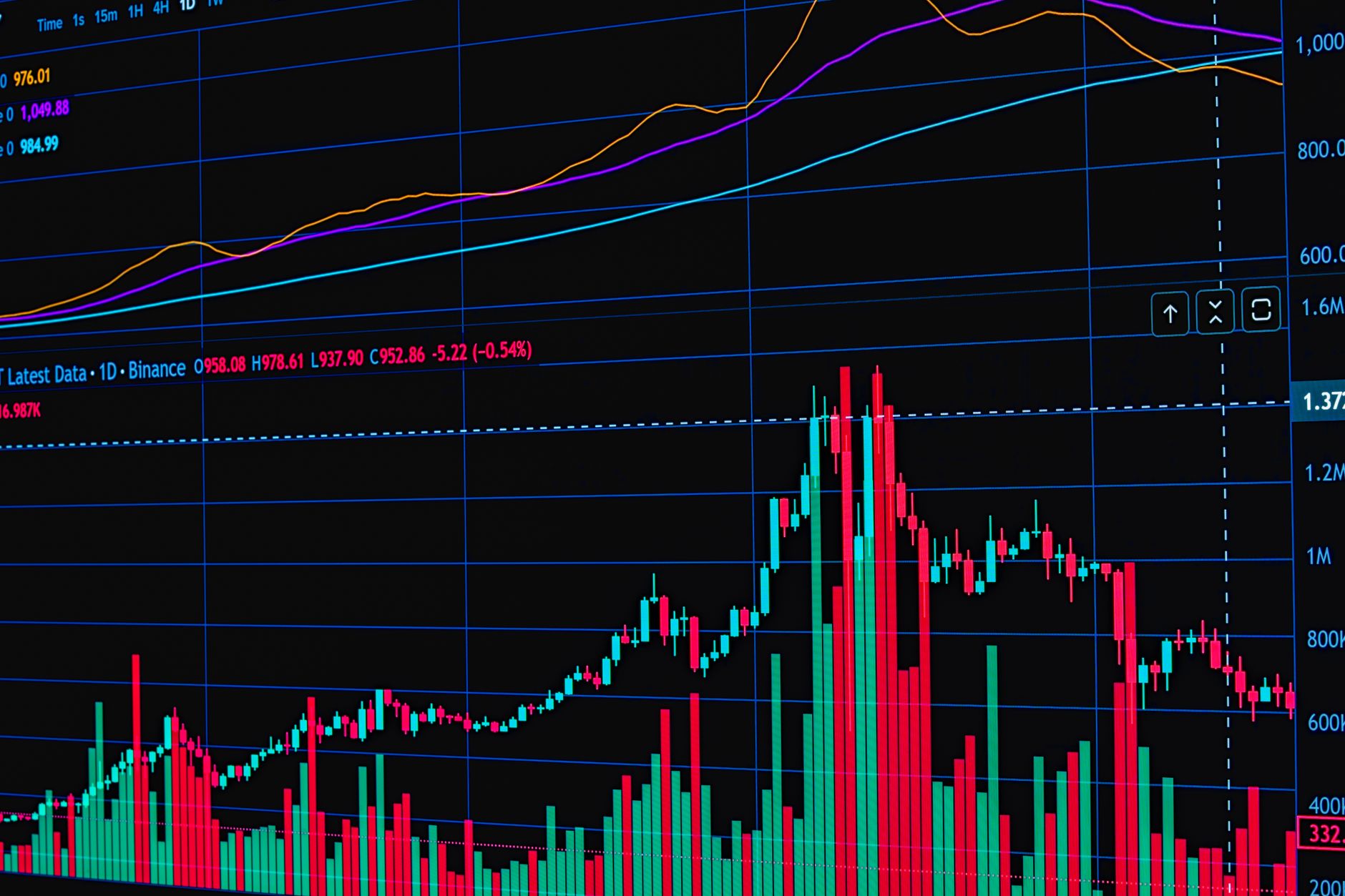
Comparison of crypto coins and stock market charts.

Crypto vs Stocks 2026: Volatility, Hours, Regulation, Returns

Quick Answer: Crypto and stocks differ in four big ways: volatility (crypto swings far more), trading hours (crypto is 24/7, stocks are exchange-hours), regulation (stocks are heavily regulated, crypto partially), and returns (crypto has had higher upside and deeper drawdowns historically). Neither is “better” — they serve different roles. Many investors hold both: stocks for stability and crypto as a small, higher-risk allocation. Crypto and stock markets are fundamentally different animals. Understanding those differences helps you decide how (and whether) to allocate. This is a comparison guide, not financial advice. ...

August 5, 2026 · 10 min · Jarrod Gravison