Quick Answer
Meme coins like DOGE, PEPE, WIF, and BONK are highly speculative tokens driven by hype and community sentiment rather than fundamentals. They can surge massively — and crash just as fast. If you trade them, use only a small amount you can afford to lose entirely, buy on reputable exchanges, and have an exit plan. Never invest real savings in meme coins, and treat any anonymous project promising guaranteed returns as a likely scam. 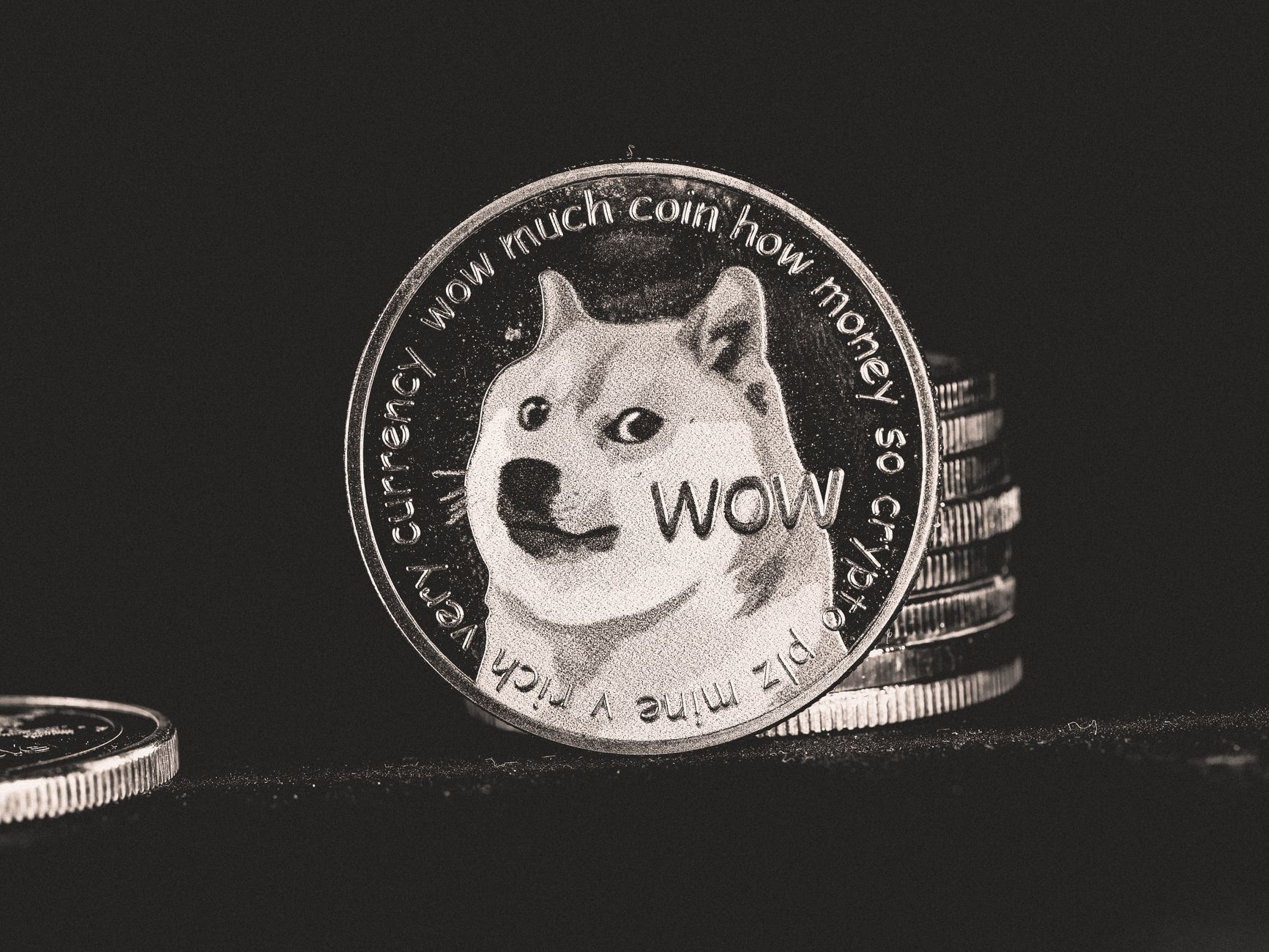

Meet the Big Meme Coins
| Coin | Launched | Ecosystem | Known For | Risk Level |
|---|---|---|---|---|
| DOGE (Dogecoin) | 2013 | Its own chain | First & largest meme coin; originated as a joke | High |
| PEPE (Pepe) | 2023 | Ethereum | Frog meme; huge 2023-24 run | Very high |
| WIF (dogwifhat) | 2023 | Solana | Dog-with-a-hat meme | Very high |
| BONK (Bonk) | 2022 | Solana | First big Solana meme coin | Very high |
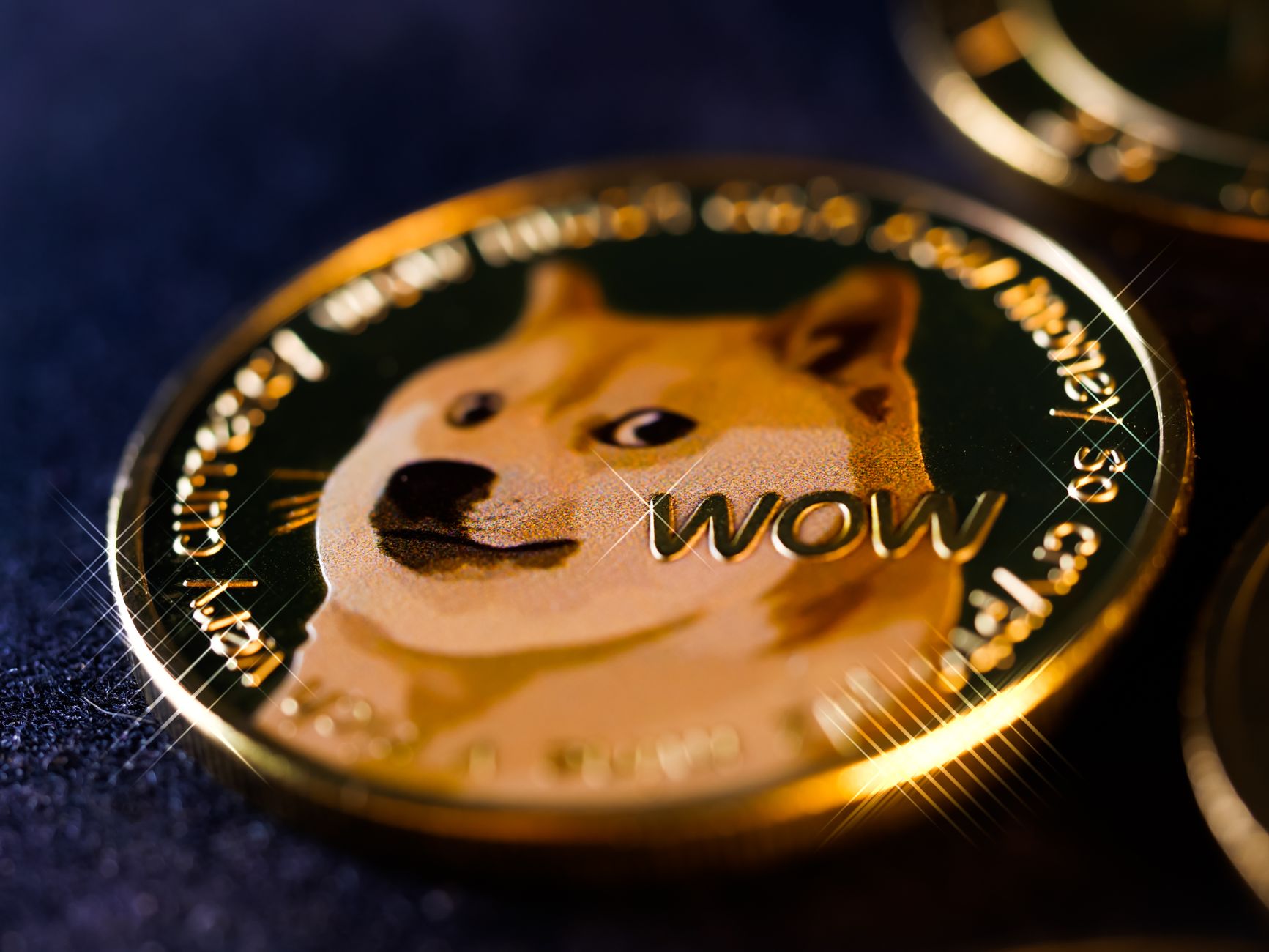
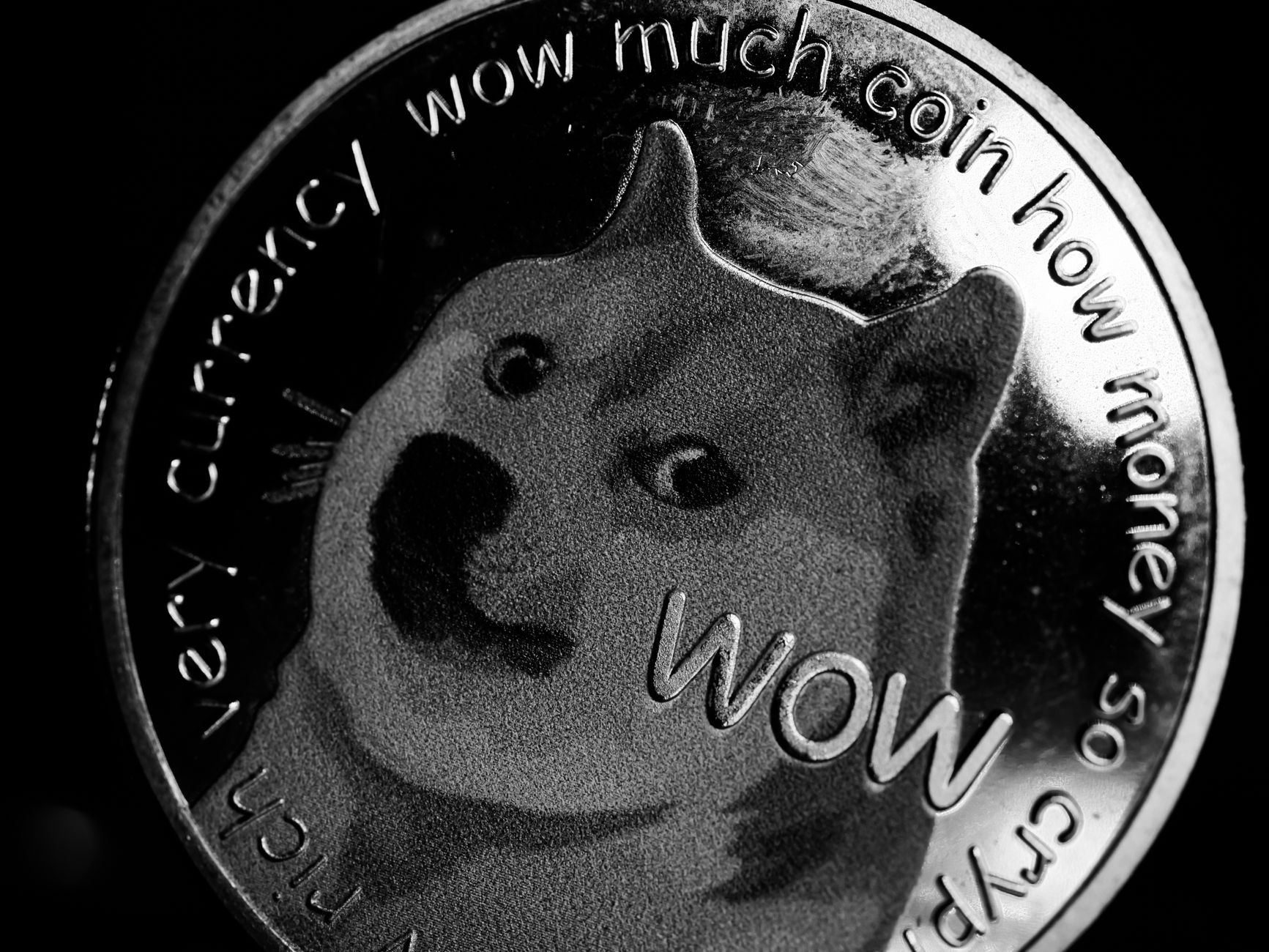
Dogecoin launched in December 2013 as a parody of the crypto boom, featuring the face of a Shiba Inu from the “Doge” meme. It began with no roadmap and no serious backers — a literal joke coin. Over a decade later it is still the largest meme coin by market capitalization and one of the most liquid cryptocurrencies on Earth. - Market cap: typically in the tens of billions, making it regularly a top-10 cryptocurrency. - Supply: uncapped — new DOGE are minted continuously (roughly 10,000 per block in the current era), so new coins are created every minute. - Community size: among the largest in crypto, underpinned by long-running social media enthusiasm, an active subreddit, and recurring “Doge Day” (April 20) events. - Why it matters: DOGE has been accepted by retailers, used for tips, and has survived for over a decade — staying power no new meme coin can claim. Its largest rallies have historically been tied to celebrity attention and retail FOMO, most famously the 2021 run. That history is why many traders treat DOGE as the “blue chip” of meme coins — a risky one, but the most liquid and least likely to be a total scam. ### PEPE — The Frog That Ignited the Ethereum Meme Mania
PEPE launched in April 2023 as an homage to the Pepe the Frog internet meme, which predates crypto entirely. Unlike DOGE’s own chain, PEPE runs on Ethereum, meaning it’s governed by a smart contract and paired with ETH on decentralized exchanges like Uniswap. - Market cap: peaked deep into the multi-billion range during the 2023–24 cycle, making it the defining Ethereum meme coin of that era. - Supply & tokenomics: a fixed, massive total supply with a large share burned and redistributed over time; no minting mechanism. - Community: a highly active ecosystem spread across X (Twitter), Telegram, and Reddit that routinely trends around market moves. PEPE’s run introduced thousands of retail traders to the idea that an on-chain meme token could be treated like a lottery ticket. That visibility made it a template for countless copycats — most of which failed. ### WIF (dogwifhat) — The Solana Sensation
Launched late 2023 on Solana, WIF (dogwifhat) features a Shiba Inu wearing a knitted beanie hat. It rode a ferocious wave of Solana-based meme mania in early 2024 and became one of the highest-multiple gainers in the category, briefly reaching a multi-billion-dollar market cap. - Market cap: peaked well into the billions, a standout for a token only months old at the time. - Community: an aggressive, coordinated community famed for crowdfunding stunts (including a failed attempt to put the hat on a Las Vegas sphere). - Trading environment: accessed primarily via Solana DEXs like Jupiter or a growing number of major exchange listings. WIF is a vivid example of how quickly a Solana meme coin can go from “unknown” to “household name in crypto” — and how rotational the sector can be. ### BONK — The Original Solana Meme Coin
BONK launched in December 2022 as Solana’s first sustained meme-coin breakout, at a moment when Solana’s ecosystem was rebuilding confidence after the FTX collapse. Its early airdrop to Solana users fueled a loyal base. - Market cap: scaled into the billions during the early 2024 rally and has stayed among the top Solana meme coins. - Supply: a very large fixed supply; a portion is periodically burned. - Community: deeply tied to Solana culture, with ongoing loyalty programs and integrations across Solana DeFi and gaming. Unlike many newer tokens, BONK has developed real ecosystem surface area — exchange listings, wallet integrations, and utility within Solana apps — which makes it slightly more robust than an anonymous presale token. —
Why Meme Coins Rally (and Why They Crash)
What drives them down:
- No fundamentals — there’s no revenue or product to justify price
- Dumps — early holders/whales sell into the hype
- Regulatory crackdowns on some tokens
- Sentiment reversals can unwind an entire run in days
Meme coins are sometimes defended as “community tokens,” but it is worth drawing a sharp line between them and assets with actual products. The table below summarizes how the two categories compare in practice. | Factor | Meme Coin | Utility Token | |—|—|—| | Primary driver | Hype, sentiment, virality | Product usage, demand for the service | | Intrinsic value | Essentially none | Tied to platform/protocol adoption | | Revenue or product | Usually none | Often a working product or fee stream | | Community role | The product itself is the meme | Supports the product/protocol | | Downside floor | Near zero — can fade completely | Usually has some fundamental support | | Typical target | Short-term momentum trades | Medium/long-term adoption | | Example | DOGE, PEPE, WIF, BONK | Network tokens, DeFi protocols, etc. |
Horror Stories: What History Teaches Us
The SQUID token collapse (2021). Tied to a “Squid Game” theme, SQUID launched on Binance Smart Chain and ran up thousands of percent — while the developers disabled selling in the contract. When holders finally saw a window to sell, the price collapsed and the team vanished with liquidity. It was a textbook rug pull dressed up as a viral theme, and it destroyed the money of anyone who bought late and couldn’t exit. Lesson: if you can’t sell what you hold, you don’t actually own anything of value. The HAWK tuah launch (2024). A celebrity-linked token exploded within hours of launch, briefly reached nine figures in market cap, then collapsed almost as fast as it rose, wiping out most buyers. The episode underscored that even a token with huge social reach can dump in minutes when insiders and early buyers sell into the hype. Lesson: a coin’s virality is worthless if the people distributing it are profit-taking at your expense. These aren’t isolated events — they are the normal shape of failure in this market. Anchoring your expectations to them is the single most important mental model you can bring to meme coins. —
Before touching any token you haven’t already studied, run it through a basic diligence checklist. This applies even to coins already listed on major exchanges — and is absolutely essential for anything you find only on a DEX. ### Tools worth learning
- ❌ Anonymous or unverifiable developers with no public history. - ❌ “Guaranteed” returns or marketing that promises riches. - ❌ Contract features that block selling (honeypots) or let the deployer mint freely. - ❌ A tiny, highly-concentrated holder base — a few wallets owning most of the supply can dump at will. - ❌ No real DEX or exchange liquidity — a token you can buy but struggle to sell. - ❌ Paid shilling — coordinated spam, bots, or influencers being paid with no disclosure. - ❌ Presales asking for direct wallet payment — a favorite rug-pull structure. If a token hits any of these flags, treat it as a scam until proven otherwise. If it hits several, move on — there will always be another meme coin. —
How to Trade Meme Coins Responsibly (If You Choose To)
- ✅ Risk only money you can afford to lose 100% — treat it as gambling, not investing. - ✅ Use reputable venues: established exchanges or trusted DEXs (Jupiter on Solana, Uniswap for PEPE). Avoid random unknown sites. - ✅ Have an exit plan before you buy (e.g., “sell 50% at 2x, stop-loss at 20% down”). - ✅ Take profits on the way up — don’t wait for “the moon.”
- ✅ Small position size — a meme-coin position should be a tiny slice of your portfolio. ### Questionable (avoid):
- ❌ Aping into every trending token
- ❌ Using leverage on meme coins (see futures risks)
- ❌ Holding a meme coin position without a stop-loss or sell target
- ❌ Sending money to anonymous people/“presales”
A Simple Meme Coin Exit Strategy
FAQ
Is it worth buying meme coins? Only with money you can fully afford to lose, and only as a small speculative slice. Meme coins have no fundamentals — most fail. They can produce huge gains but the odds of a big winner are low and the risk of total loss is real. Never invest savings. ### What's the safest way to buy meme coins? Use a **reputable, regulated exchange** ([Coinbase/Kraken](/articles/best-crypto-exchanges-usa) in the US, [Newton/NDAX](/articles/best-crypto-exchanges-canada) in Canada) which lists DOGE/PEPE, or a trusted DEX like **Jupiter** (Solana) for WIF/BONK. Avoid unknown sites, presales, and "guaranteed gain" pitches. ### How do I know if a meme coin is a scam? Look for **red flags**: anonymous developers, guaranteed returns, paid shilling, no real exchange listing, illiquidity, or a website demanding personal info/payments. If a coin's story is "you'll get rich," treat it as a likely rug pull or pump-and-dump. Tools like DexScreener, Birdeye, and contract scanners can validate holders, liquidity, and contract safety before you buy. ### Why is Dogecoin different from other meme coins? **DOGE** is the oldest and largest meme coin, with far more liquidity, exchange listings, and longevity than newer ones. It's still extremely volatile, but it has an established community and history that most meme coins lack — that's a real difference, though not a safety guarantee. ### Should I use leverage on meme coins? **Absolutely not.** Combining meme-coin volatility with [futures leverage](/articles/crypto-futures-trading) is a near-certain path to losing everything quickly. ### Do I owe taxes on meme coin profits? Yes. Profits from selling meme coins are taxable capital gains in the US ([guide](/articles/crypto-taxes-usa)) and Canada ([guide](/articles/crypto-taxes-canada)) like any crypto. > ⚠️ **Disclaimer:** Informational only, not financial advice. Meme coins are extreme-risk, highly speculative assets, and most lose value. Never invest money you can't afford to lose. This site is affiliate-supported. *Disclaimer: This article is for informational purposes only and does not constitute financial advice.*
The Bottom Line
This guide covers what you need to know. Check our related articles for deeper dives into specific topics.