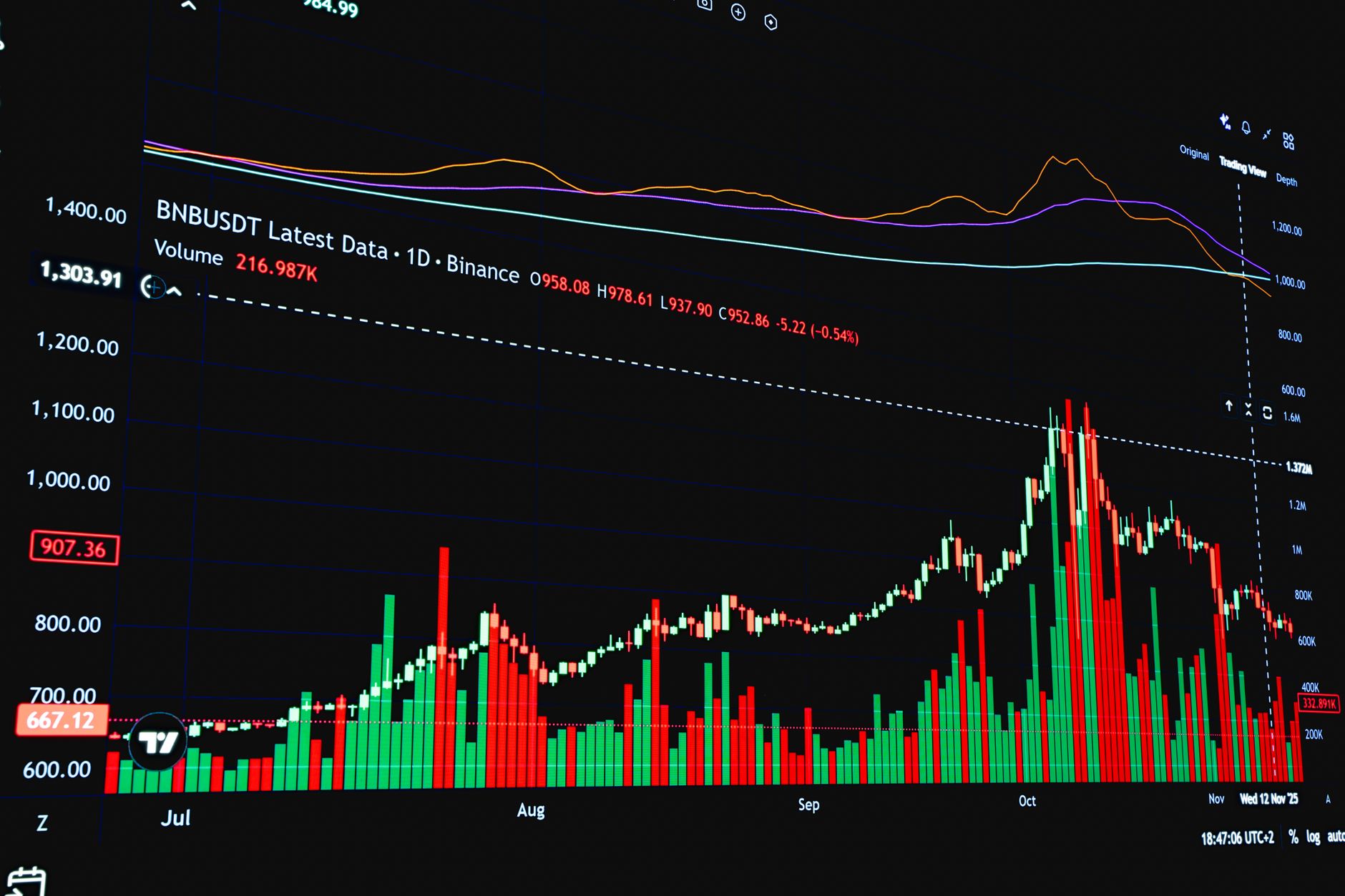
The altcoin market in 2026 is a different beast than it was even two years ago. Thousands of tokens now trade across dozens of platforms, and the gap between the biggest exchanges and the niche ones keeps widening. For Canadian traders, the challenge isn’t finding altcoins. It’s finding an exchange that actually works for you, with fair fees, solid security, and access to the coins you actually want to trade.
Let’s be blunt: no single exchange does everything well. Binance has the deepest altcoin selection, but it pulled out of Ontario and now operates in Canada through a separate entity. Kraken is rock solid but lists fewer obscure gems. Bybit is a derivatives powerhouse, yet its spot selection trails the leaders. You’ll likely need two or three platforms to cover all your bases, and that’s fine. Smart traders do it all the time.
Here’s the thing about altcoin trading in Canada: taxes don’t care which exchange you use. The CRA’s cryptocurrency guide makes it clear that every disposal, including trading one altcoin for another, is a taxable event. That means you need to track your trades carefully, no matter where you buy. A good portfolio tracker and tax software will save you from a headache come April.
We tested and compared the top exchanges based on altcoin selection, fees, security, and Canadian accessibility. We also looked at liquidity, withdrawal options, and how easy it is to get your coins off the platform and into a hardware wallet. The rankings below reflect what actually matters for altcoin traders in 2026, not just marketing hype. Let’s get into it.
How Do the Top Options Compare?
| Exchange | Best For | Altcoin Count | Spot Fees | Security |
|---|---|---|---|---|
| Binance | Selection & Liquidity | 1,200+ | 0.1% | High, but regulatory concerns |
| Kraken | Security & Trust | 300+ | 0.16% - 0.26% | Excellent |
| Bybit | Derivatives & Futures | 600+ | 0.1% | High |
| Coinbase | Beginners | 250+ | 0.6% - 1.5% | High, but expensive |
| MEXC | Early Listings | 2,000+ | 0.05% | Moderate, lesser-known |
| KuCoin | Low Fees | 700+ | 0.1% | Moderate, unregulated |
Fees are based on standard spot trading tiers as of early 2026. Altcoin counts are approximate and change frequently. Always check the exchange’s current listings before committing.
1. Binance , Best for Altcoin Selection & Liquidity
Binance is still the king when it comes to altcoin variety. With over 1,200 listed tokens, it covers everything from Bitcoin to obscure DeFi projects you’ve never heard of. The liquidity on major altcoin pairs is unmatched, which means tighter spreads and faster fills. For active traders, that’s a big deal.
Key strengths:
- ✅ Massive altcoin selection with high liquidity
- ✅ Low spot trading fees at 0.1%
- ✅ Advanced trading features like margin and futures
- ✅ Binance Earn lets you stake many altcoins
- ✅ Strong mobile app with charting tools
- ❌ Not fully regulated in Canada; requires workarounds
- ❌ Withdrawal fees can be higher than competitors
- ❌ Interface can be overwhelming for beginners
Who it’s for: Active traders who want maximum altcoin variety and liquidity, and are comfortable navigating a complex platform.
2. Kraken , Best for Security & Trust
Kraken has been around since 2011 and has never been hacked. That’s a track record few exchanges can match. It lists over 300 altcoins, including all the majors and a healthy selection of mid-caps. The platform is fully regulated in Canada, which gives you peace of mind when moving larger amounts of money.
Key strengths:
- ✅ Excellent security record with no major hacks
- ✅ Regulated in Canada with CAD funding options
- ✅ Competitive fees starting at 0.16%
- ✅ Strong staking options for popular altcoins
- ✅ Transparent fee structure with no hidden costs
- ❌ Fewer altcoins than Binance or MEXC
- ❌ Advanced interface feels dated compared to rivals
- ❌ Some withdrawal delays during peak times
Who it’s for: Traders who prioritize safety and regulatory compliance over having access to every obscure token.
3. Bybit , Best for Altcoin Derivatives & Futures
If you want to trade altcoin futures with leverage, Bybit is hard to beat. It offers perpetual contracts on hundreds of altcoins with leverage up to 100x. The platform is fast, the interface is clean, and the fees are competitive at 0.1% for spot and even lower for makers on derivatives.
Key strengths:
- ✅ Deep derivatives market with 100x leverage
- ✅ Fast execution and reliable uptime
- ✅ Competitive fees with maker rebates
- ✅ Supports 600+ altcoin spot pairs
- ✅ Good mobile trading app
- ❌ Not regulated in Canada; use at your own risk
- ❌ Leverage trading can wipe out your account fast
- ❌ Spot selection is smaller than Binance
Who it’s for: Experienced traders who want to trade altcoin futures and are comfortable with high risk and leverage.
4. Coinbase , Best for Beginners
Coinbase is the easiest way to buy altcoins if you’re new to crypto. The interface is clean, the educational content is helpful, and you can fund your account with CAD directly. But that simplicity comes at a cost. Fees range from 0.6% to 1.5%, which adds up fast if you’re trading frequently.
Key strengths:
- ✅ Very user-friendly interface for beginners
- ✅ CAD funding via bank transfer or credit card
- ✅ Strong regulatory compliance in Canada
- ✅ Educational rewards for learning about altcoins
- ✅ Reliable mobile app
- ❌ High fees compared to competitors
- ❌ Limited altcoin selection at 250+
- ❌ Advanced trading features require Coinbase Advanced
Who it’s for: New traders who prioritize ease of use and regulatory safety over low fees and maximum altcoin selection.
5. MEXC , Best for Early Listings & Low Fees
MEXC is the go-to platform for finding new altcoins before they hit the big exchanges. It lists over 2,000 tokens, many of them tiny projects with huge potential. Spot fees are just 0.05%, making it one of the cheapest places to trade. The catch? Regulatory oversight is minimal, and you’re taking on more risk with unvetted projects.
Key strengths:
- ✅ Huge altcoin selection with 2,000+ tokens
- ✅ Very low trading fees at 0.05%
- ✅ Fast listing of new and trending coins
- ✅ No KYC for small trades
- ✅ Good for micro-cap hunting
- ❌ Less regulatory oversight than Kraken or Coinbase
- ❌ Higher risk of rug pulls and scams on new listings
- ❌ Customer support can be slow
Who it’s for: Speculative traders who want early access to new altcoins and are willing to accept higher risk.
6. KuCoin , Best for Low Fees & Altcoin Variety
KuCoin is a solid middle ground. It lists over 700 altcoins, has fees at 0.1%, and offers a range of trading tools. The platform has been around since 2017 and has a loyal following, especially among traders who want access to mid-cap gems. It’s not regulated in Canada, but it’s been reliable for years.
Key strengths:
- ✅ Low fees with KCS token discounts
- ✅ 700+ altcoin pairs including many mid-caps
- ✅ Good staking and lending options
- ✅ No KYC required for basic trading
- ✅ Strong community and support
- ❌ Not regulated in Canada
- ❌ Withdrawal fees vary by coin
- ❌ Occasional liquidity issues on smaller pairs
Who it’s for: Traders who want a balance of altcoin variety, low fees, and a platform that’s been battle-tested for years.
Funding Your Altcoin Trades in Canada
Getting CAD into an altcoin exchange can be a pain. Most major platforms don’t accept direct CAD deposits, so you’ll need to buy a stablecoin like USDT or USDC first, then transfer it to your exchange of choice. That adds a step but keeps fees low.
For direct CAD funding, Kraken and Coinbase are your best options. Both support Interac e-Transfer or bank wire, and Coinbase even allows credit card purchases. If you’re using Binance or Bybit, you’ll typically buy USDT on a Canadian-friendly platform like Newton or Shakepay, then transfer it over.
Watch out for network fees when moving stablecoins. An ERC-20 transfer can cost $5 to $20 depending on network congestion. Using TRC-20 or BEP-20 networks is much cheaper, but make sure your exchange supports those chains for withdrawals.
| Exchange | CAD Direct Deposit | Stablecoin Transfers | Recommended Funding Method |
|---|---|---|---|
| Binance | No | Yes (USDT, USDC) | Buy USDT on Newton, transfer via TRC-20 |
| Kraken | Yes (bank wire, Interac) | Yes | Direct bank transfer or Interac |
| Bybit | No | Yes (USDT, USDC) | Buy USDT on Newton, transfer via TRC-20 |
| Coinbase | Yes (bank, credit card) | Yes | Direct CAD deposit |
| MEXC | No | Yes (USDT) | Buy USDT, transfer via TRC-20 |
| KuCoin | No | Yes (USDT, USDC) | Buy USDT, transfer via TRC-20 |
Frequently Asked Questions
Which exchange has the most altcoins in 2026?
Binance and MEXC typically list the most altcoins, with over 1,000 and 2,000 tokens respectively. MEXC often adds new projects faster, while Binance has higher liquidity for established coins.
Are altcoin trades taxable in Canada?
Yes. The CRA treats crypto as a commodity, so every trade, including altcoin swaps, is a taxable event. You must report capital gains or losses on your tax return.
Can I buy altcoins with CAD directly?
Some exchanges like Kraken and Coinbase support CAD deposits via bank transfer or credit card. Others like Binance and Bybit require you to buy a stablecoin first, then trade for altcoins.
What's the safest exchange for altcoins?
Kraken is widely considered the safest major exchange due to its long track record and strong security practices. However, no exchange is risk-free, so consider a hardware wallet for long-term holdings.
Do altcoin exchanges charge different fees?
Yes. Spot trading fees range from 0.1% to 0.6% depending on the platform. MEXC and KuCoin offer discounts for using their native tokens, while Coinbase charges higher fees for simplicity.
What Should You Remember?
- Binance dominates altcoin selection with over 1,200 coins and deep liquidity, but you’ll need to use the global site since Binance left Canada’s regulated market.
- Kraken offers the best balance of security and altcoin variety, with 300+ tokens and a solid reputation among Canadian traders.
- Bybit is the go-to for altcoin derivatives and perpetual futures, with leverage up to 100x and competitive fees.
- Coinbase is beginner-friendly but charges high fees, making it better for small trades than high-volume altcoin strategies.
- MEXC and KuCoin list obscure tokens early, but both lack regulatory clarity, so keep your holdings there small.
- CRA rules apply to every altcoin trade, so track your cost basis and use tax software to avoid penalties.
- Hardware wallets are essential if you hold altcoins long-term. Exchanges are convenient, but not safe for large balances.
Disclaimer: This article is for informational purposes only and does not constitute financial or tax advice.