Crypto Arbitrage Trading Guide 2026: Cross-Exchange Opportunities and Risks

TL;DR: Crypto arbitrage is profiting from price differences for the same asset across markets. The main types in 2026: spatial arbitrage (buy on a cheap exchange, sell on a dear one), triangular arbitrage (cycling BTC→ETH→USDT→BTC within one venue), and funding-rate arbitrage / basis trading (collecting the funding fee in perpetual futures against a spot hedge). It sounds like free money, but the edge is thinner than beginners think. Dedicated bots have squeezed spatial and triangular spreads down to fractions of a percent — and trading fees eat them faster than the spread if you’re not on a low-fee or maker-only exchange. In 2026 the realistic, accessible plays are: (1) funding-rate arbitrage for patient capital in perps markets, and (2) slow/event-driven spatial arbitrage across venues with meaningful price divergences (new listings, exchange outages, airdrop tokens). Before you start: calculate fees and breakeven precisely, factor in transfer/settlement latency and withdrawal limits, always move only the amount you’re happy to lose transiently, and never treat a buggy bot you wrote yourself as trustworthy with your whole stack. ...

August 8, 2026 · 10 min · Jarrod Gravison

How to Set Stop-Loss and Take-Profit Orders in Crypto Trading

TL;DR: A stop-loss order automatically sells your position when price falls to a level you set, capping your downside. A take-profit order locks in gains by selling when price reaches your target. In crypto, the two most common are stop-limit (set a trigger price and a limit price to prevent slippage) and trailing stop (a stop that follows the price up and locks in profit if it reverses). The golden rules: never trade without a stop-loss on volatile leverage, size your position so a stop-loss hit costs at most 1–2% of your account, place stops below meaningful support (not round numbers), and account for crypto’s volatility — tight 1% stops on Bitcoin will get wicked out by normal noise. Set your stops on the exchange where you trade (not a mental note), and avoid “no stop-loss” habits even on positions you intend to hold long-term. ...

August 8, 2026 · 10 min · Jarrod Gravison
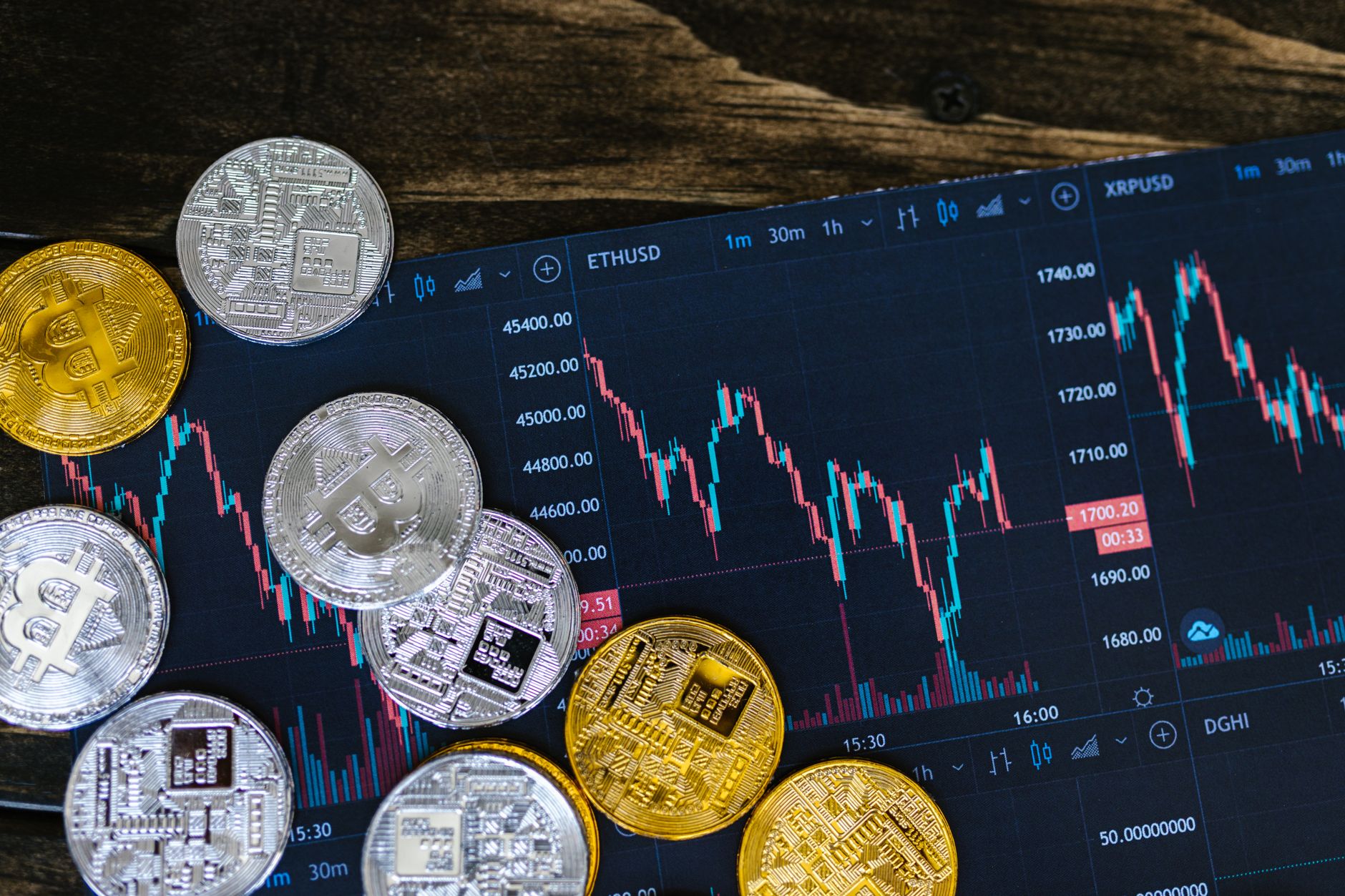
Live candlestick chart and trading terminal with indicators during a market session.

How to Day Trade Crypto: Complete 2026 Strategy Guide

Quick Answer: Day trading crypto in 2026 is brutally selective. The traders who survive use three core strategies — range trading (buy support, sell resistance), momentum/breakout trading (ride confirmed moves), and scalping off order-flow — each with a hard rule: never risk more than 1% of your account on a single trade, and always use a stop-loss. You’ll need a low-fee exchange (Binance, Bybit, or OKX at ~0.1% or less), a solid charting platform (TradingView), and a discipline that most people lack. Be brutally honest: the majority of day traders lose money. This guide teaches the professional structure, not the fantasy. Read the beginners’ trading guide first if you haven’t traded spot yet. ...

August 6, 2026 · 9 min · Jarrod Gravison